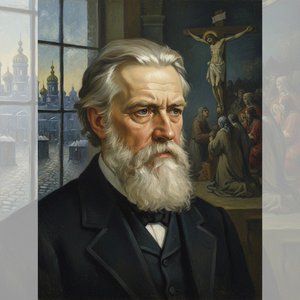
Edward Pearce Casey (1864–1940): A Visionary of Washington and Beyond
Edward Pearce Casey (June 18, 1864 – January 2, 1940) stands as a pivotal figure in the architectural landscape of late Victorian and early twentieth-century America. Born in Portland, Oregon, Casey’s artistic journey unfolded across continents, culminating in a distinguished career marked by innovative designs that shaped the urban fabric of Washington D.C., New York City, and beyond. While biographical details remain somewhat sparse compared to contemporaries like Beaux Arts luminaries, Casey's legacy persists through his enduring contributions to civic spaces and his distinctive stylistic approach—a blend of meticulous realism and subtle expressive qualities.
- Early Life & Education: Casey’s formative years instilled in him a profound appreciation for craftsmanship and geometric precision. Details regarding his formal education are limited, suggesting he honed his skills through self-directed study and apprenticeship under prominent architects of the era—likely influencing his stylistic sensibilities.
- Move to Washington D.C.: Casey’s relocation to Washington D.C. in 1893 marked a turning point in his career. He swiftly established himself as a respected designer, undertaking commissions for governmental buildings and civic institutions. His designs prioritized functionality alongside aesthetic grandeur, reflecting the ambitions of the burgeoning American capital.
- Notable Projects: Casey’s architectural achievements include the Beaux Arts Haskell Building at Howard University (1906), a testament to his mastery of classical forms and ornamentation; the Lincoln Memorial Reflecting Pool (completed 1932); and several prominent structures in Georgetown. These projects exemplify his commitment to creating spaces that honored history while anticipating the needs of future generations.
- Stylistic Characteristics: Casey’s artistic style is characterized by meticulous attention to detail—particularly in rendering textures and surfaces—combined with a restrained palette of colors. He favored geometric patterns and symmetrical compositions, mirroring the ideals of Beaux Arts architecture but imbued with a personal touch that conveyed warmth and dignity.
- Legacy & Influence: Though Casey’s output wasn't as prolific as some of his peers, his designs continue to resonate today. His commitment to civic responsibility and his ability to translate grand visions into tangible spaces cemented his place in architectural history—a quiet innovator who helped define the visual identity of two iconic American cities.
Casey’s work embodies a spirit of understated elegance—a deliberate contrast to the flamboyant excesses of other architects of his time. He sought not merely to construct buildings but to craft experiences, fostering connection and contemplation within spaces designed for public service. His enduring influence can be seen in subsequent generations of American architects who admired his dedication to craftsmanship and his unwavering belief in the power of design to elevate the human spirit.