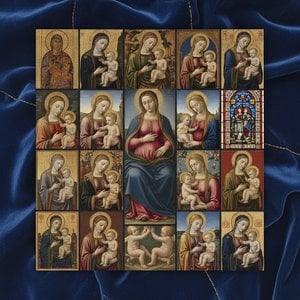
Francesco Conti: A Florentine Baroque Master Reflecting Inner Vision
Francesco Conti (1681 – 1760) stands as a pivotal figure within the vibrant artistic landscape of Florence during the Baroque era, embodying the spirit of dramatic realism and masterful chiaroscuro techniques—characteristics that would define his oeuvre for decades to come. His formative years were steeped in the tutelage of Giovanni Maria Morandi and Carlo Maratta – masters whose stylistic approaches profoundly shaped his own artistic vision, instilling a dedication to theatrical grandeur and emotional intensity.
Early Influences: Conti’s initial training under Morandi exposed him to the refined elegance of Roman Baroque painting, emphasizing idealized forms and balanced compositions. Simultaneously, Maratta's teachings championed theatrical grandeur and emotional intensity – elements that would become integral to Conti’s artistic sensibilities. This dual mentorship ensured he absorbed both classical ideals and baroque dynamism.
Florence & Patronage: Returning to Florence after his formative years in Rome, Conti secured invaluable support from the Riccardi family, who regularly commissioned him for monumental altarpieces and provided a stable income. This patronage allowed him to pursue his artistic endeavors with unwavering commitment and fostered collaborations that enriched Florentine art history. His meticulous attention to detail—a hallmark of Maratta’s influence—became synonymous with his distinctive style.
Dominant Technique: Mastering Chiaroscuro for Emotional Depth
Conti's signature technique involved layering paint with painstaking precision, creating textures that mirrored the grandeur and solemnity of his subjects. He skillfully manipulated light sources to sculpt forms and imbue canvases with an ethereal glow—a hallmark of Maratta’s influence. This masterful use of chiaroscuro wasn’t merely stylistic; it served as a conduit for conveying profound emotional states, reflecting the psychological complexities inherent in portraying human figures.
His approach prioritized capturing not just likeness but also inner character—a deliberate departure from earlier artistic conventions that favored idealized representations. Conti's canvases pulsated with life and emotion, demonstrating his mastery of Baroque artistry.
Religious Themes: Iconography Rooted in Spiritual Reflection
Conti dedicated his artistic energies primarily to religious iconography, producing a prolific output of altarpieces and devotional paintings that resonated deeply with audiences and cemented his reputation as one of Florence’s foremost Baroque artists. His depictions of saints and biblical narratives weren't simply decorative; they functioned as vehicles for conveying spiritual truths—a testament to the enduring power of art to inspire contemplation.
Notable works like ‘Madonna & Child with Saint Sylvester I, St. Paul and Saint Catherine of Alexandria’ exemplify his commitment to portraying sacred figures with dignity and compassion. These paintings stand as enduring symbols of faith and artistic excellence.
Legacy: An Artistic Voice Echoing Through Time
Francesco Conti's influence extends beyond his own creations—his students, including Anna Bacherini Piattoli, carried forward his stylistic innovations, ensuring that his legacy would continue to inspire generations of artists. His masterful technique and profound understanding of human emotion solidified his place as a cornerstone of Florentine Baroque art history.
Today, reproductions of Conti’s masterpieces—such as ‘Death of King Josiah’—remain treasured possessions for collectors and offer a glimpse into the artistic sensibilities of a bygone era. They serve as reminders that true artistry transcends time, capturing not only visual beauty but also the essence of human experience.



 Преглед в реален мащаб
 Поръчайте ръчно рисувано репродукция на този колекционерски предмет
 Сподели
 Сподели
 Подробности
 Ръководство

 Изтегляне
 Подобни артикули
 Рентгенова снимка
 Слайдшоу
 Статистика


 Разгърни целия текст






































 Опцията със стъкло е налична само за размери под 110 см