

Най-известната картина на Josef Thoma е Mediterranean landscape (1865). С A wooded landscape with woman walker (1879) и Mountain Torrent (1879) се допълват трите произведения, които всеки разпознава. Нашият каталог включва 16 произведения на Josef Thoma; 16-те по-долу са най-гледаните от света, всяко от тях с годината си, музея, в който се съхранява, и причината за неговата значимост.
Класирани според нашия коефициент за популярност, който съчетава търсенията, посещенията и поръчките за всяко произведение. Обновено Октомври 2026. Всяко шедьовър на тази страница може да бъде поръчано като маслено репродукция на ръка с музейно качество или като художествен принт, в избран от Вас размер.




Josef Thoma's "Landscape on the Bank of the Inn" offers a captivating glimpse into 19th-century Austrian rural life. The painting depicts two figures standing beneath the sheltering canopy…
Поръчайте репродукция от $181 →Музеят, който притежава най-голям брой от картините на тази страница.
| Музеи | Град | Творения на Josef Thoma | Картини от този списък |
|---|---|---|---|
 Баварски държавни списъци с произведения на изкуството |
Мюнхен | 1 | Waterfall in a Mountain Gorge |
От 1865 до 1879 кариерата на Josef Thoma обхваща 15 години – малко повече от десетилетие: ето я година по година, с най-известните картини за всяка от тях.


Mediterranean landscape (1865). Следват A wooded landscape with woman walker (1879) и Mountain Torrent (1879).
37 години: Mediterranean landscape е от 1865 г., а Josef Thoma е роден/а в 1828.
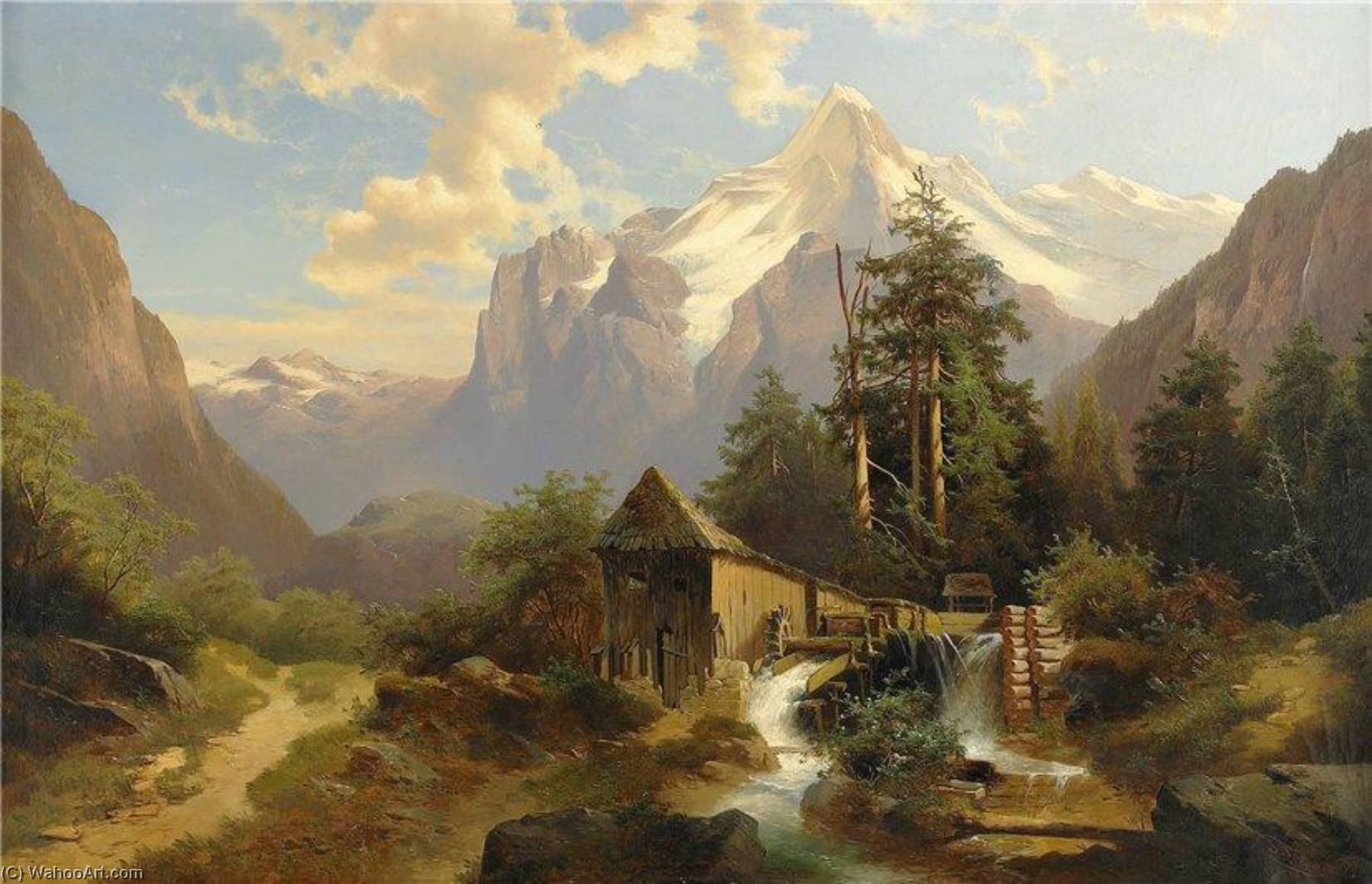
Mediterranean landscape, A wooded landscape with woman walker, Mountain Torrent, Waterfall in a Mountain Gorge, Mountain-landscape with river, Hunter by Mountain Lake, Landscape with Lake, Mountainous Landscape with Mill, Mountain Landscape и Farmhouse on the banks of the Chiemsee. Класацията по-горе посочва годината и музея на всяко от тях.
В нашия каталог са изброени 16 произведения на Josef Thoma, датирани от 1865 до 1879.
Повечето от тях се намират в Баварски държавни списъци с произведения на изкуството (Мюнхен). В горната таблица музеите са изброени един по един.
В 1879: 2 от 16 произведенията на тази страница са от този период, като сред тях са A wooded landscape with woman walker.
Най-старата творба на тази страница е от Mediterranean landscape (1865), а най-новата е от A wooded landscape with woman walker (1879).
Да. Всяка картина на тази страница може да бъде поръчана като ръчно рисувано маслено репродукция музейно качество или като художествен принт в избран от Вас размер, директно от страницата на съответната картина.
Born in the heart of Austria’s Tyrolean Alps, Josef Thoma (1828-1899) emerged as a pivotal figure in 19th-century landscape painting. More than simply depicting scenic vistas, Thoma crafted immersive worlds—idyllic scenes brimming with rustic charm and imbued with a subtle, almost mystical quality. His work, deeply rooted in the Romantic tradition yet subtly anticipating Impressionism, offers a poignant glimpse into the evolving relationship between art, nature, and the human spirit. Thoma’s legacy rests not just on his technical skill but also on his ability to evoke a profound sense of peace and nostalgia for a vanishing rural world.
Josef Thoma was born in 1828 into a family with strong artistic connections. His father, a skilled woodcarver, instilled in him an appreciation for craftsmanship and the beauty of natural materials. While details about his early formal training are somewhat sparse, it’s believed he initially studied under local artists before pursuing further education at the Academy of Fine Arts in Munich. This period exposed him to the prevailing artistic trends of the time, including the influence of Romanticism—particularly the emphasis on dramatic landscapes and emotional expression—and the burgeoning interest in depicting everyday life. Crucially, Thoma’s early work demonstrates a fascination with the Alps, a region that would become the defining subject of his career.
Thoma's artistic trajectory was significantly shaped by Jean-François Millet, whose depictions of rural laborers resonated deeply with the artist. Millet’s focus on the dignity and hardship of peasant life—often rendered in a strikingly realistic manner—provided Thoma with a model for portraying the simple virtues of rural communities. However, unlike Millet's often stark social commentary, Thoma’s landscapes are characterized by an almost idealized serenity. He skillfully captured the golden light of the Alps, transforming ordinary scenes into moments of profound beauty and tranquility. His paintings frequently feature humble dwellings nestled amongst towering peaks, shepherds tending their flocks, and villagers engaged in everyday activities—all presented with a remarkable sensitivity to detail and color.
Thoma’s technical mastery lies primarily in his ability to capture the ephemeral qualities of light and atmosphere. He meticulously observed how sunlight filtered through the mountain peaks, casting long shadows and creating a sense of depth and perspective. His palette is predominantly muted—a blend of browns, greens, and blues—that perfectly reflects the colors of the Alpine landscape. He employed a technique that can be described as “atmospheric,” prioritizing the suggestion of form over precise detail. This approach allowed him to create paintings that felt both realistic and dreamlike, evoking a sense of timelessness and serenity. The use of subtle gradations of color and carefully rendered textures—particularly in depicting the rough bark of trees or the weathered surfaces of buildings—contributed significantly to the tactile quality of his work.
Josef Thoma’s paintings represent a significant contribution to the development of landscape art in Austria. His focus on the Alpine region, combined with his masterful use of light and color, established him as one of the most celebrated artists of his time. While often compared to Millet, Thoma developed a distinctly individual style—one that captured the unique beauty and spirit of the Austrian Alps. His work continues to resonate today, offering viewers a poignant reminder of the enduring power of nature and the simple pleasures of rural life. His paintings are now housed in major museums across Europe, testament to his lasting artistic impact. Thoma’s legacy lies not only in his beautiful landscapes but also in his ability to evoke a profound sense of peace and nostalgia for a world that is rapidly disappearing.