


x
يوجد إجابة صحيحة واحدة فقط لكل سؤال.
The museum's collection isn’t comprised of physical objects but rather a comprehensive record of existing public art installations—a strategic decision reflecting the ethos of its mission: to catalyze conversations about culture and community. Examining these pieces reveals a remarkable diversity of artistic mediums, ranging from monumental sculptures crafted in bronze and steel to intricate murals adorning urban facades and innovative architectural elements seamlessly integrated into building designs.
Beyond its database, Public Art in Public Places actively promotes engagement with the arts. Collaborations with local artists and educational programs enrich the experience for both residents and tourists alike. Furthermore, curated exhibitions illuminate specific themes—such as California Impressionism or explorations of Indigenous art traditions—providing invaluable insights into artistic movements and cultural narratives.
Finally, Public Art in Public Places distinguishes itself through its unwavering focus on context—understanding how art interacts with its surroundings and contributes to shaping community identity. Its partnership with The Kinsey African American Art - History Collection exemplifies this dedication to inclusivity and celebrates the transformative power of artistic representation across cultures.
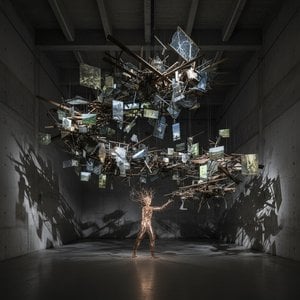
Explore Richard Wilson's groundbreaking landscape paintings & his enduring influence on contemporary installation art. Discover investment opportunities, provenance insights & the materiality of memory in this expert analysis.

اكتشف كيف تحدد اللوحات المخصصة هوية فضاءك الداخلي. استشارات مجانية، فنانون محترفون، وجودة عالية تليق بذوقك الرفيع. WahooArt – خبراء فن العمارة والتصميم.

Explore the profound world of Louise Bourgeois's sculpture with WahooArt. Discover her exploration of trauma, femininity & the subconscious – a guide for discerning collectors.
لا توجد أعمال فنية متاحة.


ابقَ على اطلاع بأحدث أخبار الفن، والعروض الحصرية، وأفكار الديكور.
أخبرنا عن مشروعك، وسيقدم لك خبراؤنا الفنيون 3 اقتراحات فنية مخصصة لك.
دعنا نختار لك ٣ خيارات مخصصة تماماً - مجاناً!


