x
يوجد إجابة صحيحة واحدة فقط لكل سؤال.
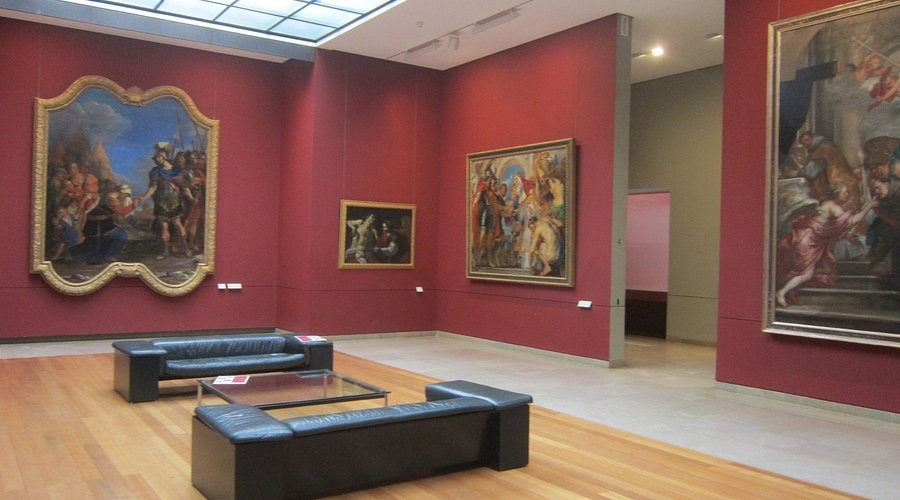
Nestled within the formidable walls of the Château de Caen, a structure steeped in centuries of Norman history, lies a treasure trove for art enthusiasts and those seeking an immersive cultural experience – the Musée des Beaux-Arts. More than simply a repository of paintings, this museum offers a captivating journey through European artistic evolution, from the 16th to the 19th centuries, all framed by the dramatic backdrop of its historic home. Founded in 1801 as one of Napoleon’s ambitious projects to showcase confiscated artworks, the museum has evolved dramatically over time, transforming from a modest seminary space into the magnificent institution it is today – a testament to both artistic preservation and architectural grandeur.
The Château itself is an integral part of the museum's allure. Constructed initially in the 10th century by William the Conqueror, its successive expansions and renovations reflect the shifting power dynamics of Normandy. Walking through its halls is akin to traversing a timeline of Norman history, with each stone whispering tales of dukes, battles, and artistic patronage. The juxtaposition of these imposing fortifications with the delicate beauty of the artwork within creates a profoundly moving experience – a tangible connection between military might and artistic expression.
The Musée des Beaux-Arts de Caen’s collection is remarkably diverse, yet it's particularly celebrated for its exceptional holdings of Flemish paintings. The museum boasts an impressive array of works by masters such as Rubens, whose dramatic compositions and meticulous detail are immediately apparent. These pieces aren’t merely displayed; they command attention, transporting the viewer into a world of intense emotion and vibrant color. Alongside the Flemish treasures, the museum presents a significant collection of French paintings spanning several centuries, showcasing the evolution of artistic styles within France itself – from the early Renaissance to the burgeoning Impressionism movement.
A highlight of the collection is undoubtedly its representation of Italian Renaissance art. Perugino’s masterpieces, in particular, offer a glimpse into the elegance and idealism of this pivotal period. The museum's commitment to showcasing both Northern and Southern European artistic traditions provides a rich and nuanced understanding of the broader cultural landscape of the time. The influence of these masters is felt throughout the collection, shaping the aesthetic sensibilities of subsequent generations of artists.
While the museum’s European masterpieces are undoubtedly its most famous assets, it's crucial to recognize the significance of its collection dedicated to Norman art. This section provides a vital window into the unique artistic heritage of the region, showcasing works that reflect the distinctive cultural identity of Normandy. From landscapes capturing the rolling hills and coastal vistas to portraits depicting local nobility, these pieces offer a tangible connection to the history and traditions of the area.
The museum’s holdings also extend into the 19th century, offering a fascinating glimpse into a period of profound social and political change. The collection includes paintings from the Revolution and Napoleonic eras, reflecting the tumultuous events that shaped modern Europe. Notably, the museum features works by Monet, providing an intimate connection to the Impressionist movement and its revolutionary approach to capturing light and color. These 19th-century pieces offer a compelling contrast to the more formal styles of earlier periods, demonstrating the evolving nature of artistic expression.
What truly distinguishes the Musée des Beaux-Arts de Caen is its unique combination of a significant art collection and its stunning location within the Château de Caen. The museum’s history – intertwined with the political and artistic shifts of France – adds depth to the visitor experience, transforming a simple gallery visit into a journey through time. The museum regularly hosts temporary exhibitions that complement the permanent collection, offering fresh perspectives on various themes and movements.
Furthermore, the museum actively engages with the wider community through educational programs, workshops, and events. It’s an ideal destination for art enthusiasts, history buffs, and anyone seeking to immerse themselves in the beauty of Normandy's artistic heritage. The museum also offers facilities for events, including a 215-seat auditorium, meeting rooms, and a restaurant, making it a versatile venue for corporate gatherings and cultural celebrations.

Explore the revolutionary De Stijl movement & Neo-Plasticism with our expert guide. Discover Piet Mondrian, Theo van Doesburg, and the lasting impact of this influential art style. Learn about collecting & investing in De Stijl masterpieces.

Explore the captivating world of Geoffrey Scowcroft Fletcher (1923-2004), a pivotal British artist and art critic. Discover his iconic London scenes, landscapes & unique style – a true master of romantic realism and impressionism.

Discover the life & art of Peter Paul Rubens, the most influential artist of the Flemish Baroque tradition. Explore his masterpieces, legacy, and impact on art history with WahooArt.


ابقَ على اطلاع بأحدث أخبار الفن، والعروض الحصرية، وأفكار الديكور.
أخبرنا عن مشروعك، وسيقدم لك خبراؤنا الفنيون 3 اقتراحات فنية مخصصة لك.
دعنا نختار لك ٣ خيارات مخصصة تماماً - مجاناً!