Early Life and Artistic Beginnings
Yuan Xikun (born 1944 in Kunming, Yunnan Province) traces his artistic lineage back to a family steeped in traditional Chinese painting traditions. From childhood, he exhibited an innate passion for art—a fascination fueled by observing the natural world and inspired by the legacy of his parents, who were themselves accomplished painters. Notably, Yuan’s formative years coincided with China's tumultuous Cultural Revolution (1966-1976), during which he experienced displacement and upheaval as many intellectuals were forcibly relocated for ideological training—a pivotal moment that profoundly shaped his worldview and artistic sensibilities. He left Yunnan Art University before graduating when the Cultural Revolution policies in China were uprooting many citizens and relocating them for training purposes coherent with the policies of the people’s revolution. Hundreds of thousands of educated people were taken out of their academic and white collar jobs and sent to rural areas to be trained by farmers in agricultural skills. However, Yuan was selected to stay in the city to paint the portrait of Chairman Mao Zedong.
Career Development and Artistic Style
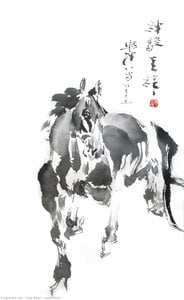
Following his relocation to Tokyo in the early 1980s, Yuan established himself as a respected artist internationally, gaining recognition for his portrait sketches of prominent figures—including members of Japan’s royal family—and collaborating with embassies and international organizations. His artistic style evolved over time, blending influences from Eastern and Western traditions. He embraced meticulous realism alongside expressive techniques reminiscent of Chinese ink wash painting, demonstrating an ability to capture both detail and emotion. Yuan's dedication to portraying human subjects—particularly leaders—earned him the moniker “Portrait Diplomat,” reflecting his commitment to representing figures of global significance. His work consistently explores themes of observation, contemplation, and connection with nature—elements that resonate deeply within his artistic vision.
Notable Achievements and Recognition
Yuan Xikun’s artistic accomplishments have garnered considerable acclaim. He was honored as Sport Artist of the Year by ASAMA (American Sport Art Museum & Archives) in 2008, recognizing his contribution to promoting cultural exchange through art—specifically his portrait of former IOC President Juan Antonio Samaranch. This award underscored his belief that “Fortune shines favor on him because he inherited artistic talent from both of his parents.” Yuan’s prolific output includes over 152 ink wash portraits of foreign dignitaries and more than 160 sculptures depicting world leaders across various fields—a testament to his enduring fascination with capturing the essence of human character. His work has been exhibited extensively throughout China and internationally, cementing his position as a leading figure in contemporary Chinese art.
Environmental Advocacy and Artistic Vision
Beyond his artistic pursuits, Yuan Xikun is deeply committed to environmental activism—a passion born from observing the beauty of Yunnan’s landscapes and fueled by concern for global challenges like ozone depletion and climate change. In 2011, he proposed a monumental sand sculpture designed to raise awareness about these issues—a bold initiative reflecting his conviction that art can serve as a catalyst for social responsibility. This ambitious project embodies Yuan's belief in the power of artistic expression to inspire dialogue and promote positive action toward safeguarding our planet. His ongoing engagement with environmental causes underscores his unwavering dedication to blending creativity with compassion—a guiding principle throughout his artistic journey.
Legacy and Influence
Yuan Xikun’s influence extends beyond his individual artworks; he serves as Honorary President of the Sino-American Friendship Association, symbolizing a commitment to fostering intercultural understanding. He is also credited with creating the monument to Nizami Ganjavi in Beijing—a tribute to a celebrated Persian poet—demonstrating an appreciation for artistic heritage across cultures. Yuan Xikun’s work continues to inspire artists and audiences alike, reminding us of the importance of blending artistic skill with ethical considerations—a legacy that ensures his contribution to art history will endure for generations to come.