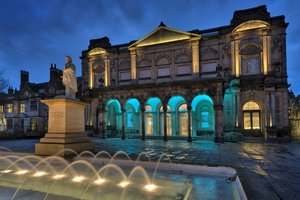
وليام إيتي, 1787 – 1849

وليام إيتي Paintings: The 100 Most Famous Works, Ranked

وليام إيتي's most famous painting is The Sirens And Ulysses, in the Manchester Art Gallery, مانشستر. With Candaules, King of Lydia, Shews his Wife by Stealth to Gyges, One of his Ministers, as She Goes to Bed (1830) and عبدة يونانية (1812), it completes the three works everyone recognises. Our catalogue lists 523 works by وليام إيتي; the 100 below are the ones the world looks at most, each with its year, the museum that holds it and why it matters.

تُصنف الأعمال بناءً على درجة شعبيتنا، التي تجمع بين عمليات البحث والزيارات والطلبات لكل عمل فني. تم التحديث في أكتوبر 2026. Every masterpiece on this page can be ordered as a museum-quality, hand-painted oil reproduction or a fine art print, at the size you choose.

بورتريه لـ وليام إيتي
وليام إيتي · 1787 – 1849
تاريخ الميلاد · تاريخ الوفاة
1787 – 1849, يورك
حركة
Classical figure
الأعمال الموجودة في كتالوجنا
523
الأكثر شهرة
The Sirens And Ulysses
أكبر عدد من الأعمال في
Anglesey Abbey

The 10 most famous وليام إيتي paintings

The Sirens And Ulysses للفنان وليام إيتي
1

The Sirens And Ulysses

Oil On Canvas · Manchester Art Gallery, مانشستر

In the grand tradition of British Romanticism, William Etty’s The Sirens and Ulysses stands as a breathtaking testament to the power of epic storytelling and the raw intensity of human desire. This large-scale oil masterpiece transports the viewer directly into the heart of Homer’s Odyssey, capturing that perilous moment when the hero, Ulysses, must endure the intoxicating, lethal melodies of the Sirens. Etty does not merely illustrate a myth; he…

Candaules, King of Lydia, Shews his Wife by Stealth to Gyges, One of his Ministers, as She Goes to Bed (1830) للفنان وليام إيتي
2

Candaules, King of Lydia, Shews his Wife by Stealth to Gyges, One of his Ministers, as She Goes to Bed

1830 · Oil

In the evocative masterpiece Candaules, King of Lydia, Shews his Wife by Stealth to Gyges, One of his Ministers, as She Goes to Bed, William Etty invites the viewer into a moment of profound moral transgression and voyeuristic tension. Painted around 1830, this work captures a pivotal scene from Greek legend, where the hubris of King Candaules leads to a breach of intimacy that would forever alter the course of…

عبدة يونانية (1812) للفنان وليام إيتي
3

عبدة يونانية

1812 · زيت على قماش

في عالم الفن، لا يزال اسم ويليام إيتي يثير الجدل والإعجاب. فنان بريطاني بارز من القرن التاسع عشر، لم يكن إيتي مجرد رسام، بل كان صانعًا للرموز والأحاسيس. عمله "عبدة يونانية" (1812)، الذي نناقشه اليوم، يمثل قمة إبداعه، ويجسد روح عصر الرومانسية مع لمسة من النيو كلاسيكية، مما جعله تحفة فنية لا تزال آسرة للأنظار حتى يومنا هذا. هذه اللوحة ليست مجرد صورة لشخصية، بل هي رحلة عبر الزمن، وتأمل…

فينوس وعوديس للفنان وليام إيتي
4

فينوس وعوديس

زيت على كانفاس

لا تُعدّ لوحة "فينوس وكبودين" لويليام إيتي مجرد تصوير للجمال الكلاسيكي؛ بل هي سردٌ مُحكمُ الأسلوب، ينسج خيوطه من الأساطير، والعواطف الإنسانية، وشعلة الروح الرومانسية. تم تنفيذ هذه التحفة الفنية ببراعة في زيت على قماش، تنقلنا إلى عالمٍ حيث تتداخل المحبة الإلهية والرغبات الأرضية، مُخلقّةً تجربةً تتجاوز مجرد التمثيل.

The Three Graces للفنان وليام إيتي
5

The Three Graces

In this 1835 oil on millboard, the artist William Etty brings the mythological realm into immediate view. The Three Graces emerge from the shadows, their forms interlacing in a moment of quiet, divine presence. These three goddesses from Greek mythology—Aglaea, known as "Shining"; Euphrosyne, representing "Joy"; and Thalia, called "Blooming"—occupy the space with a sense of natural grace. They exist here not as distant statues, but as living entities caught…

Male Nude Sawing للفنان وليام إيتي
6

Male Nude Sawing

Oil

The painting depicts a male nude figure engaged in the act of sawing. Positioned on the right side of the canvas, the figure is shown with his back turned to the viewer, a pose that reveals muscular definition and a sense of movement through a dynamic posture. His left arm is extended upwards, while his right arm is bent at the elbow, holding the saw. The background consists of a…

Nude Female Figure (1840) للفنان وليام إيتي
7

Nude Female Figure

1840 · Oil

In the evocative masterpiece Nude Female Figure, painted in 1840, William Etty invites the viewer into a private, intimate moment that transcends mere observation to become an exploration of human vitality. The composition centers on the graceful silhouette of a woman, her back turned toward the observer, creating a sense of profound mystery and voyeuristic elegance. As she stands near a simple chair or bench, the light dances across the…

Self-Portrait (1823) للفنان وليام إيتي
9

Self-Portrait

1823 · Oil On Paper · Yale Center for British Art, نيو هيفن

William Etty painted this Self-Portrait in 1823 during his first visit to Venice. The work captures the artist in a moment of quiet study, depicted reading an opened letter. This correspondence is addressed to Walter—Monsieur Etty—at 31 Lombard Street, London, suggesting a personal connection to his brother during his Venetian sojourn.

John Thornton (1830) للفنان وليام إيتي
10

John Thornton

1830 · Oil On Canvas · Merchant Adventurers’ Hall, York

The oil painting titled John Thornton is a formal portrait executed by the artist William Etty. Created in 1830, the work depicts John Thornton, a prominent Welsh sculptor. The subject is presented in a bust-length composition, focusing on the head and upper torso of the individual. This portrait captures the likeness of Thornton through a direct and steady gaze directed toward the viewer.

وليام إيتي, paintings 11 to 100

The Bowman (1830) للفنان وليام إيتي
#15

The Bowman

1830 · New Walk Museum - Art Gallery

A man stands caught in a moment of singular focus. His skin is not merely flesh but a canvas of deep red pigment, a visceral coating that clings…

Commission a hand-painted copy →
Self-Portrait (1825) للفنان وليام إيتي
#19

Self-Portrait

1825 · متاحف هارفارد للفنون

In this Self-Portrait, the artist William Etty turns the gaze inward. Painted about 1825, the work captures a moment of quiet introspection. Born in York, United Kingdom, in…

Commission a hand-painted copy →
John Thornton (1830) للفنان وليام إيتي
#21

John Thornton

1830 · Merchant Adventurers’ Hall

The oil painting titled John Thornton by William Etty presents a formal encounter with a man of significant presence. Created in 1830, this work captures the likeness of…

Order a reproduction →
Study of a Man's Head (1841) للفنان وليام إيتي
#23

Study of a Man's Head

1841

In the quiet intimacy of this 1841 study, we find ourselves invited into a moment of profound, silent introspection. The subject, a man with flowing locks and a…

Bring it home →
Study of Female Nude (1830) للفنان وليام إيتي
#26

Study of Female Nude

1830

In the quiet, evocative depths of William Etty’s Study of Female Nude, we encounter a moment frozen in time, where the boundaries between the physical form and the…

Bring it home →
Man with an Arrow (1820) للفنان وليام إيتي
#27

Man with an Arrow

1820 · Scarborough Museums Trust

To gaze upon William Etty’s "Man with an Arrow" is to encounter a moment suspended between repose and potential action. The composition immediately draws the viewer into the…

Commission a hand-painted copy →
Study for "The Combat" للفنان وليام إيتي
#28

Study for "The Combat"

متاحف هارفارد للفنون

In Study for "The Combat", William Etty captures a moment of raw, unbridled motion. The oil study pulses with a sudden, violent energy as muscular male figures collide…

Order a reproduction →
Sabrina and Her Nymphs (1841) للفنان وليام إيتي
#30

Sabrina and Her Nymphs

1841 · New Walk Museum - Art Gallery

William Etty's "Sabrina and Her Nymphs," completed in 1841, is a captivating exploration of mythology, sensuality, and the raw power of Romantic emotion. This oil painting, measuring 60…

Bring it home →
Figure of a Seated Man (1830) للفنان وليام إيتي
#31

Figure of a Seated Man

1830 · Fairfax House

To stand before a work like this Figure of a Seated Man is to be drawn into a moment suspended just beyond the reach of time. Painted in…

Bring it home →
Figure of a Seated Man (1830) للفنان وليام إيتي
#32

Figure of a Seated Man

1830 · Fairfax House

This captivating portrait, titled Figure of a Seated Man, draws the viewer into an intimate space of profound thought. The subject, rendered with remarkable skill, is depicted seated,…

Bring it home →
An Israelite للفنان وليام إيتي
#42

An Israelite

In this evocative portrait, a man is captured in a moment of profound introspection. Set against a dark, somber background, the subject is depicted in a contemplative pose,…

Order a reproduction →
Seated Female Nude (verso) (1845) للفنان وليام إيتي
#43

Seated Female Nude (verso)

1845 · Courtauld Gallery

William Etty's “Seated Female Nude (verso)” offers a poignant glimpse into the artist’s process and his groundbreaking approach to depicting the human form. This preparatory sketch, rendered in…

Order a reproduction →
Head of a Monk (1842) للفنان وليام إيتي
#68

Head of a Monk

1842

In the intimate realm of nineteenth-century portraiture, few works capture the profound stillness of the human spirit as effectively as William Etty’s Head of a Monk. Painted in…

Bring it home →
Prometheus (1820) للفنان وليام إيتي
#69

Prometheus

1820

In the visceral masterpiece Prometheus, painted in 1820, William Etty invites us into a scene of profound mythological suffering and raw human vulnerability. The canvas captures the Titan…

Order a reproduction →
Guardsman Higgins (1830) للفنان وليام إيتي
#70

Guardsman Higgins

1830

In the pantheon of nineteenth-century British art, few names evoke as much visceral emotion and painterly passion as William Etty. His masterpiece, Guardsman Higgins, dating from 1830, serves…

Commission a hand-painted copy →
A Greek Slave (1812) للفنان وليام إيتي
#71

A Greek Slave

1812

A Portrait of Strength and Vulnerability: Exploring William Etty’s “A Greek Slave” William Etty's "A Greek Slave," completed in 1812, stands as a remarkable testament to the Romantic…

Order a reproduction →

وليام إيتي's paintings by period

The subjects وليام إيتي painted most

The four subjects that return most often among these masterpieces, with the finest example of each.

Where to see وليام إيتي's paintings

المتاحف الـ 8 التي تضم أكبر عدد من اللوحات الموجودة في هذه الصفحة.

المتحف المدينة أعمال وليام إيتي لوحات من هذه القائمة
Anglesey AbbeyAnglesey Abbey 17 Academic Study Of A Male Nude, Seen From Behind, Academic Study Of A Male Nude As A Standard Bearer, A Bacchante and a Young Faun dancing in a Bacchic Setting
Fairfax House, YorkFairfax House York 4 S. A. Bayntum, MP for York (1830–1832), Figure of a Seated Man, Figure of a Seated Man
Rhode Island School of Design Museum of Art, بروفيدنسRhode Island School of Design Museum of Art بروفيدنس 3 Male Head, Back View of a Standing Male Nude in a Boat, Seated Female Nude
معرض يورك للفنون, يوركمعرض يورك للفنون يورك 14 Male Nude -, Venus And Cupid -
Merchant Adventurers’ Hall, YorkMerchant Adventurers’ Hall York 2 John Thornton, John Thornton
New Walk Museum - Art Gallery, LeicesterNew Walk Museum - Art Gallery Leicester 2 The Bowman, Sabrina and Her Nymphs
متاحف هارفارد للفنون, كامبريدجمتاحف هارفارد للفنون كامبريدج 2 Self-Portrait, Study for "The Combat"
Courtauld Gallery, لندنCourtauld Gallery لندن 4 Seated Female Nude (verso)

وليام إيتي's most famous painting of each decade

  1. 1810s
    عبدة يونانية (1812) للفنان وليام إيتي
    No. 3 of 100

    عبدة يونانية

    العمر 23 – 32

    في عالم الفن، لا يزال اسم ويليام إيتي يثير الجدل والإعجاب. فنان بريطاني بارز من القرن التاسع عشر، لم يكن إيتي مجرد رسام، بل كان صانعًا للرموز والأحاسيس.…

  2. 1820s
    Self-Portrait (1823) للفنان وليام إيتي
    #9 of 100

    Self-Portrait

    العمر 33 – 42 · Yale Center for British Art

    William Etty painted this Self-Portrait in 1823 during his first visit to Venice. The work captures the artist in a moment of quiet study, depicted reading an opened…

  3. 1830s
  4. 1840s
    Nude Female Figure (1840) للفنان وليام إيتي
    #7 of 100

    Nude Female Figure

    العمر 53 – 62

    In the evocative masterpiece Nude Female Figure, painted in 1840, William Etty invites the viewer into a private, intimate moment that transcends mere observation to become an exploration…

Questions about وليام إيتي's paintings

What is وليام إيتي's most famous painting?Show the answer

The Sirens And Ulysses, Manchester Art Gallery, مانشستر. Next come Candaules, King of Lydia, Shews his Wife by Stealth to Gyges, One of his Ministers, as She Goes to Bed (1830) and عبدة يونانية (1812).

What are the top 10 paintings by وليام إيتي?Show the answer

The Sirens And Ulysses, Candaules, King of Lydia, Shews his Wife by Stealth to Gyges, One of his Ministers, as She Goes to Bed, عبدة يونانية, فينوس وعوديس, The Three Graces, Male Nude Sawing, Nude Female Figure, The Doves, Self-Portrait و John Thornton. The ranking above gives the year and the museum of each.

How many paintings did وليام إيتي make?Show the answer

Our catalogue lists 523 works by وليام إيتي, dated from 1812 to 1849.

Where are وليام إيتي's most famous paintings?Show the answer

Most of them are in Anglesey Abbey, Fairfax House (York) و Rhode Island School of Design Museum of Art (بروفيدنس). The table above lists the museums one by one.

When did وليام إيتي paint the most famous works?Show the answer

In 1830s: 16 of the 100 works on this page date from then, among them Candaules, King of Lydia, Shews his Wife by Stealth to Gyges, One of his Ministers, as She Goes to Bed.

What are وليام إيتي's earliest and latest famous paintings?Show the answer

The earliest on this page is عبدة يونانية (1812), the latest The Wrestlers (1849).

What did وليام إيتي paint most often?Show the answer

Nudes (12), Portrait (11) و Victorian era (10), among the 100 works on this page.

What medium did وليام إيتي use most?Show the answer

Oil On Canvas: 11 of the 100 works on this page.

Which art movement does وليام إيتي belong to?Show the answer

Classical figure, as the paintings on this page show.

Which وليام إيتي paintings can I see at the Anglesey Abbey?Show the answer

Academic Study Of A Male Nude, Seen From Behind, Academic Study Of A Male Nude As A Standard Bearer و A Bacchante and a Young Faun dancing in a Bacchic Setting are among the 3 works on this page held by the Anglesey Abbey.

Can I buy a reproduction of a وليام إيتي painting?Show the answer

Yes. Every painting on this page can be ordered as a museum-quality, hand-painted oil reproduction or a fine art print, in the size you choose, from the painting's own page.

About وليام إيتي

الحياة المبكرة والتدريب الفني لويليام إيتي

لفهم الدقة التقنية التي ميزت أعمال ويليام إيتي، يتعين علينا أن ننظر إلى ما وراء الجدل الذي أحاط بموضوعاته المتأخرة، لنعود إلى بداياته الميكانيكية المنضبطة. ولد في العاشر من مارس عام 1787 في مدينة يورك بالمملكة المتحدة، وكان الابن السابع لكل من ماثيو وإستر إيتي. لم يكن طريقه نحو الفنون الجميلة مفاجئاً أو فطرياً، بل صُقل من خلال الهيكل الصارم لمهنة يدوية؛ ففي سن الحادية عشرة، وتحديداً في الثامن من أكتوبر عام 1798، التحق كمتدرب في مهنة الطباعة في مدينة هول. وقد منحت هذه التلمذة التي استمرت سبع سنوات أساساً متيناً في الجوانب العملية لإعادة الإنتاج البصري، وهو ما مثل نقطة انطلاق مغايرة تماماً عن الدوائر الأكاديمية التي سيسكنها لاحقاً.

كان الانتقال من مطبعة الطباعة إلى مرسم الفنان تحولاً حاسماً في مسيرة تطوره؛ ففي عام 1807، انضم ويليام إيتي إلى مدارس الأكاديمية الملكية، لينتقل من العالم الميكانيكي للطباعة إلى البيئة الصارمة للتعليم الفني الرسمي. ولم يقتصر تدريبه على قاعات الدراسة فحسب، بل قضى عاماً كاملاً كتلميذ خاص تحت إشراف توماس لورانس. وفرت هذه الفترة من الدراسة المكثفة الأساس التشريحي والتحكم التقني اللذين سيحددان ملامح مسيرته الفنية؛ فلم يعتمد إيتي على مجرد الموهبة الفطرية، بل على الاكتساب المنهجي للمهارة من خلال التوجيه المباشر والانضباط المؤسسي.

الأسلوب الفني والبراعة التقنية

تجلت الرؤية التقنية لدى ويليام إيتي من خلال سيطرة صارمة ومذهلة على الضوء والملمس؛ فقد استطاع تقديم تجسيد واقعي مذهل للبشرة من خلال تقنية بارعة في النمذجة اللونية، اعتمد فيها على وضع طبقات رقيقة من الصبغات الشفافة (glazes). سمحت له هذه الطريقة ببناء عمق وتدرجات دقيقة في ألوان البشرة، وهي المهارة التي جعلت منه أول رسام بريطاني بارز يتخصص في تصوير الأجساد العارية. ولم تقتصر براعته على وسيط واحد، بل امتدت لتشمل مجموعة متنوعة من المواد، بما في ذلك الزيت على الألواح الخشبية والورق المقوى، والرسم بالطباشير، والفحم، والقلم والحبر. لم يكن إيتي يكتفي بأسلوب جامد، بل كان يطوع أدواته لتلائم المتطلبات الخاصة لكل موضوع، سواء كان ذلك في محاولة لالتقاط التفاصيل العضلية لشخصية ذكرية أو في محاكاة السطح الرقيق والناعم للطبيعة الصامتة.

لقد كان تخصص إيتي في تصوير العري بمثابة خروج جريء عن التقاليد البريطانية السائدة في عصره؛ إذ كان أول رسام إنجليزي يركز بشكل مستمر ومنتظم على الشكل البشري، معاملاً الجسد بدقة تشريحية متناهية بدلاً من اعتباره مجرد عنصر زخرفي عابر. هذا الالتزام بالواقعية الجسدية توازى مع شغفه بفن الطبيعة الصامتة؛ وباعتباره أول رسام إنجليزي ينخرط بجدية في هذا النوع الفني، فقد طبق نفس الحساسية تجاه الملمس والمادية على الأشياء كما فعل مع التشريح البشري. إن قدرته الفائقة على التلاعب بالضوء والظل من خلال تقنية التغشية (glazing) ضمنت أن تتمتع شخصياته وأجسام الطبيعة الصامتة التي يرسمها بحضور ملموس وحسي يكاد ينطق بالحياة.

صعود الجدل والنجاح

جاءت انطلاقة ويليام إيتي الكبرى في عام 1821 مع لوحته وصول كليوباترا إلى كيليشيا، وهو العمل الذي أشعل رد فعل مزدوجاً سيحدد ملامح مسيرته الفنية بأكملها؛ فبينما حظي العمل بإشادة واسعة بفضل براعته التقنية، أثار في الوقت ذاته فضيحة فورية بسبب موضوعه. ومن خلال ملء لوحاته بشخصيات عارية، وجد إيتي نفسه يخطو مباشرة نحو حقل ألغام ثقافي، حيث لم يكن تركيزه على الشكل البشري مجرد خيار أسلوبي، بل كان بمثابة استفزاز للمشاعر الأخلاقية السائدة في ذلك العصر.

كان الاحتكاك بين موهبته الفذة وسمعته المثيرة للجدل أمراً مستمراً؛ فقد هاجم النقاد مراراً وتكراراً تصويراته للعري، بدعوى افتقاره إلى "المثالية" الفنية. وبدلاً من الانصياع للمعايير الكلاسيكية المصقولة والمنفصلة عن الواقع، سار ويليام إيتي نحو واقعية بدت حية ومباشرة بشكل يثير الارتياب. هذا الالتزام بالحقيقة التشريحية غالباً ما جلب عليه اتهامات بالخروج عن الآداب العامة، ومع ذلك، فإن هذا الرفض تحديداً لتجميل الجسد أو تنزيهه هو ما ضمن له مكانة راسخة في تاريخ الفن البريطاني. إن قدرته الفائقة على تجسيد درجات لون البشرة بهذه الدقة المتناهية جعلت من أعماله عصية على التجاهل، حتى في أحلك لحظات الإدانة التي تعرض لها.

وعلى الرغم من الهمسات المستمرة حول عدم اللياقة، ظل صعوده المهني ثابتاً ومستقراً. ففي عام 1828، انتُخب زميلاً في الأكاديمية الملكية، وهي الخطوة التي رسخت مكانته داخل العالم الفني المرموق. لقد نجح إيتي في الإبحار ببراعة وسط التوتر القائم بين كونه فناناً مثيراً للجدل وعنصراً مؤسسياً أساسياً، ليثبت للعالم أن الفنان يمكنه الحفاظ على مكانة مهنية رفيعة، بينما يتحدى في الوقت ذاته الحدود البصرية لعصره.

الأعمال الرئيسية والتكوينات الفنية الكبرى

صِيغت سمعة ويليام إيتي من خلال أعمال فنية أجبرت الجمهور على مواجهة الواقع المادي والجسدي للجسد البشري. وقد كانت لوحته التي رسمها عام 1821، وصول كليوباترا إلى كيليشيا، بمثابة شرارة أشعلت فتيل الإعجاب والجدل في آن واحد؛ فمن خلال ملء المشهد بنساء عاريات يستحممن ويتسامرن، تجاوز إيتي مجرد التوضيح التاريخي ليدخل في منطقة من الواقعية المكثفة التي غالباً ما كانت تثير عدم الارتياح. لقد أصبح هذا التركيز على تفاصيل الجسد هو أسلوبه التعبيري الأساسي، مما دفعه مراراً لتجاوز الحدود التي كانت تتقبلها الحساسية الفيكتورية في ذلك العصر.

تتجلى قدرة الفنان على التعامل مع التكوينات التشريحية المعقدة في لوحة الجميلات الثلاث، التي رُسمت في الفترة ما بين 1830 و1835 تقريباً. في هذا العمل، تخلق الأجساد المتشابكة للإلهات الثلاث تكويناً متماسكاً وحسياً يبرز مادية الجلد وطبيعته؛ فلم يكن هذا تصويراً مثالياً بعيداً، بل كان تمثيلاً مباشراً، يكاد يكون ملموساً، للشكل الأنثوي. وبالمثل، تظهر لوحة السيرينات وأوديسيوس، التي نُفذت عام 1837، تمكنه من السيطرة على التكوين الدرامي وإبراز القوة العضلية للشكل البشري ضمن إطار أسطوري مهيب.

وحتى في سنواته الأخيرة، استمر ويليام إيتي في استكشاف التوتر القائم بين الضوء والتشريح؛ ففي لوحة المصارعون، التي رُسمت حوالي عام 1840، يصور نزالاً بين رجل أسود وآخر أبيض، حيث رُسمت الشخصيات مع تركيز شديد على تفاصيل العرق وكيفية انعكاس الضوء على منحنيات وعضلات الأجساد المجهدة. يسلط هذا العمل الضوء على قدرته التقنية الفائقة في استخدام الضوء لتحديد ملامح الجهد البدني والحجم العضلي.

  • وصول كليوباترا إلى كيليشيا (1821)
  • الجميلات الثلاث (حوالي 1830–1835)
  • السيرينات وأوديسيوس (1837)
  • المصارعون (حوالي 1840)

الإرث وإعادة الاكتشاف الفني

لم تترجم الثقل التاريخي لأعمال ويليام إيتي فوراً إلى استقرار فني طويل الأمد؛ فبعد وفاته في عام 1849، غاصت لوحاته في غياهب النسيان النسبي. ومع تغير الأذواق وظهور القواعد الأخلاقية الصارمة في العصر الفيكتوري، تراجع تركيزه على الشكل البشري ليصبح على هامش الاهتمام النقدي. وعلى مدار عقود، ظلت سمعته معزولة، ومنسية إلى حد كبير من قبل المؤسسات الفنية السائدة.

إلا أن تحولاً جذرياً قد حدث مع مطلع القرن الحادي والعشرين، حيث أدى إدراج أعماله في معرض Exposed: The Victorian Nude في Tate Britain بين عامي 2001 و2002 إلى إثارة اهتمام متجدد وضروري بأسلوبه التقني في تناول الجسد. واستمر هذا الزخم عندما كشفت عمليات الترميم التي خضعت لها لوحة The Sirens and Ulysses في عام 2010 عن البراعة الحقيقية لتقنياته، مما رسخ نهضة حديثة لسمعته. لم يكن هذا مجرد تمرين أكاديمي، بل كان إعادة تقييم حقيقية لمدى تأثيره الفعلي في تاريخ الفن البريطاني.

وصلت هذه العودة إلى ذروتها مع إقامة معرض استعادي ضخم لأعماله في معرض يورك Art Gallery في عامي 2011-2012. وقد نقلت فترة إعادة التقييم هذه الفنان من الهامش ليعود إلى قلب النقاشات الجادة. وتظل قدرته الفائقة على تجسيد درجات لون البشرة الواقعية والتفاصيل التشريحية الدقيقة هي السبب الرئيسي الذي يجعل أعماله تستحق الاهتمام اليوم؛ فلم يعد يُنظر إليه كمجرد فنان مثير للجدل، بل كفنان يُعترف بتفانيه الاستثنائي والصارم في تصوير الشكل البشري.

أين يمكن مشاهدة أعماله اليوم

لا يزال الحضور المادي لأعمال ويليام إيتي في المجموعات الفنية الحديثة يحمل أهمية بالغة، رغم أن توزيع أعماله يتسم بعدم الانتظام. ففي لندن، تحتفظ معرض كورتولد ببصمة قوية من إنتاجه الفني من خلال أربعة أعمال ضمن مجموعتها. أما بالنسبة لأولئك الذين ينشدون دراساته الأكثر حميمية أو دراسات الشخصيات المحددة، فإن منزل فيرفاكس في يورك يحفظ أربعاً من لوحاته، حيث تقدم هذه القطع نظرة مباشرة على الدقة التقنية التي طبقها على الشكل البشري، بعيداً عن التكوينات التاريخية الضخمة.

ويمتد نطاق تأثيره إلى ما وراء المملكة المتحدة ليصل إلى القارة الأوروبية؛ إذ يضم متحف اللوفر في باريس عملين من أعماله، مما يضمن شعور المؤسسات الدولية الكبرى بتأثيره الفني. وفي المملكة المتحدة، يحافظ الصندوق الوطني في كامبريدج أيضاً على حضور فني بثلاثة أعمال. ولرؤية أعماله في سياقها الإقليمي الأكثر تركيزاً، يتعين على المرء التوجه إلى معرض يورك الفني، الذي يحتضن لوحة المصارعون، وهي قطعة فنية رُسمت حوالي عام 1840.

  • المصارعون (معرض يورك الفني)
  • وصول كليوباترا إلى كيليشيا
  • السيرينات وأوديسيوس

جميع أعمال 523 لـ وليام إيتي →