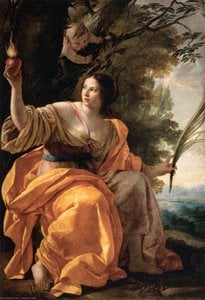
سيمون فويه, 1590 – 1649

سيمون فويه: أشهر 100 لوحات

تُعد Venus and Adonis (1642) اللوحة الأكثر شهرة للفنان سيمون فويه، وهي محفوظة في متحف ج. بول غيتي في لوس أنجلوس. تُعد The Muses of Urania and Calliope (1634) وAnnunciation (1640) من أكثر العملين الفنيين شهرة في العالم. من بين 166 من أعمال سيمون فويه في كتالوجنا، إليكم 100 من الأعمال الأكثر مشاهدة من قبل المقتنين وزوار المتاحف، مع ذكر سنة الإنتاج، والمتحف، وقصة كل منها.

تُصنف الأعمال بناءً على درجة شعبيتنا، التي تجمع بين عمليات البحث والزيارات والطلبات لكل عمل فني. تم التحديث في أكتوبر 2026. يمكن طلب كل لوحة فنية في هذه الصفحة كنسخة زيتية مرسومة يدوياً بجودة المتاحف، أو كمطبوعة فنية فاخرة، وذلك بالمقاس الذي تختارونه.

بورتريه لـ سيمون فويه
سيمون فويه · 1590 – 1649
تاريخ الميلاد · تاريخ الوفاة
1590 – 1649, باريس
حركة
Baroque
الأعمال الموجودة في كتالوجنا
166
الأكثر شهرة
Venus and Adonis (1642)
أكبر عدد من الأعمال في
متحف اللوفر

أفضل 10 لوحات شهرةً لـ سيمون فويه

Venus and Adonis (1642) للفنان سيمون فويه
1

Venus and Adonis

1642 · Acrylic On Canvas · متحف ج. بول غيتي, لوس أنجلوس

Simon Vouet’s “Venus and Adonis,” painted in 1642, is a striking example of French Baroque art, showcasing the artist’s mastery of color, composition, and his assimilation of Italian artistic trends. This evocative scene depicts the poignant moment from Ovid's *Metamorphoses* where the mortal Adonis, captivated by hunting, rejects Venus’s advances, foreshadowing his tragic demise. The painting isn't merely a depiction of mythology; it's an exploration of love, desire, and mortality…

The Muses of Urania and Calliope (1634) للفنان سيمون فويه
2

The Muses of Urania and Calliope

1634 · Acrylic On Canvas · المعرض الوطني للفنون, واشنطن

Simon Vouet’s “The Muses Urania and Calliope”: A Symphony of Baroque Grace Simon Vouet (1590-1649) stands as a pivotal figure in the artistic landscape of 17th-century France, marking the decisive transition from Mannerism to the opulent grandeur of the Baroque style. His legacy resides not merely in his prolific output but also in his unwavering dedication to mastering Italian influences—a pursuit that fundamentally reshaped French painting and cemented Vouet’s place…

Annunciation (1640) للفنان سيمون فويه
3

Annunciation

1640 · Oil On Canvas · معرض أوفيزي, فلورنسا

Simon Vouet's "Annunciation," painted in 1640, is more than just a religious depiction; it’s a masterful orchestration of light, shadow, and human emotion. This captivating work transports the viewer to an intimate interior space, where the momentous announcement of Mary’s divine conception unfolds with breathtaking drama. The painting immediately draws the eye to the kneeling figure of the Virgin Mary, bathed in a warm, golden glow emanating from the right…

The Fortuneteller (detail) (1617) للفنان سيمون فويه
4

The Fortuneteller (detail)

In the heart of 1617, amidst the vibrant and transformative atmosphere of Roman artistic circles, Simon Vouet captured a moment of profound human connection in his masterpiece, The Fortuneteller. This work, particularly when viewed in its intimate details, serves as much more than a mere portrait; it is an emblem of the burgeoning Baroque style that was beginning to reshape the visual landscape of Europe. The scene unfolds with a…

Sleeping Venus (1630) للفنان سيمون فويه
5

Sleeping Venus

1630 · Acrylic On Canvas · متحف الفنون الجميلة, بودابست

Simon Vouet's "Sleeping Venus," painted around 1630, is not merely a depiction of a reclining nude; it’s an exquisite distillation of Renaissance ideals and the burgeoning Baroque aesthetic. This captivating work transcends simple portraiture, offering instead a profound meditation on beauty, repose, and the delicate balance between earthly pleasure and spiritual contemplation. The painting immediately draws the viewer into a world of hushed tranquility, inviting us to share in the…

Allegory of Virtue (1634) للفنان سيمون فويه
6

Allegory of Virtue

1634 · Acrylic On Canvas · متحف اللوفر, باريس

Simon Vouet’s “Allegory of Virtue,” completed around 1634, stands as a testament to the burgeoning Baroque aesthetic infiltrating French artistic circles during Louis XIII's reign. More than just a portrait—though it undeniably depicts a woman radiating grace and authority—the painting delves into profound philosophical concepts rooted in humanist ideals prevalent at the time.

The Entombment (1638) للفنان سيمون فويه
7

The Entombment

1638 · Oil On Canvas · متحف فيتزويليام, Cambridge

Simon Vouet's "The Entombment," painted in 1635–1638, is not merely a depiction of a biblical scene; it’s an exquisitely rendered meditation on grief, faith, and the profound dignity of sacrifice. This monumental work, currently residing within the collection of the Fitzwilliam Museum in Cambridge, transcends its subject matter to become a powerful testament to the Baroque era's ability to evoke intense emotion through masterful technique and carefully considered symbolism. Vouet,…

Angels with Attributes of the Passion: Angel Holding the Vessel and Towel for washing the hands of Pontius Pilate (1624) للفنان سيمون فويه
8

Angels with Attributes of the Passion: Angel Holding the Vessel and Towel for washing the hands of Pontius Pilate

1624 · Oil · متحف مينيابوليس للفنون, مينيابوليس

A single celestial figure emerges from a deep, near-black void, commanding the space with an intimate and monumental presence. This angel, caught in a moment of profound spiritual devotion, gazes upward with eyes full of soulful contemplation or sorrow. The light descends from the upper left, carving the figure out of the darkness and casting soft, tender shadows across a face etched with emotion. Every detail feels immediate, from the…

Saint John (1623) للفنان سيمون فويه
9

Saint John

1623 · Oil On Canvas · متحف فيلادلفيا للفنون, فيلادلفيا

A young man turns his face toward a light that remains unseen. His eyes, wide and searching, catch a glimmer that pulls his gaze upward, away from the dark, murky depths of the background. Thick, dark curls frame a pale face, creating a sharp contrast against the heavy shadows that swallow the space around him. He is caught in a moment of sudden, quiet realization. The light does not merely…

Virgin and Child, with an Angel (1642) للفنان سيمون فويه
10

Virgin and Child, with an Angel

1642 · Oil On Panel · متحف فيلادلفيا للفنون, فيلادلفيا

The light falls softly upon the skin of the Virgin Mary, catching the curve of her cheek and the small, smooth hands of the Christ Child. They sit within a triangular arrangement that anchors the composition, surrounded by the deep shadows of a dense woodland. An angel leans into this intimate circle, its robes glowing with warm yellows and golds that contrast against the heavy, dark trees behind them. At…

بقية ترتيب سيمون فويه، من 11 إلى 100

Heavenly Charity (1640) للفنان سيمون فويه
#14

Heavenly Charity

1640 · متحف اللوفر

A Beacon of Baroque Virtue: Simon Vouet’s Heavenly Charity Simon Vouet's "Heavenly Charity," completed around 1640, stands as a cornerstone of French Baroque painting—a testament to Louis XIII’s…

اقتنِها الآن →
Allegory (1640) للفنان سيمون فويه
#15

Allegory

1640 · الموسيقى الكابيتولينية

Simon Vouet executed Allegory during his residency in Rome, a period spanning from 1614 to 1627. The work was commissioned by Marcello Sacchetti, a 17th-century Italian merchant and…

اطلب نسخة طبق الأصل →
Parnassus or Apollo and the Muses (1640) للفنان سيمون فويه
#16

Parnassus or Apollo and the Muses

1640 · متحف الفنون الجميلة

A Celestial Gathering: Simon Vouet’s “Parnassus or Apollo and the Muses” Simon Vouet's "Parnassus or Apollo and the Muses," painted around 1640, isn’t merely a depiction of Greek…

اقتنِها الآن →
Sacrifice of Isaac (1642) للفنان سيمون فويه
#17

Sacrifice of Isaac

1642 · متحف ميلووكي للفنون

The painting titled Sacrifice of Isaac is a work of religious art. It is attributed to the French artist Simon Vouet (1590-1649) and Pierre Patel, the Elder (1605-1676).…

اقتنِها الآن →
The Muse Clio (1640) للفنان سيمون فويه
#22

The Muse Clio

1640 · Staatliche Kunsthalle Karlsruhe

The Muse Clio is an oil on canvas painting by the artist Simon Vouet. Created about 1640, this work depicts the mythological figure Clio, who is recognized as…

اطلب نسخة طبق الأصل →
Vanitas (1621) للفنان سيمون فويه
#24

Vanitas

1621 · المتحف الوطني في وارسو

In Vanitas, Simon Vouet centers the composition on a tight, intimate encounter between two figures. A young woman and an older man emerge from a deep, near-black background…

اقتنِها الآن →
Angel with dice and tunic (1620) للفنان سيمون فويه
#59

Angel with dice and tunic

1620 · متحف كابوديمونتي

The celestial figure in Angel with dice and tunic gazes downward, caught in a moment of quiet contemplation. This oil on canvas work by the artist Simon Vouet…

اقتنِها الآن →
Saint Catherine of Alexandria (1620) للفنان سيمون فويه
#60

Saint Catherine of Alexandria

1620 · المتحف الوطني للفن الغربي

Saint Catherine of Alexandria by Simon Vouet, executed in 1620, presents a formal study of the early Christian martyr. Rendered in oil on canvas, the work captures the…

اقتنِها الآن →
Self-Portrait (1615) للفنان سيمون فويه
#65

Self-Portrait

1615 · Musée Réattu

To stand before this self-portrait is to encounter not merely paint on canvas, but a direct conduit to the vibrant, ambitious spirit of early 17th-century Paris. Painted around…

اقتنِها الآن →
St Catherine (1614) للفنان سيمون فويه
#69

St Catherine

1614 · Palazzo del Quirinale

To stand before Simon Vouet's depiction of St Catherine is to step directly into the vibrant, emotionally charged atmosphere of early seventeenth-century Paris. This portrait captures more than…

اقتنِها الآن →
Prince Marcantonio Doria (1621) للفنان سيمون فويه
#70

Prince Marcantonio Doria

1621 · متحف اللوفر

In the hallowed halls of the Musée du Louvre, there exists a window into the soul of the seventeenth century, captured through the masterful brushstrokes of Simon Vouet.…

اقتنِها الآن →
Virgin and Child للفنان سيمون فويه
#76

Virgin and Child

Musée des Beaux-Arts de Lyon

Simon Vouet’s “The Virgin and Child (of the Column),” completed around 1640, stands as a cornerstone of French Baroque painting—a testament to artistic ambition and masterful execution that…

اقتنِها الآن →
Madonna and Child (1633) للفنان سيمون فويه
#80

Madonna and Child

1633 · المعرض الوطني للفنون

In the intimate embrace of Simon Vouet’s Madonna and Child, we are invited into a moment of profound, quiet tenderness that transcends the centuries. Painted in 1633, this…

اقتنِها الآن →
Allegory of Peace (1627) للفنان سيمون فويه
#82

Allegory of Peace

1627 · غاليريا نازيونال د آرت آنتيكا

Completed in 1627, Allegory of Peace by Simon Vouet offers a profound look into the intellectual fervor and humanist aspirations of the seventeenth century. This work emerged during…

اقتنِها الآن →
Allegory of Wealth (1630) للفنان سيمون فويه
#83

Allegory of Wealth

1630 · متحف اللوفر

Simon Vouet's 1630 *Allegory of Wealth* is not merely a painting; it’s an immersive experience, a meticulously crafted tableau that speaks volumes about the values and aspirations of…

اقتنِها الآن →
The Fortune Teller (1617) للفنان سيمون فويه
#94

The Fortune Teller

1617 · غاليريا نازيونال د آرت آنتيكا

Simon Vouet's "The Fortune Teller," painted in 1617, isn’t merely a portrait; it’s a carefully constructed tableau brimming with intrigue and a palpable sense of the mystical. Housed…

اطلب نسخة طبق الأصل →

لوحات سيمون فويه حسب الفترة الزمنية

المواضيع التي رسمها سيمون فويه أكثر من غيره

المواضيع الأربعة الأكثر تكراراً بين هذه التحف الفنية، مع أجمل مثال لكل منها.

أين يمكنك مشاهدة لوحات سيمون فويه

المتاحف الـ 8 التي تضم أكبر عدد من اللوحات الموجودة في هذه الصفحة.

المتحف المدينة أعمال سيمون فويه لوحات من هذه القائمة
متحف اللوفر, باريسمتحف اللوفر باريس 20 Allegory of Virtue, Heavenly Charity, POLYMNIE, MUSE DE L'ELOQUENCE
متحف الفنون الجميلة, بودابستمتحف الفنون الجميلة بودابست 5 Sleeping Venus, Parnassus or Apollo and the Muses, Parnassus or Apollo and the Muses (detail)
المعرض الوطني للفنون, واشنطنالمعرض الوطني للفنون واشنطن 4 The Muses of Urania and Calliope, The Muses Urania and Calliope, Madonna and Child
غاليريا نازيونال د آرت آنتيكا, روماغاليريا نازيونال د آرت آنتيكا روما 4 The Fortuneteller (detail), Allegory of Peace, The Fortune Teller
المتحف الوطني في وارسو, وارسوالمتحف الوطني في وارسو وارسو 4 Vanitas, Caritas Romana
متحف لوس أنجلوس الإقليمي للفنون, لوس أنجلوسمتحف لوس أنجلوس الإقليمي للفنون لوس أنجلوس 3 Model for Altarpiece in St. Peter's, Model for Altarpiece in St. Peter's
متحف مينيابوليس للفنون, مينيابوليسمتحف مينيابوليس للفنون مينيابوليس 2 Angels with Attributes of the Passion: Angel Holding the Vessel and Towel for washing the hands of Pontius Pilate, Angels with Attributes of the Passion, the Superscription from the Cross
متحف فيلادلفيا للفنون, فيلادلفيامتحف فيلادلفيا للفنون فيلادلفيا 2 Saint John, Virgin and Child, with an Angel

سيمون فويه عبر العقود: لوحة خالدة لكل عقد

  1. 1610s
    The Fortuneteller (detail) (1617) للفنان سيمون فويه
    الرقم 4 من أصل 100

    The Fortuneteller (detail)

    العمر 20 – 29 · غاليريا نازيونال د آرت آنتيكا

    In the heart of 1617, amidst the vibrant and transformative atmosphere of Roman artistic circles, Simon Vouet captured a moment of profound human connection in his masterpiece, The…

  2. 1620s
  3. 1630s
    The Muses of Urania and Calliope (1634) للفنان سيمون فويه
    المركز 2 من 100

    The Muses of Urania and Calliope

    العمر 40 – 49 · المعرض الوطني للفنون

    Simon Vouet’s “The Muses Urania and Calliope”: A Symphony of Baroque Grace Simon Vouet (1590-1649) stands as a pivotal figure in the artistic landscape of 17th-century France, marking…

  4. 1640s
    Venus and Adonis (1642) للفنان سيمون فويه
    الرقم 1 من أصل 100

    Venus and Adonis

    العمر 50 – 59 · متحف ج. بول غيتي

    Simon Vouet’s “Venus and Adonis,” painted in 1642, is a striking example of French Baroque art, showcasing the artist’s mastery of color, composition, and his assimilation of Italian…

لوحات سيمون فويه: الأسئلة الشائعة

ما هي أشهر لوحة لـ سيمون فويه؟أظهر الإجابة

Venus and Adonis (1642)، متحف ج. بول غيتي, لوس أنجلوس. يليهما The Muses of Urania and Calliope (1634) وAnnunciation (1640).

في أي عمر رسم سيمون فويه لوحة Venus and Adonis؟أظهر الإجابة

عمر 52 عاماً: يعود تاريخ Venus and Adonis إلى عام 1642، وقد وُلد سيمون فويه في 1590.

ما هي أشهر 10 لوحات لـ سيمون فويه؟أظهر الإجابة

Venus and Adonis, The Muses of Urania and Calliope, Annunciation, The Fortuneteller (detail), Sleeping Venus, Allegory of Virtue, The Entombment, Angels with Attributes of the Passion: Angel Holding the Vessel and Towel for washing the hands of Pontius Pilate, Saint John و Virgin and Child, with an Angel. يوضح التصنيف أعلاه سنة الإنتاج والمتحف الخاص بكل منها.

كم عدد اللوحات لـ سيمون فويه؟أظهر الإجابة

تضم قائمتنا 166 من أعمال سيمون فويه، التي يعود تاريخها من 1614 إلى 1645.

أين يمكنني مشاهدة أشهر لوحات سيمون فويه؟أظهر الإجابة

معظمها موجود في متحف اللوفر (باريس), متحف الفنون الجميلة (بودابست) و المعرض الوطني للفنون (واشنطن). وتدرج القائمة أعلاه المتاحف واحداً تلو الآخر.

في أي فترة زمنية رسم سيمون فويه أشهر أعماله؟أظهر الإجابة

في 1620s: 31 من أصل 100 من الأعمال في هذه الصفحة تعود إلى ذلك التاريخ، من بينها Angels with Attributes of the Passion: Angel Holding the Vessel and Towel for washing the hands of Pontius Pilate.

ما هي أقدم لوحة مشهورة لـ سيمون فويه، وأحدثها؟أظهر الإجابة

أقدم لوحة في هذه الصفحة هي من عام Lovers (1614)، وأحدثها من عام Allegory of Prudence (1645).

ما هي المواضيع التي رسمها سيمون فويه؟أظهر الإجابة

Woman (15), Renaissance (12) و Man (9)، من بين 100 من الأعمال في هذه الصفحة.

ما هي المواد التي استخدمها سيمون فويه في الرسم، وبأي أدوات؟أظهر الإجابة

Oil On Canvas: 40 من أصل 100 من الأعمال في هذه الصفحة.

إلى أي مدرسة فنية ينتمي فن سيمون فويه؟أظهر الإجابة

Baroque، كما تظهر اللوحات في هذه الصفحة.

ما هي لوحات سيمون فويه التي يقتنيها متحف اللوفر؟أظهر الإجابة

تُعد Allegory of Virtue, Heavenly Charity و POLYMNIE, MUSE DE L'ELOQUENCE من بين 12 عمل فني في هذه الصفحة محفوظة لدى متحف اللوفر, باريس.

أين يمكنني شراء نسخة من أعمال سيمون فويه؟أظهر الإجابة

نعم. يمكن طلب كل لوحة في هذه الصفحة كنسخة زيتية مرسومة يدوياً بجودة المتاحف أو كمطبوعة فنية فاخرة، بالمقاس الذي تختاره، وذلك من صفحة اللوحة نفسها.

سيمون فويه: السيرة الذاتية

سيمون فوييه: رائد الرسم الباروكي الفرنسي

  • تاريخ الميلاد: 9 يناير 1590، باريس، فرنسا
  • تاريخ الوفاة: 30 يونيو 1649، باريس، فرنسا

كان سيمون فوييه شخصية محورية في انتقال الرسم الفرنسي من أسلوب المانييريزم إلى الأسلوب الباروكي. وُلد فوييه لعائلة فنية؛ حيث كان والده لوران رسامًا، وأخوه أوبان يمارس الفن أيضًا؛ وتلقى تدريبًا مبكرًا وضع الأساس لنجاحه المستقبلي. وسيكمل حفيده، لودوفيكو دوريني، الإرث الفني للعائلة.

المسيرة المبكرة والتأثيرات الإيطالية (1608-1627)

  • البورتريه المبكر: بدأ فوييه مسيرته كرسام للبورتريه، مُظهراً موهبة مبكرة.
  • السفر إلى إنجلترا (1608): في سن الرابعة عشرة، سافر إلى إنجلترا لرسم بورتريه بتكليف، مما أظهر سمعته المتنامية.
  • الإمبراطورية العثمانية والبندقية: في عام 1611، انضم فوييه إلى موكب البارون دي سانسي، السفير الفرنسي في الإمبراطورية العثمانية، مرة أخرى للعمل في مجال البورتريه. أخذته هذه الرحلة عبر القسطنطينية ثم إلى البندقية عام 1612.
  • روما (1614-1627): أثبتت فترة إقامته في روما أنها كانت تحويلية. بقي هناك لثلاثة عشر عامًا، مغموراً في المشهد الفني النابض بالحياة لفترة الباروك المزدهرة.

خلال إقامته الإيطالية، استوعب فوييه مجموعة متنوعة من التأثيرات. فقد درس تقنيات الإضاءة الدرامية التي ابتكرها كارافاجيو، واحتضن عناصر المانييريزم الإيطالي، وحلل بدقة لوحات الألوان والمنظور di sotto in su (المنظور المُقاصَر) الذي استخدمه باولو فيرونيزي. كما استلهم من أعمال كاراتشي وغويرتشينو ولانفرانكو وغيدو ريني، مُركباً هذه الأساليب المتنوعة في رؤية فنية فريدة.

تطور أسلوب فوييه المميز

  • الانتخاب في أكاديمية سان لوكا (1624): بلغت نجاحاته في روما ذروتها بتنصيبه رئيساً لأكاديمية سان لوكا المرموقة، وهو دليل على مهارته واعترافه في عالم الفن الإيطالي.
  • توليف التأثيرات: تميز أسلوب فوييه بقدرته على استيعاب وتكثيف مختلف التأثيرات الفنية. لم يكتفِ بالنسخ؛ بل دمج هذه العناصر في جمالية باروكية متماسكة وذات طابع إيطالي واضح.
  • تقديم الباروك إلى فرنسا: عند عودته إلى فرنسا عام 1627، لعب فوييه دوراً حاسماً في تقديم الأسلوب الباروكي الإيطالي للرسم الفرنسي، مما أثر بشكل كبير على المشهد الفني للبلاد.

الإنجازات والإرث العظيم

  • الرسام الأول للملك: عُين فوييه Premier peintre du Roi (أول رسام للملك) – وهو منصب يحمل هيبة وتأثيراً كبيرين.
  • الورشة المزدهرة: حافظ على ورشة عمل كبيرة ونشطة، حيث درّب العديد من الفنانين الذين شكلوا الجيل اللاحق من الرسامين الفرنسيين.
  • التلاميذ البارزون: كان من بين تلاميذه الأكثر تأثيراً شارل لو برون (الذي نظّم لاحقاً جميع اللوحات الزخرفية في فرساي)، وفالنتين دي بولوني، وشارل ألفونس دو فريسنوي، وبيير ميغنار، ويستاش لو سويور، وكلود ميلان.
  • التأثير على الفن الفرنسي: امتد تأثير فوييه إلى ما وراء أعماله الخاصة؛ فقد حمل تلاميذه أسلوبه وتقنياته في جميع أنحاء فرنسا، مؤسسين مدرسة رسم باروكية مميزة. ويتجلى تأثيره بشكل خاص في المخططات الزخرفية الكبرى التي كلف بها لويس الرابع عشر.

الأهمية التاريخية

يرتكز إرث سيمون فوييه على دوره المحوري كجسر بين الفن الإيطالي والفرنسي. فقد نجح في استيراد ديناميكية وعظمة الباروك الإيطالي، وحوّلها إلى أسلوب لاقى صدى لدى أذواق البلاط الأرستقراطي الفرنسي. إن تأثيره لا يمكن إنكاره في تطور الرسم الفرنسي خلال القرن السابع عشر، ولا تزال مساهماته محط تقدير مؤرخات الفن حتى يومنا هذا.

جميع أعمال 166 لـ سيمون فويه →