إدوارد لير, 1812 – 1888

لوحات إدوارد لير: أشهر 100 أعمال، مرتبة حسب الأهمية

أشهر لوحة لـ إدوارد لير هي Cogoleto, Italy. مع Crescenza وBlue And Yellow Macaw، تكتمل الأعمال الثلاثة التي يعرفها الجميع. تضم قائمتنا 419 من أعمال إدوارد لير؛ وتُعد الـ 100 المذكورة أدناه هي الأكثر شهرة عالمياً، مع توضيح سنة إنتاجها، والمتحف الذي يضمها، وأهميتها الفنية.

تُصنف الأعمال بناءً على درجة شعبيتنا، التي تجمع بين عمليات البحث والزيارات والطلبات لكل عمل فني. تم التحديث في أكتوبر 2026. يمكن طلب كل لوحة فنية في هذه الصفحة كنسخة زيتية مرسومة يدوياً بجودة المتاحف، أو كمطبوعة فنية فاخرة، وذلك بالمقاس الذي تختارونه.

بورتريه لـ إدوارد لير
إدوارد لير · 1812 – 1888
تاريخ الميلاد · تاريخ الوفاة
1812 – 1888, هايغيت
حركة
Romanticism
الأعمال الموجودة في كتالوجنا
419
الأكثر شهرة
Cogoleto, Italy
أكبر عدد من الأعمال في
Yale Center for British Art

أشهر 10 لوحات لـ إدوارد لير

Cogoleto, Italy للفنان إدوارد لير
1

Cogoleto, Italy

Watercolor

The sun rests upon a sandy shore in Cogoleto, Italy. A mountain rises in the background, its silhouette watching over the water. Along the edge of the sea, small figures move through the light. Some people gather near the tide, while others linger further away, lost in the vastness of the landscape. A single dog wanders toward the right, a small presence against the expanse of the beach. The scene…

The Temple of Apollo at Bassae (1855) للفنان إدوارد لير
7

The Temple of Apollo at Bassae

1855 · Oil On Canvas · متحف فيتزويليام, Cambridge

The ruins of the Temple of Apollo at Bassae emerge from a rugged landscape, defined by heavy stone columns that support a weathered roof structure. In the foreground, the primary temple dominates the view, its pillars standing as silent witnesses to a lost era. Beyond this central structure, two smaller temples are visible in the distance, partially obscured by the natural terrain. The composition places the viewer amidst a scattering…

إدوارد لير، اللوحات من 11 إلى 100

Philae, Egypt (1863) للفنان إدوارد لير
#14

Philae, Egypt

1863 · Yale Center for British Art

Edward Lear's "Philae, Egypt, 1863" isn’t merely a landscape painting; it’s a portal. A meticulously rendered vista of the ancient Egyptian island city of Philae, nestled within the…

اطلب نسخة طبق الأصل →
Thermopylae (1872) للفنان إدوارد لير
#45

Thermopylae

1872 · متحف آشمولين للفنون والآثار

In his 1872 masterpiece, Thermopylae, Edward Lear invites the viewer to step beyond the boundaries of the everyday and into a realm where the majesty of the earth…

اقتنِها الآن →

المواضيع التي رسمها إدوارد لير أكثر من غيره

المواضيع الأربعة الأكثر تكراراً بين هذه التحف الفنية، مع أجمل مثال لكل منها.

أين يمكنك مشاهدة لوحات إدوارد لير

المتاحف الـ 8 التي تضم أكبر عدد من اللوحات الموجودة في هذه الصفحة.

المتحف المدينة أعمال إدوارد لير لوحات من هذه القائمة
Yale Center for British Art, نيو هيفنYale Center for British Art نيو هيفن 16 Philae, Egypt, Between Olavano and Civitella, A Study of Ferns, Civitella
Government Art Collection, لندنGovernment Art Collection لندن 5 View of Florence from Villa San Firenze, A View of Adam's Peak, Ceylon
متحف آشمولين للفنون والآثار, أوكسفوردمتحف آشمولين للفنون والآثار أوكسفورد 3 The Plains of Lombardy from Monte Generoso, Thermopylae
متحف إسرائيل, القدسمتحف إسرائيل القدس 2 View of Bethlehem, Jerusalem from the Mount of Olives
متحف فيتزويليام, Cambridgeمتحف فيتزويليام Cambridge 1 The Temple of Apollo at Bassae
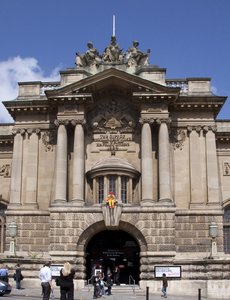
Bristol Museum - Art Gallery, بريستولBristol Museum - Art Gallery بريستول 1 The Mountains of Thermopylae
Toledo Museum of Art, طليطلةToledo Museum of Art طليطلة 1 Venosa
Rhode Island School of Design Museum of Art, بروفيدنسRhode Island School of Design Museum of Art بروفيدنس 1 Corfu from near the Village of Virós

أشهر لوحات إدوارد لير في كل عقد من الزمان

  1. 1830s
  2. 1840s
    Between Olavano and Civitella (1842) للفنان إدوارد لير
    المركز 16 من 100

    Between Olavano and Civitella

    العمر 28 – 37 · Yale Center for British Art

    Between Olavano and Civitella by Edward Lear presents a serene and atmospheric landscape. In the right foreground, a large, detailed tree dominates the composition, its heavy branches extending…

  3. 1850s
  4. 1860s
    Philae, Egypt (1863) للفنان إدوارد لير
    المركز 14 من 100

    Philae, Egypt

    العمر 48 – 57 · Yale Center for British Art

    Edward Lear's "Philae, Egypt, 1863" isn’t merely a landscape painting; it’s a portal. A meticulously rendered vista of the ancient Egyptian island city of Philae, nestled within the…

  5. 1870s
  6. 1880s
    The Plains of Lombardy from Monte Generoso (1880) للفنان إدوارد لير
    الترتيب 15 من 100

    The Plains of Lombardy from Monte Generoso

    العمر 68 – 76 · متحف آشمولين للفنون والآثار

    In the quiet majesty of The Plains of Lombardy from Monte Generoso, we are invited to stand upon a precipice of history and nature. Created in 1880 by…

أسئلة حول لوحات إدوارد لير

ما هي أشهر لوحة لـ إدوارد لير؟أظهر الإجابة

Cogoleto, Italy. يليهما Crescenza وBlue And Yellow Macaw.

ما هي أفضل 10 لوحات لـ إدوارد لير؟أظهر الإجابة

Cogoleto, Italy, Crescenza, Blue And Yellow Macaw, View of Taormina in Sicily with Etna in the distance, View of Bethlehem, The Pyramids of Ghizeh, The Temple of Apollo at Bassae, Plains Of Ashdod, Israel, View Of Eze, Italy و Ithaca, Ionian Islands. يوضح التصنيف أعلاه سنة الإنتاج والمتحف الخاص بكل منها.

كم عدد اللوحات التي رسمها إدوارد لير؟أظهر الإجابة

تضم قائمتنا 419 من أعمال إدوارد لير، التي يعود تاريخها من 1839 إلى 1884.

أين توجد أشهر لوحات إدوارد لير؟أظهر الإجابة

معظمها موجود في Yale Center for British Art (نيو هيفن), Government Art Collection (لندن) و متحف آشمولين للفنون والآثار (أوكسفورد). وتدرج القائمة أعلاه المتاحف واحداً تلو الآخر.

متى رسم إدوارد لير أشهر أعماله؟أظهر الإجابة

في 1860s: 14 من أصل 100 من الأعمال في هذه الصفحة تعود إلى ذلك التاريخ، من بينها Philae, Egypt.

ما هي أشهر لوحات إدوارد لير المبكرة والأخيرة؟أظهر الإجابة

أقدم لوحة في هذه الصفحة هي من عام Civita Castellana (1839)، وأحدثها من عام Argos from Mycene (1884).

ما هي أكثر المواضيع التي رسمها إدوارد لير؟أظهر الإجابة

Landscape (11), Scenes (11) و Italy (11)، من بين 100 من الأعمال في هذه الصفحة.

ما هي الوسيط الفني الذي استخدمه إدوارد لير بشكل أكبر؟أظهر الإجابة

Watercolor: 2 من أصل 100 من الأعمال في هذه الصفحة.

إلى أي حركة فنية ينتمي إدوارد لير؟أظهر الإجابة

Romanticism، كما تظهر اللوحات في هذه الصفحة.

ما هي لوحات إدوارد لير التي يمكنني رؤيتها في Yale Center for British Art؟أظهر الإجابة

تُعد Philae, Egypt, Between Olavano and Civitella و A Study of Ferns, Civitella من بين 14 عمل فني في هذه الصفحة محفوظة لدى Yale Center for British Art, نيو هيفن.

هل يمكنني شراء نسخة مكررة من لوحة لـ إدوارد لير؟أظهر الإجابة

نعم. يمكن طلب كل لوحة في هذه الصفحة كنسخة زيتية مرسومة يدوياً بجودة المتاحف أو كمطبوعة فنية فاخرة، بالمقاس الذي تختاره، وذلك من صفحة اللوحة نفسها.

حول إدوارد لير

Edward Lear (1812-1888): The Poet of Nonsense and Light

Edward Lear, a name synonymous with whimsical verse and delightfully peculiar illustrations, was far more than the purveyor of limericks and fantastical creatures that often define his legacy. Born in 1812 in Holloway, North London, into a family teeming with twenty-one children, Lear’s early life was marked by both financial instability and a burgeoning artistic talent. His father, Jeremiah Lear, faced hardship after the Napoleonic Wars, forcing young Edward to begin earning a living through his drawings at the tender age of fifteen. This necessity, however, ignited a lifelong passion that would see him traverse continents and capture the world in vibrant hues and playful lines. The shadow of familial difficulty, coupled with early health challenges – including epilepsy and bouts of melancholia he termed “the Morbids” – instilled within Lear a sense of gentle solitude and an inclination towards imaginative escape, qualities profoundly reflected in his art and writing. Lear's artistic journey began with meticulous precision. Initially employed by the Zoological Society, he honed his skills illustrating birds and animals, demonstrating a remarkable eye for detail and anatomical accuracy. This early work brought him to the attention of Edward Stanley, the 13th Earl of Derby, who commissioned Lear to document the exotic creatures within his private menagerie at Knowsley Hall. These years spent amongst lions, tigers, and parrots not only refined his draftsmanship but also fostered a deep connection with the natural world – a connection that would permeate his later landscapes. He possessed an extraordinary ability to render animals with breathtaking realism, capturing their textures, postures, and expressions with unparalleled sensitivity. This dedication to scientific observation served as a cornerstone of his artistic development, shaping his meticulous approach to detail even as he explored more expressive styles in his mature years.

From Ornithological Precision to Landscape’s Embrace

Lear's artistic journey began with meticulous precision. Initially employed by the Zoological Society, he honed his skills illustrating birds and animals, demonstrating a remarkable eye for detail and anatomical accuracy. This early work brought him to the attention of Edward Stanley, the 13th Earl of Derby, who commissioned Lear to document the exotic creatures within his private menagerie at Knowsley Hall. These years spent amongst lions, tigers, and parrots not only refined his draftsmanship but also fostered a deep connection with the natural world – a connection that would permeate his later landscapes. However, failing eyesight and respiratory issues eventually led him away from the exacting demands of ornithological illustration. He turned instead to landscape painting, embarking on extensive travels throughout Europe and beyond. Italy became a particular haven, offering not only respite for his health but also an abundance of inspiring vistas. His landscapes are characterized by a unique blend of topographical accuracy and atmospheric sensitivity, often rendered in delicate watercolors that capture the subtle nuances of light and shadow. He absorbed the colors and textures of these diverse regions, developing a distinctive style characterized by atmospheric perspective and delicate brushwork.

The Poet of Nonsense: A World Unbound

Lear’s literary contributions solidified his place in artistic history. While celebrated as a painter, it is perhaps for his poetic innovations that Edward Lear is most widely remembered. His “nonsense” poetry – particularly his limericks – revolutionized children’s literature and captivated audiences of all ages. *A Book of Nonsense*, published in 1846 under the pseudonym "Derry down Derry," introduced a world populated by owls and pussycats sailing in pea-green boats, dongs with luminous noses, and other delightfully absurd creations. These verses weren’t merely frivolous; they were imbued with a subtle melancholy and a playful subversion of conventional logic. Lear didn't simply invent nonsense words; he crafted entire worlds governed by their own internal rules, inviting readers to suspend disbelief and embrace the joy of imagination. He challenged conventions and liberated verse from rigid structures—a bold move that foreshadowed many developments in modern poetry. His limericks often explored themes of loneliness, longing, and the absurdity of existence, cloaked within a veneer of whimsicality. Lear’s influence extended far beyond the confines of children's literature. He pioneered a new form of poetic expression, liberating verse from rigid structures and embracing playful experimentation. His landscapes, though often overshadowed by his poetry, demonstrated a keen artistic sensibility and a mastery of watercolor technique. He was a true polymath – artist, illustrator, musician (he composed musical settings for Tennyson’s poems), author, and poet – whose diverse talents converged to create a unique and enduring legacy. His paintings can be found in esteemed collections like The Ashmolean Museum, Oxford, a testament to his skill as a landscape artist. Lear's life, marked by both personal struggles and creative triumphs, serves as a poignant reminder that even amidst darkness, there is always room for light, laughter, and the boundless possibilities of the human spirit. He died peacefully in January 1888 at Dulwich Village, London, leaving behind an unparalleled body of work—a testament to his visionary genius and enduring charm.

جميع أعمال 419 لـ إدوارد لير →