أنطوني فان ديك, 1599 – 1641

أنطوني فان ديك: The 100 Most Famous Paintings

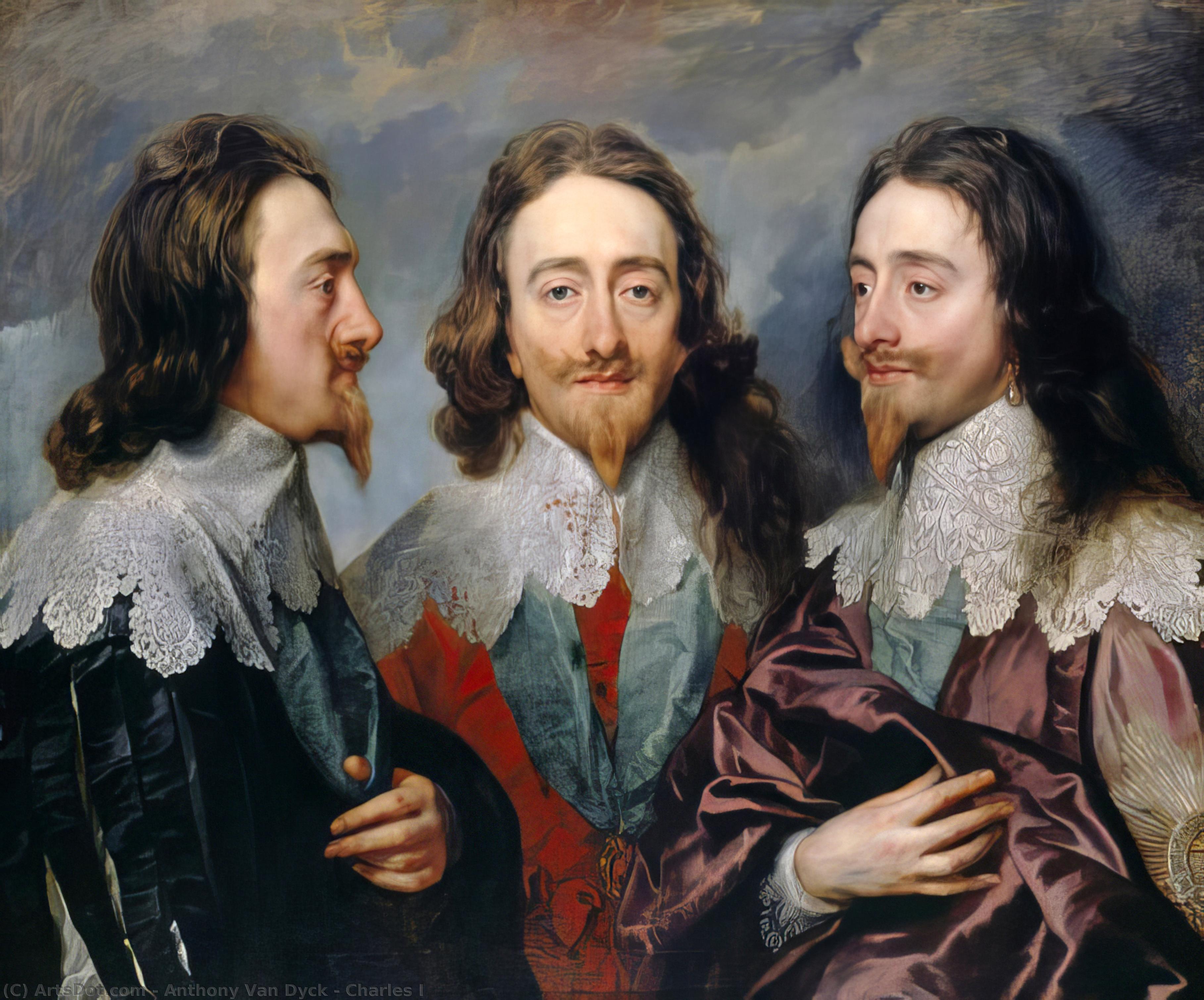
الملك تشارلز الأول في ثلاثة أوضاع (1636) is the most famous painting by أنطوني فان ديك, held by the Royal Collection in لندن. Family Portrait (1621) and Portrait of Isabella Clara Eugenia as Widow (1628) are the next two works the world knows best. From the 1,620 works of أنطوني فان ديك in our catalogue, here are the 100 that collectors and museum visitors look at most, with the year, the museum and the story of each.

تُصنف الأعمال بناءً على درجة شعبيتنا، التي تجمع بين عمليات البحث والزيارات والطلبات لكل عمل فني. تم التحديث في أكتوبر 2026. Every masterpiece on this page can be ordered as a museum-quality, hand-painted oil reproduction or a fine art print, at the size you choose.

بورتريه لـ أنطوني فان ديك
أنطوني فان ديك · 1599 – 1641
تاريخ الميلاد · تاريخ الوفاة
1599 – 1641, أنتويرب
حركة
الباروك
الأعمال الموجودة في كتالوجنا
1620
الأكثر شهرة
الملك تشارلز الأول في ثلاثة أوضاع (1636)
أكبر عدد من الأعمال في
مجموعات بافاريا الحكومية للرسم

Top 10: أنطوني فان ديك's best-known paintings

الملك تشارلز الأول في ثلاثة أوضاع (1636) للفنان أنطوني فان ديك
1

الملك تشارلز الأول في ثلاثة أوضاع

1636 · زيت على قماش · Royal Collection, لندن

تعد لوحة "الملك تشارلز الأول في ثلاثة أوضاع" نموذجاً استثنائياً يجسد براعة السير أنتوني فان دايك في فن رسم البورتريه خلال العصر الباروكي. هذه التحفة المرسومة بالزيت على القماش بين عامي 1635 و1636، تستعرض المهارة الفائقة لهذا الفنان الفلمنكي وتأثيره العميق في تاريخ الفن الأوروبي. واليوم، تفخر المجموعة الملكية العريقة باحتضان هذا العمل، حيث تُعرض اللوحة في قاعة الملك الرسمية بقلعة ويندسور.

Family Portrait (1621) للفنان أنطوني فان ديك
2

Family Portrait

1621 · Oil On Canvas · متحف الإرميتاج, سانت بطرسبرغ

To gaze upon this magnificent family portrait is to step directly into the opulent drawing rooms of the early seventeenth century. It captures not merely three figures—a distinguished man, an elegant woman, and a cherished child—but an entire tableau of familial pride and societal standing. The composition itself speaks volumes; every fold of fabric, every carefully placed hand, contributes to a narrative of enduring connection. The rich, dramatic red background…

Portrait of Isabella Clara Eugenia as Widow (1628) للفنان أنطوني فان ديك
3

Portrait of Isabella Clara Eugenia as Widow

1628 · Oil On Canvas · متحف بونسي للفنون, بونسي

Sir Anthony van Dyck’s “Portrait of Isabella Clara Eugenia as Widow” is more than just a depiction of a noblewoman; it's a carefully constructed tableau of power, grief, and the enduring legacy of a formidable ruler. Painted in 1628, this oil-on-canvas work transports us to the heart of the Spanish Netherlands during a period of significant political and personal upheaval. Isabella Clara Eugenia, daughter of Philip II of Spain, served…

Jacqueline van Caestre (1622) للفنان أنطوني فان ديك
4

Jacqueline van Caestre

1622 · Oil On Panel · Royal Łazienki Museum, وارسو

The portrait of Jacqueline van Caestre, painted in 1622 by the masterful Sir Anthony van Dyck, is more than a mere likeness; it’s a carefully constructed tableau of wealth, status, and burgeoning domesticity. Within its richly layered composition lies a captivating story of a noblewoman navigating the complexities of marriage and courtly life in 17th-century Antwerp. Van Dyck, already establishing his signature style—characterized by an almost sensual realism and a…

Susanna and the Elders (1622) للفنان أنطوني فان ديك
5

Susanna and the Elders

1622 · زيت على قماش · Alte Pinakothek, ميونخ

In the grand tapestry of the Flemish Baroque, few works capture the visceral intersection of vulnerability and voyeurism as profoundly as Sir Anthony van Dyck’s Susanna and the Elders. Painted around 1622, this monumental canvas is far more than a mere biblical illustration; it is a psychological drama frozen in time. The scene centers on Susanna, a figure of profound grace and purity, caught in a moment of harrowing intrusion.…

Genoese Noblewoman (1622) للفنان أنطوني فان ديك
6

Genoese Noblewoman

1622 · Oil On Canvas · مجموعة فريك, مدينة نيويورك

Anthony van Dyck's "Genoese Noblewoman," painted circa 1625-1627, isn’t merely a portrait; it’s a meticulously crafted window into the opulent world of early 17th-century Genoa. This captivating work, now residing within The Frick Collection in New York City, offers a rare glimpse into the refined tastes and social dynamics of a wealthy Italian city-state – a vibrant hub of commerce, art, and cultural exchange during a period of immense artistic…

Henrietta Maria (1635) للفنان أنطوني فان ديك
7

Henrietta Maria

1635 · Oil On Canvas

The gaze of Henrietta Maria meets the viewer through this commanding portrait by Anthony van Dyck. Executed in 1636, the work captures Henrietta Maria of France in a moment of poised royal dignity. She exists here as the Queen of England, a position she holds through her marriage to King Charles I. The painting functions as a visual declaration of her status and her presence within the English court.

Portrait of Queen Henrietta-Maria (1638) للفنان أنطوني فان ديك
8

Portrait of Queen Henrietta-Maria

1638 · Oil On Canvas · متحف الإرميتاج, سانت بطرسبرغ

To stand before this portrait is to encounter the quiet gravity of the seventeenth-century English court. The Queen stands slightly off-center, her figure anchored by the heavy weight of crimson drapery and a draped table. There is a certain stillness here, a moment caught between the political tensions of 1638 and the personal dignity of the sitter. Van Dyck uses light to sculpt her form, pulling her face and chest…

The healing of the paralytic (1620) للفنان أنطوني فان ديك
9

The healing of the paralytic

In this oil painting, titled The healing of the paralytic, Anthony van Dyck explores a moment of profound spiritual intervention. The work, which dates to about 1618-20, captures the immediate aftermath of a miracle. We find ourselves witnessing the precise instant of transition between infirmity and restoration. The subject matter is drawn from the New Testament, specifically the narratives found in Matthew 9:1-8 or John 5:1-15.

Portrait of Alexandre della Faille (1589-1653) (1632) للفنان أنطوني فان ديك
10

Portrait of Alexandre della Faille (1589-1653)

A dignified three-quarter length portrait, this work captures a middle-aged man positioned centrally against a dark, atmospheric background. The subject, Alexandre della Faille, is rendered with a sense of quiet authority and formal composure. A voluminous white ruff collar acts as the primary focal point, its crisp texture contrasting sharply against the heavy, dark fabric of his cloak. Light enters from the upper left, casting soft shadows across the right…

The rest of the أنطوني فان ديك ranking, 11 to 100

The Pietà (1629) للفنان أنطوني فان ديك
#12

The Pietà

1629 · متحف برادو

Step closer to observe the weight of this scene. In this 1629 composition, we find the Virgin Mary cradling the limp, pale body of Christ. The arrangement is…

Order a reproduction →
The Lomellini Family (1627) للفنان أنطوني فان ديك
#16

The Lomellini Family

1627

To stand before 'The Lomellini Family' is to step directly into the gilded drawing rooms of 17th-century Genoese aristocracy. Anthony van Dyck, a painter whose elegance seemed to…

Order a reproduction →
Moses and the Brazen Serpent (1530) للفنان أنطوني فان ديك
#19

Moses and the Brazen Serpent

1530

Moses and the Brazen Serpent by Anthony van Dyck captures a moment of divine intervention from the Book of Numbers. The oil painting on canvas depicts the biblical…

Samson and Delilah (1630) للفنان أنطوني فان ديك
#24

Samson and Delilah

1630 · متحف الفنون التاريخية

In the grand tapestry of the Flemish Baroque, few moments capture the tension between divine strength and human frailty as poignantly as Sir Anthony van Dyck’s Samson and…

Bring it home →
Charles I (1600-49) on Horseback (1635) للفنان أنطوني فان ديك
#26

Charles I (1600-49) on Horseback

1635 · قصر هامبتون كورت

The scene unfolds with the commanding presence of Charles I (1600-49) on Horseback, a work by the artist Anthony van Dyck. Created in 1635, the portrait captures the…

Bring it home →
Cupid and Psyche (1640) للفنان أنطوني فان ديك
#27

Cupid and Psyche

1640 · Royal Collection

Anthony van Dyck's "Cupid and Psyche," painted in 1640, is more than just a depiction of a mythological romance; it’s a distillation of the Baroque spirit – a…

Bring it home →
Queen Henrietta Maria of England (1620) للفنان أنطوني فان ديك
#28

Queen Henrietta Maria of England

1620 · مجموعات بافاريا الحكومية للرسم

In this three-quarter length portrait, Anthony van Dyck positions Queen Henrietta Maria of England slightly off-center. This subtle shift creates a quiet tension within the frame. A luminous…

Bring it home →
A Family Group (1634) للفنان أنطوني فان ديك
#29

A Family Group

1634 · معهد ديترويت للفنون

A Family Group is an oil on canvas painting by the Flemish artist Anthony van Dyck. This work dates to about 1634. It is a formal and elegant…

Commission a hand-painted copy →
Queen Henrietta Maria of England (1639) للفنان أنطوني فان ديك
#30

Queen Henrietta Maria of England

1639 · Statens Museum For Kunst

Queen Henrietta Maria of England, painted by Anthony van Dyck, captures the queen consort of Charles I. Dated 1636, the portrait presents the woman who was born in…

Bring it home →
Saint Sebastian and the Angel (1631) للفنان أنطوني فان ديك
#31

Saint Sebastian and the Angel

1631 · Galleria Sabauda

A diagonal line cuts through the composition, pulling the eye from the descending angel down to the slumped, pale form of Saint Sebastian. The saint’s skin is luminous,…

Bring it home →
Portrait of a painter (1640) للفنان أنطوني فان ديك
#32

Portrait of a painter

1640 · Kunstmuseum Basel

We are looking at Portrait of a painter, a work by Sir Anthony van Dyck. Created about 1640, this piece presents a man whose identity is tied closely…

Bring it home →
Queen Henrietta Maria (1635) للفنان أنطوني فان ديك
#33

Queen Henrietta Maria

1635 · المتحف القومى الدريصدين

Queen Henrietta Maria is an oil on canvas portrait by Sir Anthony van Dyck, executed in 1636. The work identifies the subject as Henrietta Maria of France, who…

Commission a hand-painted copy →
St Jerome (1620) للفنان أنطوني فان ديك
#35

St Jerome

1620 · المتحف الوطني

The composition centers on the muscular, elderly figure of St. Jerome, positioned in a wilderness setting. His torso is partially exposed, draped in a voluminous red cloth that…

Order a reproduction →
Venetia, Lady Digby (1634) للفنان أنطوني فان ديك
#36

Venetia, Lady Digby

1634

To stand before this magnificent portrait is to step directly into the dramatic heart of the seventeenth century. Sir Anthony van Dyck’s depiction of Venetia, Lady Digby is…

Order a reproduction →
Crucifixion (1622) للفنان أنطوني فان ديك
#38

Crucifixion

1622 · سان زاكاريا

Sir Anthony van Dyck's 1622 depiction of the Crucifixion is not merely a representation of a biblical event; it’s a visceral exploration of human suffering and spiritual anguish,…

Commission a hand-painted copy →
Ottaviano Canevari (1627) للفنان أنطوني فان ديك
#40

Ottaviano Canevari

1627 · مجموعة فريك

Sir Anthony van Dyck’s 1627 portrait of Ottaviano Canevari is more than simply a likeness; it's a carefully constructed tableau of intellect, status, and the quiet dignity of…

Bring it home →
Lamentation of Christ (1620) للفنان أنطوني فان ديك
#41

Lamentation of Christ

1620 · مجموعات بافاريا الحكومية للرسم

In this 1620 work, we find ourselves drawn into a tight, pyramidal arrangement of figures that centers entirely on the lifeless body of Christ. A heavy, sacred silence…

Commission a hand-painted copy →
Saint Sebastian (1620) للفنان أنطوني فان ديك
#44

Saint Sebastian

1620 · مجموعات بافاريا الحكومية للرسم

The oil on canvas known as Saint Sebastian is an artwork by Anthony van Dyck. Created about 1620, the painting captures a moment of martyrdom. The figure is…

Order a reproduction →
The Martyrdom of Saint Sebastian (1616) للفنان أنطوني فان ديك
#45

The Martyrdom of Saint Sebastian

1616 · مجموعات بافاريا الحكومية للرسم

The Martyrdom of Saint Sebastian emerges from the shadows of the Baroque era, a religious work that captures a moment of profound transition. In this painting by Sir…

Order a reproduction →
Sir Kenelm Digby (1640) للفنان أنطوني فان ديك
#47

Sir Kenelm Digby

1640 · المعرض الوطني للصور

To gaze upon this portrait of Sir Kenelm Digby is to step directly into the opulent, charged atmosphere of the early seventeenth century English court. The subject, depicted…

Commission a hand-painted copy →
Portrait of an Old Man (1618) للفنان أنطوني فان ديك
#49

Portrait of an Old Man

1618 · Liechtenstein Museum

Sir Anthony van Dyck's "Portrait of an Old Man," painted circa 1618, is more than a simple likeness; it’s a profound meditation on time, wisdom, and the quiet…

Order a reproduction →
Portrait of a Man (1922) للفنان أنطوني فان ديك
#50

Portrait of a Man

1922 · مجموعات بافاريا الحكومية للرسم

This work is a Portrait of a Man by the Flemish Baroque artist Anthony van Dyck. Dated 1922, the painting presents a formal, full-length composition. The subject is…

Order a reproduction →
Charles I in Three Positions (1636) للفنان أنطوني فان ديك
#51

Charles I in Three Positions

1636 · Royal Collection

In the grand tapestry of Baroque portraiture, few works command the room with as much quiet authority as Sir Anthony van Dyck’s “Charles I in Three Positions.” Completed…

Order a reproduction →
Portrait of a Genovese Gentleman (1621) للفنان أنطوني فان ديك
#53

Portrait of a Genovese Gentleman

1621 · Gemäldegalerie

To stand before this portrait is to step directly into the opulent, sophisticated world of early 17th-century European aristocracy. Sir Anthony van Dyck, the Flemish master whose brushstrokes…

Order a reproduction →
The Martyrdom of Saint Sebastian (1620) للفنان أنطوني فان ديك
#56

The Martyrdom of Saint Sebastian

1620 · مجموعات بافاريا الحكومية للرسم

The Martyrdom of Saint Sebastian emerges from the shadows as a profound piece of religious art by Sir Anthony van Dyck. In this scene, the saint faces his…

Order a reproduction →
Portrait of a Man (1618) للفنان أنطوني فان ديك
#58

Portrait of a Man

1618 · Liechtenstein Museum

Sir Anthony van Dyck's “Portrait of a Man,” painted circa 1618-1619, is not merely a likeness; it’s a carefully constructed meditation on presence and authority. This small yet…

Commission a hand-painted copy →
Marie de Raet (1631) للفنان أنطوني فان ديك
#59

Marie de Raet

1631 · Wallace Collection

To stand before Marie de Raet is to be enveloped in the profound stillness of the early seventeenth century. This magnificent portrait by Sir Anthony van Dyck, dating…

Bring it home →
The Virgin and Child (1631) للفنان أنطوني فان ديك
#63

The Virgin and Child

1631 · قصر باكنغهام

In this Baroque oil painting, the Virgin Mary is positioned at the center of a pyramidal structure, cradling the Christ Child. She wears a rose-colored tunic beneath a…

Order a reproduction →
Lord George Stuart (1638) للفنان أنطوني فان ديك
#64

Lord George Stuart

1638 · المعرض الوطني للصور

To gaze upon this portrait of Lord George Stuart is to step directly into the opulent, yet deeply thoughtful, world of early seventeenth-century English aristocracy. Sir Anthony van…

Order a reproduction →
Queen Henrietta Maria (1760) للفنان أنطوني فان ديك
#66

Queen Henrietta Maria

1760 · Birmingham Museum and Art Gallery

In this oil on canvas work from 1636, Sir Anthony van Dyck presents Queen Henrietta Maria. The portrait captures the queen, who lived from 1609 to 1669, with…

Order a reproduction →
The Polish Rider (1620) للفنان أنطوني فان ديك
#69

The Polish Rider

1620 · مجموعات بافاريا الحكومية للرسم

The composition is dominated by the diagonal movement of the horse and rider. This movement creates a sense of forward momentum across the canvas. The subject is a…

Order a reproduction →
الملكة هنرييتا ماريا (1636) للفنان أنطوني فان ديك
#73

الملكة هنرييتا ماريا

1636 · متحف المتروبوليتان للفنون

تُعد لوحة "الملكة هنرييتا ماريا" التي رسمها أنتوني فان ديك عام 1636 أكثر من مجرد بورتريه عابر؛ فهي وثيقة صيغت بدقة متناهية لتجسد معاني القوة، والإيمان، والرقصة الدبلوماسية…

Order a reproduction →
Lady Dacre (1633) للفنان أنطوني فان ديك
#74

Lady Dacre

1633 · متحف دنفر للفنون

Sir Anthony van Dyck’s “Lady Dacre” is not merely a portrait; it's a carefully constructed tableau of Renaissance elegance, imbued with subtle symbolism and the quiet dignity of…

Commission a hand-painted copy →
Charles i - (16) للفنان أنطوني فان ديك
#76

Charles i - (16)

In this work, titled Charles i - (16), Anthony van Dyck presents a formal bust-length depiction of the monarch. The subject is Charles I, who held the titles…

Bring it home →
Deux têtes d (1650) للفنان أنطوني فان ديك
#77

Deux têtes d

1650 · متحف الفنون الجميلة في ليون

Sir Anthony van Dyck's "Deux têtes d" – literally, “Two Heads” – is not merely a painting; it’s an arresting tableau of psychological depth and subtle drama. Completed…

Bring it home →
Christ carrying the Cross للفنان أنطوني فان ديك
#83

Christ carrying the Cross

Musei di Strada Nuova

In Christ carrying the Cross by Anthony van Dyck, the viewer is met with a tightly cropped, bust-length portrait. The composition focuses entirely on the upper torso and…

Bring it home →
Ecce Homo (1626) للفنان أنطوني فان ديك
#85

Ecce Homo

1626 · The Barber Institute of Fine Arts

Sir Anthony van Dyck’s “Ecce Homo,” painted circa 1625-1626, is not merely a depiction of Christ before Pilate; it's an intensely human portrayal of sorrow, humility, and the…

Bring it home →
Margareta Snyders (1620) للفنان أنطوني فان ديك
#86

Margareta Snyders

1620

To gaze upon Anthony Van Dyck's portrait of Margareta Snyders is to step directly into the opulent, emotionally charged world of the early seventeenth century. This painting, executed…

Bring it home →
Margareta de Vos (1620) للفنان أنطوني فان ديك
#87

Margareta de Vos

1620 · مجموعة فريك

Sir Anthony van Dyck’s “Margareta de Vos,” painted in 1620, is more than just a portrait; it's a meticulously crafted tableau of wealth, status, and subtle artistry. This…

Order a reproduction →
Portrait of a Man (1618) للفنان أنطوني فان ديك
#90

Portrait of a Man

1618 · Liechtenstein Museum

In this formal portrait from 1618, Sir Anthony van Dyck presents a man positioned slightly off-center, facing forward to engage the viewer directly. The composition is characterized by…

Bring it home →
Portrait of James Hamilton (1630) للفنان أنطوني فان ديك
#92

Portrait of James Hamilton

1630 · Liechtenstein Museum

A Noble Presence: Unveiling Anthony van Dyck’s Portrait of James Hamilton The image before you captures not merely a likeness, but the very essence of 17th-century power and…

Bring it home →
Charles I on Horseback (1635) للفنان أنطوني فان ديك
#93

Charles I on Horseback

1635 · المعرض الوطني

Sir Anthony van Dyck's “Charles I on Horseback,” painted in 1635, is more than just a portrait; it’s a carefully constructed statement about power, authority, and the evolving…

Bring it home →
The Lomellini Family (1626) للفنان أنطوني فان ديك
#96

The Lomellini Family

1626 · المعرض الوطني في اسكتلندا

To stand before Sir Anthony van Dyck’s “The Lomellini Family” is to step directly into the gilded drawing rooms of seventeenth-century Genoa, where the air feels heavy with…

Commission a hand-painted copy →
سامسون وديليلة (1620) للفنان أنطوني فان ديك
#97

سامسون وديليلة

1620

مشهد درامي من التراث: قصة سامسون وديليلة في لوحة أنتوني فان دايك تُعد لوحة "سامسون وديليلة" لإنتوني فان دايك تحفة فنية فريدة، تجسد قصةً أسطوريةً مليئة بالخيانة والندم،…

Order a reproduction →
Abraham and Isaac (1617) للفنان أنطوني فان ديك
#98

Abraham and Isaac

1617 · الغاليري الوطني

Sir Anthony van Dyck's “Abraham and Isaac,” painted in 1617, is more than just a biblical scene; it’s a profound meditation on faith, obedience, and the agonizing weight…

Commission a hand-painted copy →
Portrait of Anna van Craesbecke (1635) للفنان أنطوني فان ديك
#99

Portrait of Anna van Craesbecke

1635 · Staatliche Museen

Sir Anthony van Dyck’s “Portrait of Anna van Craesbecke,” painted in 1635, is more than just a likeness; it's a meticulously crafted tableau of aristocratic life and the…

Bring it home →
A wooded ridge (1630) للفنان أنطوني فان ديك
#100

A wooded ridge

1630 · Art Gallery of South Australia

Sir Anthony van Dyck's "A Wooded Ridge," painted around 1630, isn’t merely a landscape; it’s an invitation into a hushed and contemplative realm. This evocative piece, rendered in…

Bring it home →

أنطوني فان ديك's paintings by period

The subjects أنطوني فان ديك painted most

The four subjects that return most often among these masterpieces, with the finest example of each.

Where to see أنطوني فان ديك's paintings

المتاحف الـ 8 التي تضم أكبر عدد من اللوحات الموجودة في هذه الصفحة.

المتحف المدينة أعمال أنطوني فان ديك لوحات من هذه القائمة
مجموعات بافاريا الحكومية للرسم, ميونخمجموعات بافاريا الحكومية للرسم ميونخ 57 The healing of the paralytic, Equestrian Portrait of Charles I of England, Queen Henrietta Maria of England
متحف الإرميتاج, سانت بطرسبرغمتحف الإرميتاج سانت بطرسبرغ 25 Family Portrait, Portrait of Queen Henrietta-Maria, Portrait of Charles I, King of the Great Britain (1600-1649)
Royal Collection, لندنRoyal Collection لندن 29 الملك تشارلز الأول في ثلاثة أوضاع, Cupid and Psyche, Charles I in Three Positions
Liechtenstein Museum, فييناLiechtenstein Museum فيينا 23 Portrait of an Old Man, Portrait of a Man, Portrait of a Man
مجموعة فريك, مدينة نيويوركمجموعة فريك مدينة نيويورك 8 Genoese Noblewoman, Ottaviano Canevari, Margareta de Vos
Wallace Collection, لندنWallace Collection لندن 9 Queen Henrietta Maria, Marie de Raet
المعرض الوطني للصور, لندنالمعرض الوطني للصور لندن 6 Sir Kenelm Digby, Lord George Stuart
Scottish National Portrait Gallery, إدنبرةScottish National Portrait Gallery إدنبرة 5 Thomas Hamilton, 2nd Earl of Haddington, 1600 - 1640, Alexander Henderson (c.1583–1646), Presbyterian Divine and Diplomatist

أنطوني فان ديك through the decades: one masterpiece for each

  1. 1610s
    The Martyrdom of Saint Sebastian (1616) للفنان أنطوني فان ديك
    #45 of 100

    The Martyrdom of Saint Sebastian

    العمر 11 – 20 · مجموعات بافاريا الحكومية للرسم

    The Martyrdom of Saint Sebastian emerges from the shadows of the Baroque era, a religious work that captures a moment of profound transition. In this painting by Sir…

  2. 1620s
    Family Portrait (1621) للفنان أنطوني فان ديك
    #2 of 100

    Family Portrait

    العمر 21 – 30 · متحف الإرميتاج

    To gaze upon this magnificent family portrait is to step directly into the opulent drawing rooms of the early seventeenth century. It captures not merely three figures—a distinguished…

  3. 1630s
    الملك تشارلز الأول في ثلاثة أوضاع (1636) للفنان أنطوني فان ديك
    Rank 1 / 100

    الملك تشارلز الأول في ثلاثة أوضاع

    العمر 31 – 40 · Royal Collection

    تعد لوحة "الملك تشارلز الأول في ثلاثة أوضاع" نموذجاً استثنائياً يجسد براعة السير أنتوني فان دايك في فن رسم البورتريه خلال العصر الباروكي. هذه التحفة المرسومة بالزيت على…

  4. 1640s
    Queen Henrietta Maria (1640) للفنان أنطوني فان ديك
    No. 17 of 100

    Queen Henrietta Maria

    العمر 41 – 42 · Wallace Collection

    The Queen sits in a moment of quiet poise, her figure angled slightly away from the viewer to create a sense of graceful movement. She is draped in…

أنطوني فان ديك's paintings: frequently asked questions

What is the most famous أنطوني فان ديك painting?Show the answer

الملك تشارلز الأول في ثلاثة أوضاع (1636), Royal Collection, لندن. Next come Family Portrait (1621) and Portrait of Isabella Clara Eugenia as Widow (1628).

At what age did أنطوني فان ديك paint الملك تشارلز الأول في ثلاثة أوضاع?Show the answer

37 years old: الملك تشارلز الأول في ثلاثة أوضاع dates from 1636 and أنطوني فان ديك was born in 1599.

Which are the 10 most famous أنطوني فان ديك paintings?Show the answer

الملك تشارلز الأول في ثلاثة أوضاع, Family Portrait, Portrait of Isabella Clara Eugenia as Widow, Jacqueline van Caestre, Susanna and the Elders, Genoese Noblewoman, Henrietta Maria, Portrait of Queen Henrietta-Maria, The healing of the paralytic و Portrait of Alexandre della Faille (1589-1653). The ranking above gives the year and the museum of each.

How many paintings by أنطوني فان ديك are there?Show the answer

Our catalogue lists 1,620 works by أنطوني فان ديك, dated from 1616 to 1641.

Where can I see the most famous أنطوني فان ديك paintings?Show the answer

Most of them are in مجموعات بافاريا الحكومية للرسم (ميونخ), متحف الإرميتاج (سانت بطرسبرغ) و Royal Collection (لندن). The table above lists the museums one by one.

In which period did أنطوني فان ديك paint the best-known works?Show the answer

In 1630s: 44 of the 100 works on this page date from then, among them الملك تشارلز الأول في ثلاثة أوضاع.

What is the earliest famous أنطوني فان ديك painting, and the latest?Show the answer

The earliest on this page is The Martyrdom of Saint Sebastian (1616), the latest Portrait of Prince Charles Louis, Elector Palatine (1641).

What subjects did أنطوني فان ديك paint?Show the answer

Man (22), Portraiture (20) و Portrait (17), among the 100 works on this page.

What did أنطوني فان ديك paint on, and with what?Show the answer

Oil On Canvas: 75 of the 100 works on this page.

Which movement does أنطوني فان ديك's art belong to?Show the answer

الباروك, as the paintings on this page show.

What أنطوني فان ديك paintings does the مجموعات بافاريا الحكومية للرسم hold?Show the answer

The healing of the paralytic, Equestrian Portrait of Charles I of England و Queen Henrietta Maria of England are among the 10 works on this page held by the مجموعات بافاريا الحكومية للرسم, ميونخ.

Where can I buy a أنطوني فان ديك reproduction?Show the answer

Yes. Every painting on this page can be ordered as a museum-quality, hand-painted oil reproduction or a fine art print, in the size you choose, from the painting's own page.

أنطوني فان ديك: biography

الحياة المبكرة، العائلة والتدريب

في مدينة أنتويرب، وتحديداً في الثاني والعشرين من مارس عام 1599، وُلد السير أنتوني فان دايك ليدخل عالمًا يضج بالحركة والتجارة والحرف اليدوية. كان الطفل السابع من بين اثني عشر طفلاً لأم تُدعى ماريا كوبرز وأب هو فرانسوا "فرانس" فان دايك، الذي كان يعمل في تجارة الحرير. هذا النشأة في كنف أسرة ميسورة الحال وفرت أساساً مستقراً لطفل أظهر موهبة مبكرة وفطرية في الفنون البصرية؛ فبحلول سن العاشرة، بدأت رحلته التعليمية الرسمية في فنون الرسم تحت إشراف المعلم هندريك فان بالين الأكبر.

تميز مسار تطوره بصعود سريع ومذهل عبر الهياكل التقليدية لعالم الفن الفلامندي؛ فلم يطل مكوثه في مرتبة التلميذ فحسب، إذ سمحت له براعته التقنية بالتحرك نحو الاستقلال الفني بسرعة لافتة. وبحلول الثامن عشر من أكتوبر عام 1617، حقق إنجازاً مهنياً فارقاً بقبوله في نقابة سانت لوك في أنتويرب كمعلم حر. وكان هذا الاعتراف المهني المبكر بمثابة إعلان عن بزوغ نجم موهبة فذة، كانت على وشك تجاوز حدود مسقط رأسها لتغزو آفاقاً أوسع.

  • بورتريه ذاتي (مؤرخ بين 1613–1614)

تأثير بيتر بول روبنز

لقد تشكل مسار مسيرة أنتوني فان دايك المهنية بشكل جوهري خلال فترة عمله في مرسم المعلم بيتر بول روبنز. لم تكن تلك الفترة مجرد فترة تدريب عادية، بل ارتقى الفنان الشاب ليصبح المساعد الأول للمعلم، وهو منصب تطلب دقة تقنية فائقة وقدرة استثنائية على استيعاب لغة بصرية معقدة. وقد أدرك روبنز نفسه الموهبة الفذة لتلميذه، واصفاً الشاب بأنه من بين أفضل تلاميذه. لقد منحت هذه الممارسة الفنية لأنتوني فان دايك اتصالاً مباشراً بالتيارات الفنية الرائدة في القرن السابع عشر، مما أتاح له مراقبة عملية ابتكار التكوينات الفنية الضخمة وإدارة ورشة عمل فنية غزيرة الإنتاج عن كثب.

تجسد تأثير روبنز على الفنان الشاب من خلال التركيز المشترك على التعبير، والإيماءة، والشكل. وبينما عُرف أنتوني فان دايك لاحقاً بتطوير أسلوب أكثر رقة واتزاناً، إلا أن سنواته الأولى قضى في محاكاة حيوية ومنهجية معلمه في الملاحظة. لقد تعلم كيف يترجم نبض الحياة إلى زيت وأصباغ، وهي المهارة التي سمحت له لاحقاً بتجاوز الطاقة الجامحة التي ميزت أسلوب روبنز نحو أسلوب أكثر دقة وعمقاً. إن الأسس التقنية التي وُضعت في ذلك المرسم هي التي وفرت له الأدوات الضرورية لصعوده المرتقب إلى البلاطات الملكية في أوروبا.

رحلاته الفنية في إيطاليا وجنوى

بحلول أواخر مراهقته، كان أنتوني فان دايك قد حقق بالفعل نجاحاً لافتاً كرسام مستقل، وهو إنجاز منحته الزخم اللازم للانطلاق بعيداً عن الأراضي المنخفضة. وبين عامي 1621 وأواخر عام 1627، جاب أنحاء إيطاليا، وهي فترة كانت بمثابة صقل لقدرته على التنقل عبر الهياكل الاجتماعية المعقدة للنبلاء الأوروبيين. لم تكن تلك الحقبة من السفر مجرد ترحال عابر، بل كانت انغماساً استراتيجياً في اللغة البصرية التي ميزت نخبة حوض البحر الأبيض المتوسط.

وقد أثبتت إقامته في جنوى أهمية استثنائية في مسيرته؛ حيث وجد قاعدة عملاء مستقرة بين طبقة النبلاء في جنوى، الذين تلاقت حساسيتهم الأرستقراطية مع أسلوبه الفني الآخذ في التطور. وقد حظيت تصويراته لهذه العائلات المحلية بتقدير كبير في المدينة، مما رسخ مكانته كرسام قادر على تجسيد الوقار الخاص الذي تتطلبه الطبقات الراقية. وفي هذه البورتريهات، تجاوز أنتوني فان دايك مجرد نقل الملامح الشبيهة، ليتعمق في تجسيد المكانة الاجتماعية والجوهر الشخصي لمن رسمهم.

الخدمة في البلاط الإنجليزي

بدأت علاقة أنتوني فان دايك بالتاج الإنجليزي قبل وقت طويل من استقراره الدائم في لندن؛ ففي عام 1620، دخل في خدمة الملك جيمس الأول، في مهمة قصيرة سبقت رحلاته الواسعة عبر إيطاليا والممالك الهولندية الإسبانية. كانت سنوات التنقل وتعدد التكليفات الفنية بمثابة إعداد له لوصول أكثر عمقاً وتأثيراً، فبحلول عام 1632، كان قد عاد إلى إنجلترا ليستقر في البلاط الذي ستترسخ فيه سمعته كأبرز رسامي البورتريه. وفي العام نفسه، عُين "الرسام الرئيسي الرسمي لأصحاب الجلالة"، وهو منصب وضعه في قلب الحياة الملكية النابضة.

لقد أحدث وجوده في لندن تحولاً جذرياً في اللغة البصرية للملكية؛ حيث ابتعد عن أسلوب البورتريه الجامد والرسمي الذي ساد في الماضي، واختار بدلاً من ذلك تقديم الملك والطبقة الأرستقراطية بهالة من الأناقة العفوية والهيبة الطاغية. وبفضل قدرته الفائقة على التقاط جوهر الشخصية لمرسوماته، أصبح الرسام الأول في البلاط الإنجليزي. لم يكن أنتوني فان دايك يكتفي بمجرد تسجيل الملامح، بل كان يصيغ صورة متكاملة للقوة، صورة ستظل تلهم البلاط الإنجليزي لأجيال متعاقبة، حيث منحت أعماله في تلك الحقبة إحساساً بالوقار والرزانة التي حددت الملامح الجمالية لذلك العصر.

التقنية والأسلوب الفني

امتلك أنتوني فان دايك مرونة تقنية مذهلة، مكنته من التنقل بسلاسة فائقة بين كثافة ضربات الفرشاة في الألوان الزيتية وبين الخطوط الدقيقة والحادة في فن الحفر. وبصفته رساماً بارعاً، كان يدرك تماماً الضرورة الهيكلية لوجود أساس متين قبل البدء في وضع الألوان؛ لذا كانت تكويناته تعتمد غالباً على ترتيب متقن للأشكال، مستخدماً التلاعب الدرامي بين الضوء والظل لتحديد ملامح وجوانب شخصياته. هذا الاستخدام المبدع لأسلوب "الكياروسكورو" (التضاد بين الضوء والظلال) منح أعماله إحساساً بالعمق والحجم، لا سيما في مشاهده الدينية والميثولوجية، حيث يبدو الضوء وكأنه ينبثق من عتمة السواد ليسلط الضوء على إيماءة معينة أو تعبير وجهي محدد.

تميزت لوحة ألوانه بعمق الألوان وتشبعها، مع اهتمام فائق بأدق تفاصيل الملمس؛ فسواء كان يصور لمعان الحرير أو المسام الدقيقة للبشرة، كان يحافظ دائماً على لمسة من الرقي والنعومة التي تجنبت المبالغة والخشونة التي سادت لدى بعض معاصريه. ولم تكن هذه الدقة محصورة في التكليفات الرسمية فحسب، بل إن قدرته الفائقة على تجسيد الحركة والجوهر النفسي سمحت له بالتفوق في أنواع فنية شتى، بدءاً من عظمة السرديات الميثولوجية وصولاً إلى العمق النفسي الحميم في لوحاته الشخصية. لقد امتلك موهبة استثنائية في توظيف الضوء للإيحاء بالمكانة الاجتماعية للشخصية أو مزاجها الداخلي، معتمداً في ذلك على إيماءات انسيابية وخلفيات مختارة بعناية فائقة لتأطير الفرد وإبراز هيبته.

الإرث والتأثير الخالد

مثّل رحيل السير أنتوني فان دايك في لندن في التاسع من ديسمبر عام 1641 نهاية مسيرة فنية استطاعت بالفعل إعادة صياغة اللغة البصرية للبلاطات الأوروبية. فمن خلال السير على خطى المعلم بيتر بول روبنز، برز أنتوني فان دايك كأهم رسام فلامنكي في القرن السابع عشر؛ حيث أرسى وجوده في البلاط الإنجليزي معايير جديدة لفن البورتريه، ستظل تؤثر في مسار الفن لما يقرب من مئة وخمسين عاماً تالية. لقد امتلك قدرة استثنائية على تجسيد المكانة الاجتماعية والسمات الشخصية لموديليه من خلال تقنية رفيعة المستوى، أصبحت بمثابة المرجع والمقياس للأجيال المتعاقبة من الرسامين.

ولم يتوقف أثر إبداعه عند حدود إنجلترا فحسب، بل امتد ليشمل القارة الأوروبية بأكملها، حيث مارست أعماله تأثيراً عميقاً على الفن المنتج في مختلف أنحاء أوروبا خلال تلك الحقبة. وقد تعزز هذا الانتشار بفضل براعته وتعدد مواهبه، وقدرته الفائقة على التنقل بسلاسة بين متطلبات السرديات الدينية والاحتياجات الراقية والمعقدة للطبقة الأرستقراطية. إن أنتوني فان دايك لم يكن مجرد ناقل للملامح أو مسجل للوجوه، بل كان صانعاً لصورة ذهنية تجمع بين الهيبة والنعمة، لتصبح هي الجمالية المفضلة لأولئك الذين يسعون لإبراز القوة والمكانة الرفيعة.

جميع أعمال 1620 لـ أنطوني فان ديك →