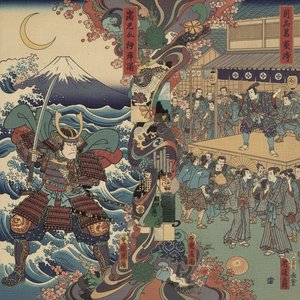
Shōgetsu Toshu: Echoes of War and Tradition in Edo Prints
Shōgetsu Toshu (東洲勝月), born Kojima Katsumi 小島勝美 around 1850, stands as a pivotal figure within the vibrant tapestry of late Edo-period Japanese art—specifically Ukiyo-e prints. His artistic journey unfolded against the backdrop of significant historical transformations, notably the Sino-Japanese War of 1894-95 and the subsequent Meiji Restoration, shaping his oeuvre with themes of conflict, commemoration, and a nuanced engagement with modernizing forces. While biographical details remain somewhat elusive—records indicate he died in 1900—his legacy persists through an impressive body of work that continues to fascinate scholars and collectors alike.Early Life and Artistic Training
Information regarding Kojima Katsumi’s formative years is scarce, primarily gleaned from anecdotal accounts and references within contemporary artistic circles. He apprenticed under Toshikata 東川壽勝 (1835-1902), a celebrated Ukiyo-e master known for his depictions of samurai warriors and theatrical performances—a stylistic influence that undeniably permeated Shōgetsu’s own artistic sensibilities. This mentorship instilled in him not only technical proficiency but also an understanding of the aesthetic conventions governing Edo art, emphasizing meticulous detail and expressive dynamism.The Sino-Japanese War: A Canvas for Patriotism
Shōgetsu's artistic output gained considerable momentum during the Sino-Japanese War (1894-95), a watershed moment in Japanese history marked by imperial ambition and military confrontation with China. Recognizing the importance of conveying national sentiment, Shōgetsu produced several striking prints commemorating the conflict—most notably “Kurihashi Ferry” クリハシテラ イリハシテラ (1894). This monumental composition captures a pivotal naval engagement, skillfully rendered in bold colors and dramatic perspective, embodying the spirit of patriotic fervor prevalent during the era. The print’s meticulous execution exemplifies Shōgetsu's commitment to capturing historical events with artistic precision.Style and Technique: Mastering Ukiyo-e Conventions
Shōgetsu Toshu’s artistic style is firmly rooted in Ukiyo-e traditions—characterized by woodblock printing techniques that prioritize tonal gradation, vibrant hues, and dynamic compositions. He skillfully employed *kata-niku* (層彫) carving methods, allowing for nuanced shading effects that imbue his prints with depth and realism. Furthermore, Shōgetsu’s penchant for capturing fleeting moments of action—evident in scenes from theatrical performances and samurai battles—demonstrates a mastery of compositional principles honed through years of artistic practice. His prints frequently incorporate elements of *komuso* (組物) – layered woodblocks – to achieve exceptional tonal richness and visual impact.Notable Achievements and Legacy
Shōgetsu Toshu’s contribution to Ukiyo-e extends beyond individual artworks; he served as a respected teacher, fostering the artistic development of younger practitioners and upholding Edo aesthetic ideals. His prints—particularly those documenting the Sino-Japanese War and commemorating the Toshogu Festival—remain invaluable historical records, offering insights into Japanese society and culture during a period of profound change. Today, Shōgetsu’s works are housed in prominent museums worldwide—including the Zimmerli Art Museum at Rutgers University and the Art Gallery of South Australia—testament to their enduring artistic merit and scholarly significance. His legacy continues to inspire artists and scholars alike, cementing his place as one of Japan's most influential Ukiyo-e masters.- Notable Prints: “Kurihashi Ferry,” “The Lavenberg Collection”
- Influenced by Toshikata’s Style
- Mastery of Kata-niku Woodblock Printing Technique