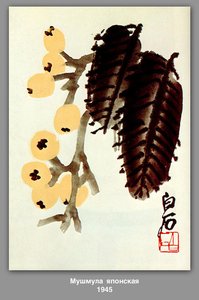
Qi Baishi: A Life in Watercolor and Observation
- Born: Xiangtan, China (1864)
- Died: 1957
Qi Baishi was a celebrated Chinese painter renowned for his distinctive watercolor style characterized by whimsical depictions of everyday life. Born into a peasant family in Hunan province, his journey to becoming one of China's most beloved artists was marked by self-study and a keen observation of the world around him.
Early Life and Self-Education
- Humble Beginnings: Qi Baishi’s early life was shaped by poverty. He lived with his parents, grandparents, and eight siblings in Xiangtan.
- Brief Formal Education: Due to illness, he received less than a year of formal schooling.
- Apprenticeship as a Carpenter: Unable to perform strenuous labor, Qi became an apprentice carpenter, a period that instilled in him practical skills and resourcefulness.
- Sparking Interest in Art: While working as a carpenter, he encountered a Chinese painting manual, which ignited his passion for art, particularly the depiction of animals, insects, and plants.
- Early Studies: He initially studied the *Manual of the Mustard Seed Garden*, using performers, especially opera artists, as models to hone his skills. Later, he broadened his subject matter to include anyone willing to pose.
Artistic Development and Influences
- Gongbi Training: Qi Baishi received foundational training in gongbi mode from Hu Qinyuan, emphasizing fine brushwork and meticulous detail.
- Mentorship of Tan Pu: His mentorship under Tan Pu led him to explore landscape painting and solidified his ambition to become a professional artist.
- Xieyi Style: Despite his gongbi training, Qi Baishi became famous for his mastery of the xieyi (sketching thoughts) style, known for its freely expressive brushstrokes.
- Influences: Key influences included early Qing dynasty painter Bada Shanren (Zhu Da) and Ming dynasty artist Xu Wei.
- Shanghai School & Wu Changshuo: His travels led him to the Shanghai school where he met Wu Changshuo, who became a significant mentor and inspiration.
- Chen Shizeng: A later influential relationship developed with Chen Shizeng while living in Beijing.
Major Themes and Artistic Style
- Subjects of Observation: Qi Baishi’s paintings encompassed a wide range of subjects, including animals (especially mice, shrimp, and birds), landscapes, figures, toys, and vegetables.
- "Likeness and Unlikeness": He theorized that paintings should exist "between likeness and unlikeness," reflecting the complexities of everyday life.
- Watercolor Mastery: His watercolor technique was characterized by vibrant colors, bold brushstrokes, and a playful spirit.
- Seal Carving: Qi Baishi was also an accomplished seal carver, proudly referring to himself as "the rich man of three hundred stone seals."
Legacy and Historical Significance
- Popularity with Collectors: His accessible style resonated with both artistic and political collectors.
- Resilience During Political Upheaval: Despite the tumultuous political climate following the fall of the Qing dynasty, Qi Baishi maintained his artistic integrity and values.
- National Recognition: In 1953, he was elected president of the China Artists Association and later served as honorary chairman of the Beijing Academy of Chinese Painting.
- Cultural Icon: Qi Baishi’s work continues to be celebrated for its accessibility, humor, and profound connection to everyday life, solidifying his place as a major figure in 20th-century Chinese art.