


x
يوجد إجابة صحيحة واحدة فقط لكل سؤال.
Nguyễn Phương Linh, born in Hanoi, Vietnam in 1985, is a conceptual artist whose work resonates with the subtle power of memory, displacement, and the ephemeral nature of existence. Her artistic journey isn’t simply a personal exploration but one deeply interwoven with the socio-political fabric of her homeland and its complex history. Linh's upbringing was profoundly shaped by Nha San Studio, Vietnam’s pioneering alternative art space founded in 1998 by her father, Nguyễn Mạnh Đức, within their family home. This environment wasn’t merely a backdrop but an immersive education—a constant dialogue with generations of Vietnamese artists, writers, and composers who challenged conventional norms.
Growing up amidst this creative ferment instilled in Linh a keen awareness of the power of art as both a reflection of and intervention within society. The closure of Nha San Studio by authorities didn’t stifle her artistic spirit but rather catalyzed it. In 2013, she co-founded Nha San Collective, a testament to her commitment to fostering community and pushing boundaries in Vietnam's contemporary art scene. This collective became a vital platform for young artists, providing support and nurturing experimentation beyond the confines of traditional institutions.
Linh’s multidisciplinary practice—spanning installation, sculpture, and video—is characterized by a delicate balance between sensual materiality and conceptual rigor. Her work doesn't offer definitive answers but instead invites contemplation on themes of geographic cultural shifts, traditional roots, and the fragmented narratives that shape Vietnamese identity. She often embarks on field research, meticulously collecting artifacts from historical sites of exchange and borders – objects imbued with layers of meaning and untold stories.
This process of collection isn’t simply about preserving relics but transforming them into vehicles for alternative interpretations. Linh skillfully manipulates these materials—salt, dust, wood, metal—to construct evocative installations that challenge conventional understandings of history and personal memory. Her art conveys a pervasive sense of alienation and dislocation, prompting viewers to question the visible versus invisible truths that underpin our perceptions.
The early influences on Linh’s work are inextricably linked to her upbringing at Nha San Studio. Witnessing her father's dedication to restoring historical temples and houses instilled in her a deep respect for traditional Vietnamese craftsmanship and architecture. This reverence is evident in her later projects, where she often incorporates elements of vernacular design and materials.
Her formal artistic education included studies at the Academica Albertina belle di Arti in Turin (2007-2008) and a residency with Tobias Rehberger at the Stadelschule Frankfurt (2015-2017), broadening her technical skills and conceptual framework. However, it’s arguably her experiences traveling throughout Southeast Asia and beyond that have had the most profound impact on her artistic development. These journeys exposed her to diverse cultural perspectives and fueled her exploration of fragmented histories.
Several key works exemplify Linh's distinctive approach. Sanctified Clouds (2012/2015), a wall installation comprised of photographs sourced from the internet, subtly critiques the glorification of violence by cropping out landscapes and focusing solely on the dust and smoke of explosions. From afar, these remnants resemble neutral clouds, but closer inspection reveals their disturbing origins—a poignant commentary on the destructive power of weaponry.
Home project (2012), a powerful piece that involved shipping iron wood from Catholic churches and mental hospitals in Northern Vietnam to Oakland, California, speaks to the complex history of exchange between Vietnam and the United States. Linh constructed a boat from this salvaged material—a symbolic gesture referencing the first container of weapons shipped to Vietnam by the American government in 1967.
Dust project (2011-2012), similarly, involved collecting dust from significant locations – bridges, bomb shelters, border crossings – and documenting these sites through blueprints. This work explores the traces of history embedded within seemingly insignificant materials, highlighting the ephemeral nature of memory.
Salt project (2009), inspired by traditional salt villages in northern Vietnam, demonstrates Linh’s ability to create minimalist landscapes that dematerialize over time. The unrefined salt sculptures crumble and dissolve as water evaporates, symbolizing the way events fade from collective consciousness.
Nguyễn Phương Linh's work occupies a unique position within contemporary Vietnamese art. She doesn’t shy away from confronting difficult histories but approaches them with sensitivity and nuance. Her installations are not didactic statements but rather poetic meditations on the complexities of cultural identity, displacement, and memory.
Her participation in prestigious international exhibitions—including the Singapore Biennale, Kuandu Biennale Taipei, and Shanghai Biennale—has brought Vietnamese contemporary art to a wider audience. Linh’s work resonates with global conversations about postcolonialism, migration, and the search for meaning in an increasingly fragmented world. She is not only a talented artist but also a vital cultural organizer, dedicated to fostering dialogue and supporting emerging artists within her community.
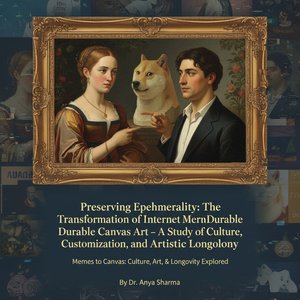
Explore the fascinating transformation of internet memes into durable canvas art! Discover the cultural impact, artistic techniques & preservation efforts driving this new movement. Expert insights for collectors and enthusiasts.

Explore the enduring legacy of artists through history! Discover key themes, techniques & cultural impact. Expert art consultation, custom reproductions & appraisal services at WahooArt.

Explore the power of conceptual custom art. Discover how hand-painted oil paintings embody personal & political narratives. Expert guidance for collectors seeking meaningful, impactful artwork.


ابقَ على اطلاع بأحدث أخبار الفن، والعروض الحصرية، وأفكار الديكور.
أخبرنا عن مشروعك، وسيقدم لك خبراؤنا الفنيون 3 اقتراحات فنية مخصصة لك.
دعنا نختار لك ٣ خيارات مخصصة تماماً - مجاناً!


