حياة صيغت بالصمود والدقة
كانت حياة كارل شميد شهادة عميقة على قدرة الروح البشرية على إيجاد الجمال وسط المعاناة. ولد في زيورخ عام 1914، وظلت سنواته الأولى محاطة بظلال المأساة الشخصية وعدم الاستقرار؛ ففقدان والده خلال الحرب العظمى والصراعات النفسية المعقدة التي عانت منها والدته خلقا بيئة تطلبت صموداً هائلاً. ومع ذلك، فمن رحم هذه المحنة، طور شميد عيناً ثاقبة وفريدة لتفاصيل الوجود. لم يكن تدريبه التكويني مقتصرًا على المرسم التقليدي فحسب، بل جاء من خلال عالم الحرف اليدوية الملموس والمنضبط؛ حيث غرست فترة تدربه كصانع خزائن ونجار فيه احتراماً جوهرياً للمادة والبنية، وهي الدقة التي ستصبح لاحقاً العمود الفقري لأعماله النحتية والتشريحية.
ومع نضجه، اتخذت رحلة شميد مساراً نحو نقطة التقاء الفن بالعلم. فالفترة التي قضاها في مصحات دافوس، رغم أنها كانت ضرورة فرضها المرض، أثبتت أنها حقبة من التوسع الفكري والإبداعي الهائل. هناك، تحرك ضمن مدارات عمالقة مثل أوسكار كوكوشكا وإرنست لودفيج كيرشنر. ولم تكن هذه اللقاءات مجرد روابط اجتماعية عابرة، بل كانت حوارات فنية عميقة ساعدت في تشكيل فهمه للتعبيرية والحالة الإنسانية. وقد سمحت هذه الفترة من الضعف المشترك والاستكشاف الإبداعي لشميد بأن ينسج العاطفة الخام لتاريخه الشخصي في لغة فنية راقية.
توليف الشكل والتشريح والتجريد
تتميز أعمال شميد بسيولة مذهلة، حيث تنتقل بسلاسة بين المتطلبات الصارمة للدقة العلمية والحركات المتحررة للتجريد الحديث. لقد امتلك قدرة نادرة على جسر الفجوة بين ما هو تجريبي وما هو روحي؛ ففي رسوماته التشريحية، نجد تفانياً دقيقاً في البحث عن حقيقة الجسد البشري، حيث تخدم كل خطوط الرسم غرض الوضوح البيولوجي. ومع ذلك، لم يسمح أبداً للعلم بأن يجرد موضوعاته من روحها، بل غمر دراساته بنعمة فنية رفعت أعماله من مجرد مخططات توضيحية إلى تحف ذات جمال عميق.
ويتجلى هذا الازدواج ربما بأوضح صوره في انتقاله عبر مختلف الحركات الأسلوبية:
- التجريد الهندسي والآرت ديكو: احتضنت استكشافاته المبكرة الأناقة المهيكلة لعصر الآرت ديكو، مستخدماً خطوطاً نظيفة وأنماطاً إيقاعية.
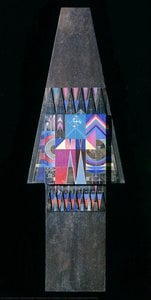
- المبادئ البنائية: في أعمال مثل قطعتة التي تعود لعام 1959 بعنوان “بدون عنوان”، استخدم شميد الذهب على خلفية سوداء لخلق جودة موسيقية ديناميكية، تعكس طاقة القيثارة من خلال الدقة الهندسية.
- تقاطع الفن والعلم: تُظهر أعماله المتأخرة، بما في ذلك العمل المؤثر “عمل روحي” (1986)، براعة في دمج التأثيرات المتباينة، حيث مزج المنطق الهيكلي لجذوره في النحت على الخشب مع تعبيرية تأملية عميقة.
إرث الرؤيوي متعدد المواهب
يظل كارل شميد شخصية فريدة في تاريخ الفن السويسري، فهو موسوعي امتدت مساهماته لتشمل الرسم والنحت والنقش والتدريس. لم يكن مجرد فنان ينتمي إلى حركة واحدة، بل كان بمثابة جسر يربط بين العالم الملموس للحرفي والعالم الفكري للطليعة الفنية. إن قدرته على التعاون مع أعلام مثل هانس آرپ وكوكوشكا تتحدث عن مكانته الرفيعة داخل المجتمع الفني الأوروبي، ومع ذلك تظل أعماله شخصية للغاية، متجذرة في ملاحظاته الخاصة للحياة والموت والعجائب البيولوجية للعالم الطبيعي.
واليوم، لا يُذكر شميد فقط لإتقانه التقني في النحت على الخشب أو دقة نقوشه، بل لقدرته على إيجاد حقيقة موحدة في الأجزاء المتناثرة من التجربة الإنسانية. ويستمر إرثه في إلهام أولئك الذين يسعون لإيجاد التناغم بين العقل التحليلي والقلب المبدع، ليثبت أن الفن يمكن أن يكون دراسة صارمة للواقع وهروباً سامياً منه في آن واحد.