José Aparicio Inglada: A Patriot Painter of Spain’s Golden Age
José Aparicio Inglada (1773 – 1838) stands as a pivotal figure in Spanish neoclassical art, inextricably linked to the reign of Ferdinand VII and embodying the fervent patriotic spirit that characterized the era. Born in Alicante, he descended from a respectable middle-class family, fostering an early appreciation for artistic pursuits—a passion nurtured by his formative years at the Real Academia de Bellas Artes de San Carlos de Valencia, where he secured first prize for painting in 1793. This initial success propelled him towards further academic training at the Real Academia de Bellas Artes de San Fernando in Madrid, cementing his foundation within Spain’s artistic elite.
Early Influences: Inglada's artistic sensibilities were profoundly shaped by the prevailing neoclassical style championed by Jacques-Louis David during his Parisian studies (1796-1807). David’s emphasis on idealized forms and dramatic compositions instilled in Inglada a meticulous approach to technique and an unwavering commitment to conveying emotion through visual representation.
Roman Retreat: Recognizing the importance of artistic immersion, Inglada traveled to Rome in 1807, seeking inspiration from the grandeur of antiquity and engaging with the intellectual currents of his time. This period witnessed him rejecting allegiance to Joseph I, aligning himself with fellow artists who opposed the Bourbon monarchy’s repressive policies—a stance that resulted in a virtual imprisonment at Castel Sant'Angelo until Ferdinand VII’s restoration in 1813.
Notable Works and Artistic Style
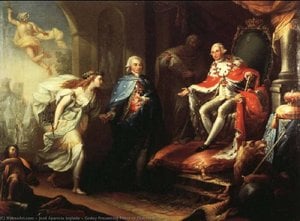
Inglada’s artistic output is distinguished by its unwavering dedication to patriotic themes, reflecting the anxieties and aspirations of Spain during a turbulent period marked by political upheaval and Napoleonic occupation. His magnum opus, “The Landing of Ferdinand VII at El Puerto de Santa María” (1814), exemplifies his masterful command of color and composition—a monumental canvas that captures the triumphant return of the king and symbolizes the resurgence of Spanish sovereignty. Similarly, "The Glorious Triumph of Ferdinand VII" portrays a scene of regal splendor, showcasing Inglada’s ability to imbue his paintings with palpable emotion and grandeur.
Technique: Inglada employed meticulous brushwork and tonal modulation—characteristic features of neoclassical painting—to achieve remarkable realism and luminosity. He skillfully utilized chiaroscuro to sculpt forms and create dramatic contrasts, enhancing the expressive power of his subjects.
Subject Matter: His oeuvre encompassed portraits of prominent figures – nobility and military officers – meticulously rendered with an acute attention to detail and psychological nuance. These portraits served not only as visual records but also as embodiments of aristocratic ideals and virtues.
Recognition and Legacy
Inglada’s artistic achievements garnered considerable acclaim during his lifetime, culminating in the prestigious title of “Academician of Merit” bestowed upon him by the Academia de San Carlos in 1829—a testament to his contribution to Spanish art history. He served as Director of the Academia de San Fernando until his death in 1838, shaping the artistic education and scholarship of generations of aspiring painters. Inglada’s enduring legacy resides not merely in his impressive body of work but also in his unwavering commitment to portraying Spain's historical narrative with dignity and conviction—a contribution that continues to resonate within the annals of Spanish art.
Further Exploration
For a deeper understanding of José Aparicio Inglada’s artistic vision, consider visiting Capilla de San José (Toledo) – Spain’s hidden gem! Admire El Greco masterpieces & delve into Spanish Renaissance art within this intimate chapel and discover its fascinating history. Also explore the San Jose Museum of Art in United States – California – where you can find impressive modern & contemporary art pieces.
Explore the profound elegance of Neoclassical art. Discover the principles of order, symmetry, and virtue through the works of masters like David and Mengs. Immerse yourself in a journey of classical grace and timeless aesthetic perfection.
Embark on a sophisticated exploration of Spanish art history, from the chiaroscuro mastery of Velázquez to the profound shadows of Goya. Discover how the dramatic light and emotional depth of Spain's greatest masters continue to inspire collectors and connoisseurs today.
Explore the refined world of Neoclassical portraiture. Discover the mastery of line, light, and order through an expert exploration of academic art history, from Jacques-Louis David to Jean-Antoine Houdon. Immerse yourself in the timeless elegance of classical realism.