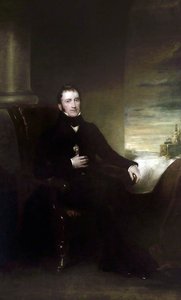
A Chronicler of Old Manchester: The Life and Art of George Illidge
George Illidge occupies a unique position in the annals of British art, less as a flamboyant innovator and more as a dedicated chronicler of a rapidly changing world. Born in Manchester – the exact year remains elusive, shrouded in the mists of Victorian record-keeping – he devoted his life to capturing the essence of his city, particularly its industrial heartland and bustling maritime activity. Unlike many artists who sought escape in idyllic landscapes or classical themes, Illidge turned his gaze inward, documenting the very fabric of urban life during a period of unprecedented growth and social upheaval. He wasn’t merely painting *what* he saw; he was preserving a memory, a tangible record of Old Manchester before it vanished under layers of modernity.Early Influences and Artistic Development
Illidge's artistic journey began in an era where formal training was often limited to the privileged few. He appears to have been largely self-taught, honing his skills through diligent observation and a deep passion for detail. While specific mentors remain unknown, it’s clear that he absorbed influences from several sources. The topographical tradition of artists like J.M.W. Turner – though Illidge's style is far more grounded than Turner’s romanticism – likely played a role in his approach to landscape and atmospheric effects. The rise of Realism in France, with its emphasis on depicting everyday life without idealization, also seems to have resonated with his artistic sensibilities. However, Illidge forged his own path, developing a distinctive style characterized by meticulous brushwork, a muted palette often dominated by browns, greys, and ochres, and an unwavering commitment to accuracy. His early works focused on the canals and waterways that were the lifeblood of Manchester’s industrial revolution, depicting barges laden with goods, bustling quaysides teeming with activity, and the imposing architecture of warehouses and mills.The Canals, Ships & Architecture of a Thriving City
Illidge's most celebrated works are undoubtedly his paintings of Manchester’s canals and maritime scenes. He possessed an extraordinary ability to capture the gritty realism of these environments – the smoke-filled air, the rough textures of brick and stone, the reflections shimmering on the water. His depictions of ships weren’t idealized portraits of naval grandeur; they were honest portrayals of working vessels, their hulls stained with grime, their decks cluttered with cargo. He wasn't interested in glorifying industry but rather in documenting its presence, its scale, and its impact on the urban landscape. Beyond the canals, Illidge also meticulously documented Manchester’s architecture, particularly the Victorian warehouses that dominated the city skyline. These buildings, symbols of wealth and industrial power, are rendered with remarkable precision, their intricate details brought to life through his skillful brushwork. He captured not only their imposing facades but also the surrounding streets, filled with horse-drawn carriages, pedestrians, and the everyday bustle of urban life.A Legacy Preserved: Historical Significance & Artistic Impact
While Illidge didn’t achieve widespread fame during his lifetime, his work has gained increasing recognition in recent years as a valuable historical resource. His paintings offer a unique glimpse into the Manchester of the 19th century – a city undergoing rapid transformation, grappling with the challenges and opportunities of industrialization. He provides an invaluable visual record of buildings that have since been demolished, canals that have been filled in, and ways of life that have disappeared. His paintings are not simply works of art; they are historical documents. Today, his work is highly sought after by collectors and institutions interested in preserving the memory of Old Manchester. Illidge’s legacy lies in his unwavering dedication to documenting his city, capturing its essence with honesty, accuracy, and a deep sense of place. He stands as a testament to the power of art to preserve history, offering future generations a tangible connection to a bygone era.- His paintings provide invaluable insight into Victorian urban life.
- He meticulously documented Manchester’s canals and architecture.
- Illidge's work is increasingly recognized for its historical significance.
الأسئلة والأجوبة
ما هي الأسماء المستعارة أو الأسماء الأخرى التي يُعرف بها George Illidge؟
يُعرف George Illidge أيضاً بأسماء أخرى هي G. Illidge, Illidge, George.
هل يمكنني تصفح أعمال George Illidge حسب الحركة الفنية؟
يمكن الاطلاع على المدارس الفنية التي عمل بها George Illidge عبر صفحة جميع المدارس الفنية الخاصة بالفنان، والتي تجمع الأعمال الفنية حسب كل مدرسة فنية.
هل يمكن عرض أعمال George Illidge وفق تسلسل زمني؟
تعرض صفحة التسلسل الزمني للأعمال الفنية الخاصة بالفنان أعمال George Illidge مرتبة زمنياً، عاماً تلو الآخر.