Fernand Combes, 1856 – 1943

أشهر 11 لوحات للفنان Fernand Combes

اللوحة التي جعلت Fernand Combes مشهوراً هي Vieux Paris, Quartier St Victor, La Rue Des Boulangers (1910). ويأتي كل من Paris, Carrefour Près Saint Germain Des Prés, des rues de l'Abbaye, Cardinal Lemoine, de Bourbon le Château, et de l'Echaudé St Germain (1910) و Paris, Port des Orfèvres, l'hiver, avec la Seine gelée (1910) في المرتبة التالية في قلوب المقتنين وزوار المتاحف. من بين 11 من أعمال Fernand Combes في كتالوجنا، تُعد هذه 11 الأعمال هي الأكثر إعجاباً، حيث نُقدم كل واحدة منها مع تاريخها، والمتحف الذي تضمّه، وما يميزها.

تُصنف الأعمال بناءً على مؤشر شعبيتنا، الذي يجمع بين عمليات البحث والزيارات والطلبات لكل عمل فني. تم التحديث في نوفمبر 2026. يمكن طلب كل لوحة فنية في هذه الصفحة كنسخة زيتية مرسومة يدوياً بجودة المتاحف، أو كمطبوعة فنية فاخرة، وذلك بالمقاس الذي تختارونه.

بورتريه لـ Fernand Combes
Fernand Combes · 1856 – 1943
الميلاد · الوفاة
1856 – 1943, Les Herbiers
حركة فنية
Impressionism
الأعمال المتوفرة في كتالوجنا
11
الأكثر شهرة
Vieux Paris, Quartier St Victor, La Rue Des Boulangers (1910)

Fernand Combes: الروائع العشر

المزيد من روائع Fernand Combes، من 11 إلى 11

Fernand Combes، عاماً بعد عام: اللوحات التي صنعت مجده

من 1910 إلى 1925، 16 عاماً من فن Fernand Combes، عاماً تلو الآخر، عبر أروع لوحاته.

  1. 1910
  2. 1910
  3. 1910
  4. 1910
  5. 1913
  6. 1914
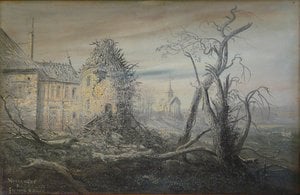
    Mondement (1914) للفنان Fernand Combes
    الرقم 8 من أصل 11

    Mondement

    العمر 58
  7. 1919
  8. 1919
  9. 1925

روائع Fernand Combes: أسئلة وأجوبة

ما هي اللوحة التي اشتهر بها Fernand Combes؟أظهر الإجابة

Vieux Paris, Quartier St Victor, La Rue Des Boulangers (1910). يليهما Paris, Carrefour Près Saint Germain Des Prés, des rues de l'Abbaye, Cardinal Lemoine, de Bourbon le Château, et de l'Echaudé St Germain (1910) وParis, Port des Orfèvres, l'hiver, avec la Seine gelée (1910).

كم كان عمر Fernand Combes عندما رسم Vieux Paris, Quartier St Victor, La Rue Des Boulangers؟أظهر الإجابة

عمر 54 عاماً: يعود تاريخ Vieux Paris, Quartier St Victor, La Rue Des Boulangers إلى عام 1910، وقد وُلد Fernand Combes في 1856.

ما هي أعظم عشر لوحات لـ Fernand Combes؟أظهر الإجابة

Vieux Paris, Quartier St Victor, La Rue Des Boulangers, Paris, Carrefour Près Saint Germain Des Prés, des rues de l'Abbaye, Cardinal Lemoine, de Bourbon le Château, et de l'Echaudé St Germain, Paris, Port des Orfèvres, l'hiver, avec la Seine gelée, Paris, Quartier St Paul, Rue Du Figuier, Scène Biblique (Moïse), Paysanne Sablaise, Honfleur, La Rue Gambetta, Mondement, Pérouges, Rue Des Princes و "Si Imprenabilis Pérouges Des Pérouges" Pérouges, Porte d'en Haut. يوضح التصنيف أعلاه سنة الإنتاج والمتحف الخاص بكل منها.

كم عدد الأعمال التي رسمها Fernand Combes؟أظهر الإجابة

تضم قائمتنا 11 من أعمال Fernand Combes، التي يعود تاريخها من 1910 إلى 1925.

متى رسم Fernand Combes هذه اللوحات الخالدة؟أظهر الإجابة

في 1910: 4 من أصل 11 من الأعمال في هذه الصفحة تعود إلى ذلك التاريخ، من بينها Vieux Paris, Quartier St Victor, La Rue Des Boulangers.

ما هي أول وآخر لوحات Fernand Combes الشهيرة؟أظهر الإجابة

أقدم لوحة في هذه الصفحة هي من عام Vieux Paris, Quartier St Victor, La Rue Des Boulangers (1910)، وأحدثها من عام Sospel, Le Pont Vigie (1925).

إلى أي حركة فنية ينتمي Fernand Combes؟أظهر الإجابة

Impressionism، كما تظهر اللوحات في هذه الصفحة.

هل يمكنني اقتناء نسخة من إحدى روائع Fernand Combes؟أظهر الإجابة

نعم. يمكن طلب كل لوحة في هذه الصفحة كنسخة زيتية مرسومة يدوياً بجودة المتاحف أو كمطبوعة فنية فاخرة، بالمقاس الذي تختاره، وذلك من صفحة اللوحة نفسها.

حياة Fernand Combes

Early Life and Artistic Beginnings

Fernand Combes, born François Georges Fernand Combès in Les Herbiers, France, on August 4th, 1856, emerged from a rural landscape that would subtly yet profoundly shape his artistic vision. While initially pursuing studies at the École des Beaux-Arts in Paris, the rigid academic traditions of the time proved somewhat stifling for the burgeoning artist. Combes wasn’t drawn to grand historical narratives or mythological allegories; instead, he found himself captivated by the ephemeral beauty of everyday life and the shifting moods of nature. This inclination steered him away from direct competition within the Salon system and towards the nascent Impressionist movement, though his connection remained nuanced rather than a full embrace of its tenets. He sought to capture reality not through strict adherence to optical truth, but through an emotional resonance with the scenes before him.

The Parisian Years and Developing Style

Combes’s artistic journey truly blossomed during his time in Paris. The city itself became a primary subject, particularly its intimate corners and bustling street life. Unlike some of his contemporaries who focused on the glamorous boulevards, Combes often depicted quieter moments – winter scenes along the Seine, like Paris, Port des Orfèvres, l'hiver, avec la Seine gelée (1910), revealing a sensitivity to atmospheric conditions and the subtle play of light. These works demonstrate an Impressionistic leaning, characterized by loose brushwork and a focus on capturing fleeting impressions. However, Combes’s palette often retained a more traditional earthiness than the brighter hues favored by Monet or Renoir. He also explored scenes of provincial life, as seen in Honfleur, La Rue Gambetta (1913), showcasing his skill with monochrome drawings and an ability to convey realism and nostalgia.

Beyond Landscapes: Religious Themes and Diverse Subjects

While celebrated for his landscapes and Parisian streetscapes, Combes’s oeuvre extended beyond these familiar subjects. He engaged with religious themes, creating works like Scène Biblique (Moïse), revealing a depth of contemplation and narrative skill. This exploration suggests a broader intellectual curiosity and a willingness to tackle diverse artistic challenges. His versatility is further evidenced by his work in etching, engraving, and drawing, demonstrating a mastery of various techniques and a commitment to exploring different modes of visual expression. Combes wasn’t confined to a single style or subject matter; he possessed an adaptable talent that allowed him to navigate the complexities of the art world with quiet confidence.

Legacy and Historical Significance

Fernand Combes passed away in 1943, leaving behind a body of work that, while not as widely recognized as some of his Impressionist peers, offers a valuable insight into the artistic currents of late 19th and early 20th century France. He occupies an interesting position – a painter influenced by Impressionism but not wholly defined by it. His works provide a bridge between traditional academic painting and the more radical experiments of the avant-garde. Combes’s contributions lie in his ability to capture the essence of a place and moment with sensitivity and skill, imbuing his scenes with an emotional depth that resonates even today.
  • Key Characteristics: Impressionistic landscapes, Parisian street scenes, religious works, versatile technique (painting, etching, drawing).
  • Influences: École des Beaux-Arts training, Impressionist movement.
  • Major Achievements: Capturing the atmosphere of Paris and provincial France; exploring diverse subjects with skill and sensitivity.
His art continues to be appreciated for its quiet beauty, technical proficiency, and unique perspective on a pivotal era in French painting.