A Life Immersed in Light and Form: The World of Antonio Sicurezza
Antonio Sicurezza, born in the sun-drenched landscapes of Santa Maria a Capo Vaticano, Italy, in 1905, was an artist deeply rooted in the Italian figurative tradition. His life’s work became a poignant reflection of his era—a period marked by both profound beauty and devastating upheaval. From his early training at the Academy of Fine Arts in Naples, where he flourished under the guidance of masters like Carlo Siviero and Vincenzo Volpe, Sicurezza demonstrated an innate talent for capturing reality with remarkable precision and emotional depth. He wasn’t merely replicating what he saw; he was imbuing it with a sense of atmosphere, a palpable mood that resonated with viewers. His scholarship allowed him to fully immerse himself in his studies, laying the foundation for a career dedicated to portraying the world around him—still lifes brimming with everyday objects, portraits revealing the inner lives of his subjects, and landscapes celebrating the breathtaking beauty of the Italian countryside.Formia, War, and Rebirth: A Defining Journey
A pivotal moment arrived in 1933-1934 when Sicurezza relocated to Formia, a coastal town that would become both his home and a significant source of artistic inspiration. His first major commission—painting the chapel of St. Anthony in Maranola’s church—marked the beginning of a fruitful relationship with the region and led to his marriage to Virginia Mastrogiovanni in 1934. However, the idyllic existence was shattered by the outbreak of World War II. Forced to flee their home alongside his wife and four children, Sicurezza endured unimaginable hardship, seeking refuge first in remote mountain caves near Coreno Ausonio before navigating the dangers of the warfront to reach Calabria. This period of displacement undoubtedly left an indelible mark on his artistic vision, infusing his work with a newfound sense of vulnerability and resilience. The experience wasn’t simply a disruption; it was a crucible that forged a deeper understanding of human suffering and the enduring power of faith.Reconstructing Beauty: Post-War Dedication
Following the war's conclusion, the Sicurezza family returned to Formia only to find widespread devastation. Many churches lay in ruins, and several of his own artworks had been lost or destroyed. Rather than succumbing to despair, Antonio dedicated himself to a monumental task: recreating the lost religious pieces that were so vital to the community’s spiritual life. This undertaking included the stunning fresco *Angeli musicanti* (angels playing music) for the chapel of Our Lady of Pompeii and poignant portraits of Pope Leo XIII and Blessed Bartolo Longo. These commissions weren't merely artistic endeavors; they were acts of healing, a testament to his commitment to restoring beauty and hope in a shattered world. Balancing his artistic vision with the conservative expectations of the clergy regarding traditional iconography presented challenges, but Sicurezza navigated these complexities with grace and skill.A Legacy Etched in Lazio’s Landscape
Antonio Sicurezza passed away in 1979, leaving behind a rich artistic legacy that continues to resonate within Italian art history. While he may not have achieved widespread international fame, his contributions to local religious art and his masterful depictions of everyday life secured his place as a respected figure in the Lazio region. His paintings offer a captivating glimpse into post-war Italy—a time of rebuilding, resilience, and renewed faith. He skillfully blended traditional techniques with a sensitivity to the evolving artistic landscape of the 20th century, creating works that are both timeless and deeply personal. Sicurezza’s art is a testament to the enduring power of human creativity in the face of adversity, a celebration of beauty found even amidst hardship, and a poignant reminder of the importance of preserving cultural heritage for generations to come. His work stands as a valuable record of a specific time and place, capturing the spirit of an Italy striving to rebuild and rediscover its identity.Themes and Subjects
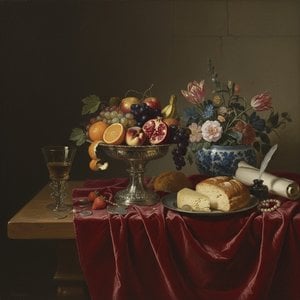
- Still Lifes: Often featuring everyday objects rendered with remarkable realism.
- Portraits: Capturing the character and personality of his sitters.
- Landscapes: Depicting the beauty of the Italian countryside, particularly the regions surrounding Formia and Naples.
- Nudes: Exploring the human form with sensitivity and artistic skill.
- Altar Pieces: Creating religious artworks for churches, often commissioned after periods of destruction during wartime.
الأسئلة والأجوبة
كيف تنقسم المسيرة المهنية لـ Antonio Sicurezza إلى فترات زمنية؟
يتوفر عرض زمني لأعمال Antonio Sicurezza عبر صفحة سجل زمني الخاصة بالفنان، حيث تتدفق الأعمال الفنية بترتيب إنتاجها، فصلاً تلو الآخر.
ما هو مسقط رأس Antonio Sicurezza وسنة ميلاده؟
وُلد Antonio Sicurezza في Santa Maria a Capo Vaticano عام 1905.
هل يمكنني دراسة أسلوب Antonio Sicurezza في استخدام الألوان عبر جميع أعماله؟
يظهر المخطط اللوني لأعمال Antonio Sicurezza في صفحة بصمة الألوان الخاصة بالفنان.