بِع الآن
x
معاينة الحجم الحقيقيمعاينة الحجم الحقيقي معاينة بالواقع المعززمعاينة بالواقع المعزز اشترِ نسخة مطبوعة اشترِ نسخة مطبوعةاشترِ الصورة اشترِ الصورة مشاركةمشاركة
التفاصيلالتفاصيل أضف إلى المفضلة أضف إلى المفضلة تحميل الملفتحميل الملف قطع مشابهةقطع مشابهة الأشعة السينيةالأشعة السينية عرض شرائحعرض شرائح

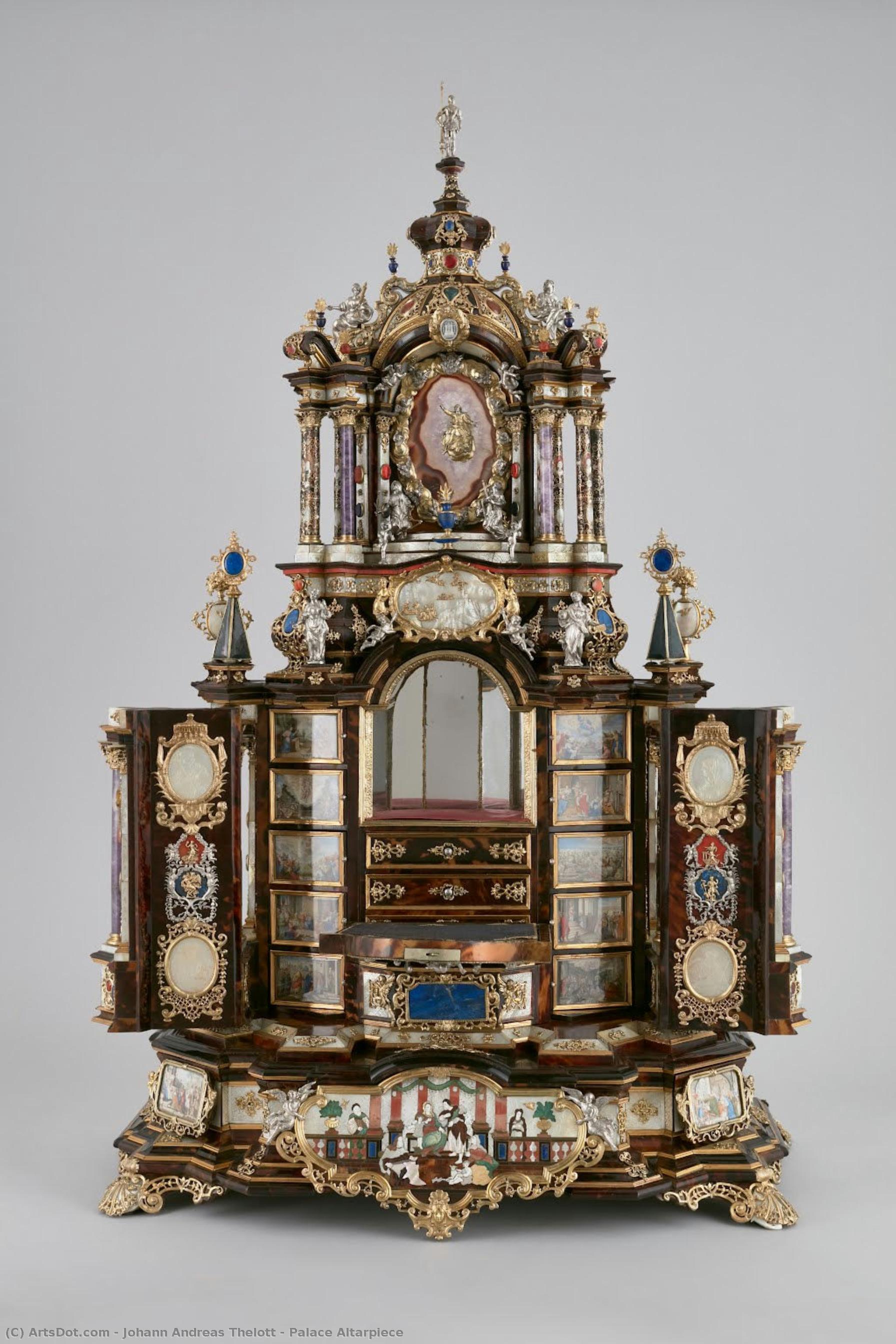
لوحة القصر

إبداع فني دقيق من عصر النهضة الإنجليزية، يجسد جمال الكنيسة وتفاصيلها الزخرفية، ويعرض لوحة القصر التي رسمها يوهان أندراي ستيلوت في عام ١٧٢٥، تحفة فنية تستحق المشاهدة.

Discover Johann Andreas Thelott, a 17th-century German engraver renowned for intricate silver & copper engravings. Explore his masterful details & legacy at WahooArt.

نسخة زيتية مصنوعة يدوياً

لوحة زيتية مرسومة يدوياً على الكانفاس بالمقاس والإطار الذي تفضله، تُنفذ حسب الطلب على أيدي فنانينا. (اشترِ نسخة مطبوعة اشترِ نسخة مطبوعةاشترِ الصورة اشترِ الصورة)

P118B $10
P118H $10
P118W $10
P438Z $10
P508JH $12
P508YH $12
P805H $10
P805Z $10
P919BZ $10
P919G $10
P919XJ $10
P959ZH $10
P968JZ $12
W106C $8
W218G $10
W218JH $8
W218Y $10
W307PJ $10
W316G $10
W316PJ $8
W316Y $10
W398PJ $8
W4111J $10
W500HY $15
W500JH $15
W692G $12
W849H $8
W940BG $15
W953PJ $8

Standard
custom
CM
INCH

اختر من بين أحجامنا المُعدّة مسبقًا والتي تتطابق مع النسب الأصلية للعمل الفني.

العرض
الارتفاع

يمكنك إدخال أبعادك الخاصة لتناسب إطارًا معينًا أو مساحة محددة. وإذا لم يتطابق الحجم الذي اخترته مع نسب الصورة الأصلية، فسنقوم إما بقص العمل الفني أو توسيع اللوحة بإضافة عناصر مرسومة يدويًا. سيتم إرسال نموذج رقمي إليك للموافقة عليه قبل بدء الإنتاج.
يرجى ملاحظة أن المعاينة على الشاشة لا تعكس عملية القص أو التوسيع الفعلية؛ حيث إن النموذج الرقمي وحده هو الذي سيوضح التكوين النهائي بدقة.
وعلى الرغم من توفر أحجام مخصصة، إلا أننا نوصي باختيار أبعاد من القائمة المحددة مسبقًا للحفاظ على النسب الأصلية للعمل الفني.

أمثلة على التعديلات الممكنة: استبدال الوجه بصورة العميل؛ إضافة حيوان أليف (مثل استبدال قطة بكلب)؛ تضمين رسالة مخفية في الخلفية؛ تغيير المناظر الطبيعية أو العناصر في الخلفية.
بعد إتمام الطلب، سيرسل فريق WahooArt.com بريداً إلكترونياً للعميل لطلب التعليمات وتزويده بمعاينة تجريبية (mockup).

توصيل عالمي إلى خلال 3 إلى 4 أسابيع بدلاً من المدة المعتادة البالغة 5 أسابيع. (19 أغسطس). جودة لا تهاون فيها.

why_choose_icon
شحن سريع ومجاني لجميع أنحاء العالم
why_choose_icon
قماش كتان عالي الجودة
why_choose_icon
تأمين شحن شامل
why_choose_icon
ضمان استرداد الرسوم الجمركية
why_choose_icon
ضمان مطابقة الألوان الحقيقية
why_choose_icon
سياسة الإرجاع خلال 60 يومًا (في حالات العيوب فقط)
why_choose_icon
ضمان استرداد نقدي بنسبة 100%
why_choose_icon
خصم عند طلب عدة قطع

إجمالي السعر

$ 272

reproduction

لوحة القصر

خامة إعادة الإنتاج

مقاس النسخة المطبوعة

-

السعر الإجمالي النهائي

$ 272

معلومات سريعة

  • Location: Private Collection
  • Artist: Johann Andreas Thelott
  • Notable elements or techniques: Detailed engraving, Atmospheric perspective
  • Year: 1725
  • Title: Palace Altarpiece
  • Dimensions: 5 x 66 cm
  • Movement: Baroque

اختبار الفنون

يوجد إجابة صحيحة واحدة فقط لكل سؤال.

سؤال 1:
What is the primary subject matter depicted in this painting?
سؤال 2:
The altarpiece prominently features statues. How many statues are visible in the painting?
سؤال 3:
What artistic style is Johann Andreas Thelott known for, characterized by meticulous detail and atmospheric effects?
سؤال 4:
The painting includes decorative elements like vases and a clock. What is the overall impression conveyed by these additions?
سؤال 5:
Carel de Moor, Thelott’s father, was a craftsman specializing in what material?

وصف العمل الفني

اللوحة القصرية لـ يوهان أدرياس ثيلوت: تحفة فنية تعكس روح العصر الذهبي الهولندي

تعتبر اللوحة القصرية لمؤلفها يوهان أدرياس ثيلوت مثالًا للجمال الدقيق والواقعية الدافئة التي تميز فن العصر الذهبي الهولندي في القرن الثامن عشر، وتحديدًا عام 1725. هذه ليست مجرد صورة لكاتدرائية أو مكان عبادة، بل هي تعبير فني عميق عن القيم الدينية والأخلاقية والتراث الزخرفي الذي كان له تأثير كبير على الفنون والديكور في تلك الفترة، وتعتبر من أهم الأعمال التي قام بها الفنان كارل دي مور الشاب، الذي استلهم أسلوبًا فريدًا من رواده الكبار مثل غييرت دو وميريس فان ميريس. **الخلفية التاريخية والأسلوب الفني:** ظهر ثيلوت في سياق فني مزدهر، حيث كان الأسلوب السائد هو *فينسشيلدينغ*، أي التشكيل الدقيق الذي يركز على التفاصيل الصغيرة والتأثيرات الجوية، ويقدم صورة حية للأحداث والبيئة المحيطة، مع إتقان تقنيات الرسم التي كانت تعتبر علامةً على المهارة والفنية العالية. لم يكن ثيلوت من الفنانين الذين يقدمون تغييرًا جذريًا في الأساليب الفنية، بل كان يركز على تحسين وتطوير التقنيات القائمة، مما أكسبه مكانة مرموقة بين الفنانين الهولنديين وأثبت أن الإبداع الحقيقي يكمن في القدرة على رؤية العالم بعمق وإعادة إنتاجه ببراعة ودقة متناهية. كان ثيلوت يولي اهتمامًا خاصًا بتصوير الألوان والإضاءة، واستخدام تقنيات التظليل لإضفاء عمق وحيوية على اللوحة، مما جعلها تبدو وكأنها نافذة تطل على عالم آخر. **تفاصيل اللوحة ودلالاتها الرمزية:** تتميز اللوحة القصرية بتكوين يركز على العناصر الأساسية، مثل المذبح والتمثال الذي يضعه في الأعلى، بالإضافة إلى وجود تمثالان كبيران يقعان بالقرب من مركز اللوحة وإلى الجانب الأيمن منها. لم تقتصر الزخرفة على هذه العناصر الرئيسية فحسب، بل شملت أيضًا ثلاثة أواني زهرية موضوعة في مواقع مختلفة داخل المذبح، وساعة على يسار الصورة، وكتابين متجاورين في الجزء السفلي من اللوحة، وكلها تضفي على المشهد جمالًا وتوازنًا بصريًا. هذه التفاصيل الدقيقة ليست مجرد إضافة للزخرفة، بل تحمل دلالات رمزية عميقة تعكس القيم المسيحية والأخلاقية التي كانت سائدة في ذلك العصر، وتذكرنا بأهمية الإيمان والتجديد الروحي والبحث عن الجمال الحقيقي في كل ما نراه ونلمسه. يُعتقد أن اختيار الألوان واستخدام الإضاءة كان له تأثير كبير على إبراز جمال اللوحة ودقة التصوير، مما جعلها تحفة فنية تستحق المشاهدة والتأمل. **الأثر العاطفي والجمالي:** إن اللوحة القصرية ليست مجرد عمل فني يتم تقديره بسبب مهارة الفنان وتشكيله، بل هي أيضًا تعبير عن حالة نفسية وعاطفية عميقة، تثير مشاعر الإعجاب والرهبة والتأمل في كل من يشاهدها. فالهدف من هذه اللوحة هو إضفاء الجمال على حياة المشاهد وإلهامه للتفكير في القيم الروحية والأخلاقية التي تحدد هويتنا وتوجه سلوكنا، وتذكرنا بأهمية التراث الفني والثقافي الذي يجمعنا ويثري حياتنا. إنها تحفة فنية تستحق أن تكون جزءًا من بيئة منزلية دافئة ومرحبة، وتضيف لمسةً من الأناقة والرقي إلى أي مكان يتم تزيينه بها، وتعتبر من أهم الأعمال التي تجسد روح العصر الذهبي الهولندي وتؤكد على قوة الفن في إثارة المشاعر والتعبير عن الأفكار العميقة.

السيرة الذاتية للفنان

Carel de Moor: A Dutch Master of Subtle Detail

Carel de Moor (the Younger), born on February 25, 1655, in Leiden, Netherlands, was a pivotal figure in the development of Dutch Golden Age painting. His life and career unfolded within a vibrant artistic landscape, shaped by the legacy of his father, Carel de Moor (the Elder), an ebony woodworker and art dealer, and influenced by masters like Gerrit Dou and Frans van Mieris. De Moor’s journey wasn't one of dramatic innovation but rather a meticulous refinement of existing techniques, earning him recognition as a master of *fijnschilding* – a style characterized by subtle details, atmospheric effects, and a quiet realism. He stands as a testament to the enduring power of observation and skillful execution within the Dutch artistic tradition.

Early Training and Influences

De Moor’s early education was deeply rooted in his family's trade and artistic connections. His father, a skilled craftsman and art dealer, exposed him to the world of art from a young age. Recognizing his son’s innate talent for drawing, he sent Carel to Gerrit Dou (1613–75), a renowned Leiden master known for his atmospheric effects and meticulous rendering of textures. This early mentorship instilled in De Moor a deep appreciation for observation and a commitment to capturing the nuances of light and shadow. Later, seeking a bolder brush handling, he traveled to Amsterdam to study with Abraham van den Tempel (1622/23–72), another influential painter whose work emphasized realism and psychological insight. These formative experiences laid the foundation for De Moor’s distinctive style, blending the lessons of his teachers into a cohesive and personal artistic vision.

Style and Technique

De Moor's paintings are distinguished by their remarkable subtlety and restraint. Unlike some of his contemporaries who favored dramatic compositions or bold colors, he cultivated a more understated approach, focusing on capturing fleeting moments and conveying psychological depth through carefully rendered details. His works often feature figures engaged in quiet activities – a woman listening to a scolding, a couple sharing a private moment, or a scholar absorbed in his studies. These scenes are presented with an almost photographic realism, achieved through meticulous attention to texture, light, and shadow. He employed a technique of *sfumato*, blurring outlines and softening edges to create a sense of atmosphere and ambiguity. This careful control of detail, combined with a masterful understanding of color and composition, is what sets De Moor’s work apart.

Notable Works and Commissions

De Moor's career spanned several decades, during which he produced a substantial body of work encompassing history paintings, genre scenes, and portraits. He was a prolific member of the Leiden Guild of St. Luke, holding various leadership positions, including headman and dean, demonstrating his influence within the artistic community. Among his most celebrated works are *The Duet* (1674), a captivating depiction of two women engaged in conversation; and his series of paintings illustrating the life of Saint Bruno, commissioned for the Charterhouse Monastery in Paris. These later works showcase De Moor’s evolving style, incorporating elements of both realism and classical influence. His dedication to his craft is evident in the numerous drawings he created, many of which are now housed in museums worldwide.

Legacy and Historical Significance

Carel de Moor (the Younger) remains a significant figure in Dutch Golden Age painting, representing a crucial link between the earlier masters and subsequent generations of artists. His commitment to subtlety, realism, and psychological insight established him as a leading exponent of *fijnschilding*. He wasn’t a revolutionary; rather, he perfected existing techniques, contributing significantly to the development of a refined and nuanced style that continues to be admired for its quiet beauty and profound observation of human nature. His influence can be seen in the work of later Dutch painters, solidifying his place as a master of detail and a testament to the enduring legacy of Leiden’s artistic tradition.

johann andreas thelott

johann andreas thelott

1655 - 1734 , Germany

حقائق سريعة

  • Artistic Movement Or Style: Neoclassical
  • Artists Or Movements Influenced By This Artist: ["Le Sueur's style influenced later artists."]
  • Artists Who Influenced This Artist:
    • Vouet
    • Poussin
  • Date Of Birth: 1616-11-19
  • Date Of Death: 1655-04-30
  • Full Name: Eustache Le Sueur
  • Nationality: French
  • Notable Artworks:
    • Angel and Hagar
    • Tobias and Tobit
    • Martyrdom St Lawrence
    • Life of St Bruno
  • Place Of Birth: Paris, France
استكشف الأعمال الفنية المصنفة حسب الموضوعات والأنماط والخصائص.