


لوحة زيتية مرسومة يدوياً على الكانفاس بالمقاس والإطار الذي تفضله، تُنفذ حسب الطلب على أيدي فنانينا. ( اشترِ نسخة مطبوعة اشترِ الصورة)





























اختر من بين أحجامنا المُعدّة مسبقًا والتي تتطابق مع النسب الأصلية للعمل الفني.

يمكنك إدخال أبعادك الخاصة لتناسب إطارًا معينًا أو مساحة محددة. وإذا لم يتطابق الحجم الذي اخترته مع نسب الصورة الأصلية، فسنقوم إما بقص العمل الفني أو توسيع اللوحة بإضافة عناصر مرسومة يدويًا. سيتم إرسال نموذج رقمي إليك للموافقة عليه قبل بدء الإنتاج.
يرجى ملاحظة أن المعاينة على الشاشة لا تعكس عملية القص أو التوسيع الفعلية؛ حيث إن النموذج الرقمي وحده هو الذي سيوضح التكوين النهائي بدقة.
وعلى الرغم من توفر أحجام مخصصة، إلا أننا نوصي باختيار أبعاد من القائمة المحددة مسبقًا للحفاظ على النسب الأصلية للعمل الفني.
توصيل عالمي إلى خلال 3 إلى 4 أسابيع بدلاً من المدة المعتادة البالغة 5 أسابيع. (6 سبتمبر). جودة لا تهاون فيها.


Still Life (15)
مقاس النسخة المطبوعة
Henri Matisse's “Still Life (15),” painted sometime between late 1905 and the beginning of 1906, represents a pivotal moment in the artist’s artistic evolution. Emerging from the vibrant embrace of Neo-Impressionism—characterized by its deliberate application of small dots of pure pigment—Matisse deftly transitioned towards a bolder aesthetic that would define his legacy. This deceptively simple composition captures an ordinary scene – a vase brimming with pink blossoms and green foliage – yet it transcends mere representation, becoming a profound meditation on color, form, and the quiet beauty of nature.
Matisse wasn't merely replicating what he saw; he was actively shaping perception. The painting exemplifies his groundbreaking technique—the “fauvist” approach—where color is prioritized above all else. Rather than blending hues to create subtle gradations, Matisse employed juxtaposed blocks of intense pigment – predominantly shades of pink and green – creating a visual dynamism that defies conventional realism. These dots of color aren’t randomly scattered; they are meticulously arranged to generate rhythmic patterns and imbue the canvas with palpable energy. As noted by curators at The Metropolitan Museum of Art, “With rhythmic brushstrokes, Matisse rendered space and objects alike,” highlighting his masterful control over texture and visual impact.
Matisse’s work stands firmly within the context of Impressionism’s waning influence. Artists like Claude Monet and Pierre-Auguste Renoir had championed capturing fleeting moments of light and atmosphere, prioritizing optical sensations over detailed depiction. However, Matisse rejected this aesthetic restraint, responding instead to a burgeoning desire for expressive abstraction. He sought to convey emotion directly through color, mirroring the spirit of Symbolism—a movement that prioritized subjective experience and psychological resonance. This defiance of artistic conventions signaled a significant step away from academic traditions and toward a more liberated vision of art.
The inclusion of flowers – specifically pink blossoms – is laden with symbolic significance. Traditionally, pink represents tenderness, femininity, and purity—themes frequently explored in Symbolist art. The vase itself serves as a container for these blooms, suggesting an enclosure of beauty and fragility. Furthermore, the careful placement of the leaves around the flower reinforces the connection between nature and human emotion. Matisse’s deliberate choices communicate not just visual information but also deeper psychological ideas, inviting contemplation on themes of love, serenity, and artistic idealism.
“Still Life (15)” continues to captivate viewers today due to its masterful execution and enduring emotional impact. Matisse’s unwavering commitment to color—coupled with his innovative technique—creates a visual experience that is both stimulating and profoundly calming. It serves as an inspiring reminder of the transformative power of art, demonstrating how seemingly simple subjects can be elevated into expressions of profound beauty and contemplation. Reproductions of this iconic artwork offer collectors and interior designers alike the opportunity to bring Matisse’s vision of color and form into their homes, fostering a connection with one of the most influential artists of the 20th century.


1869 - 1954 , فرنسا
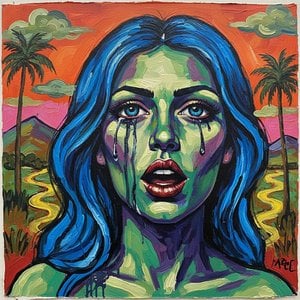
Embark on a journey through the vibrant world of Fauvism. Discover how masters like Henri Matisse revolutionized art through bold colors and raw emotion in this expert-led guide to one of modern art's most powerful movements.

Explore the vibrant world of Fauvism with our expert guide. Discover how Matisse and Derain revolutionized art through bold colors and expressive strokes. Perfect for classic art enthusiasts seeking to deepen their passion for modern masterpieces.

 معاينة الحجم الحقيقي
 مشاركة
 مشاركة
 التفاصيل

 تحميل الملف
 قطع مشابهة
 الأشعة السينية
 عرض شرائح
 عرض المزيد







 خيار الزجاج متاح فقط للمقاسات التي تقل عن 110 سم


