


x


 شراء نسخة مطبوعة اطلب نسخة مرسومة يدوياً
 مشاركة
 التفاصيل
 أضف إلى المفضلة
 تحميل الملف
 قطع مشابهة
 الأشعة السينية
 عرض شرائح
 Abstract Expressionism
 1992
1992 229.0 x 282.0 cm
احصل على صورة رقمية عالية الدقة ومعزّنة، بجودة تفوق بكثير المعاينة عبر الإنترنت.
يتم إعداد كل ملف بعناية فائقة من قبل متخصصينا الداخليين باستخدام أدوات متقدمة ولمسات يدوية خبيرة. نضمن أن تتمتع كل صورة بوضوح استثنائي، ودقة لونية متناهية، وتفاصيل دقيقة.
يتم تسليم الملف النهائي عبر البريد الإلكتروني في غضون 72 ساعة، وهو مُحسَّن للاستخدام الفوري في المجالات المهنية والتحريرية ومجالات الطباعة. هذه هي ذات الجودة التي تعتمد عليها كبرى استوديوهات التصميم ودور النشر والمعارض الفنية المرموقة.
حمّل ملفاً عالي الدقة للعرض الشخصي، والطباعة، والمشاريع الإبداعية.
عندما تختار WahooArt.com، فأنت لا تحصل على مجرد صورة فحسب، بل ستحصل على عمل فني رقمي مُحسّن باحترافية، صُمم بدقة متناهية ومصحوب بضمان الرضا. إليك كل ما يتضمنه طلبك تلقائياً:

ستصلك ملفات صورك الرقمية عالية الدقة عبر البريد الإلكتروني في غضون 72 ساعة من إتمام الطلب - لتكون جاهزة للاستخدام الفوري.

يتم تحسين عملك الفني باحترافية باستخدام أدوات الذكاء الاصطناعي المتقدمة والتحرير اليدوي، لضمان أقصى درجات التفاصيل والوضوح ودقة الألوان.

هل حذفت ملفك أو فقدته عن طريق الخطأ؟ لا تقلق - سنعيد إرساله إليك في أي وقت، ومجاناً.

استمتع بأعمالك الفنية فوراً دون أي رسوم جمركية أو ضرائب أو مصاريف شحن - فالتحميلات الرقمية دائماً ما تكون معفاة من الضرائب.

نحن نضمن أن تعكس صورتك الرقمية الألوان الأصلية بأقصى قدر ممكن من الدقة، وذلك باستخدام أدوات احترافية وتقنيات إدارة الألوان.

إذا لم تكن راضياً عن صورتك الرقمية، فسنقوم بتعديلها أو استرداد 100% من قيمتها خلال 60 يوماً - دون أي أسئلة.

لم تكن راضياً؟ احصل على استرداد كامل المبلغ خلال 60 يومًا من استلام ملفك الرقمي - دون أي أسئلة.

اشتري 3 صور، ووفر 10% - اشتري 5، ووفر 15% - اشتري +10، ووفر 20%. مثالية للمشاريع الإبداعية، والمعارض، والوكالات.


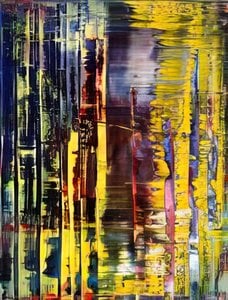


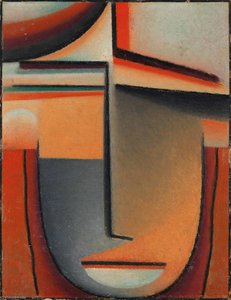

Gary Wragg, born in High Wycombe, Buckinghamshire in 1946, embarked on a journey of artistic exploration that would firmly establish him as a significant figure within British abstract painting. His formative years were steeped in the study of art, beginning at the High Wycombe School of Art from 1962 to 1966. This initial period provided a crucial grounding, but it was his subsequent move to London—and enrollment at both Camberwell School of Arts and Crafts (1966-1969) and the prestigious Slade School of Fine Art (1969-1971)—that truly ignited his artistic development. These institutions fostered a rigorous approach to technique and conceptual thinking, laying the groundwork for the large-scale abstract works that would become his signature.
A pivotal moment in Wragg’s early career came with a 1968 Rotary Travelling Gift to Italy and Lord Carron Prize, followed by the Boise Travelling Scholarship to America and Mexico in 1972. These experiences were transformative, exposing him to diverse cultural landscapes and broadening his artistic horizons. Crucially, these travels facilitated direct engagement with American art, notably through visits to Jack Tworkov in 1970 and 1974, and later, Willem de Kooning in New York in 1985. These encounters proved deeply influential, shaping his understanding of abstraction and its expressive potential.
Wragg’s artistic language evolved through a process of continuous experimentation and refinement. While rooted in the traditions of post-war abstraction, he sought to forge a distinctly personal visual vocabulary. His early works demonstrated a sensitivity to color and form, gradually moving towards larger canvases that prioritized spatial relationships and gestural mark-making. The influence of American Abstract Expressionism is palpable, yet Wragg never simply imitated; instead, he absorbed these lessons and translated them into a uniquely British sensibility.
The 1970s saw Wragg gaining recognition within the London art scene. A major Arts Council grant in 1975, followed by one from the London Arts Association in 1978, provided crucial support for his studio practice. His first solo show at the Acme Gallery in 1979 garnered positive reviews in publications like The Observer and New Statesman, establishing him as a rising talent. Throughout the 1980s and 1990s, he maintained a consistent exhibition schedule with galleries such as Nicola Jacobs and Flowers, solidifying his reputation among collectors and critics.
Beyond the direct impact of American Abstract Expressionists like Tworkov and de Kooning, Wragg’s work reveals a broader engagement with Eastern philosophy. His long-standing practice of Tai Chi Ch'uan—a Chinese martial art—became deeply intertwined with his painting process. The principles of balance, fluidity, and internal energy inherent in Tai Chi found expression in the dynamic compositions and gestural brushwork of his canvases.
As Sarah Kent observed in *Time Out* in 1983, Wragg’s large terracotta canvases possessed a unique quality: “Sketchy areas of black, white and grey create ambiguously transparent readings of space while chalk and paint lines suggest diagrammatic representations – perhaps of Tai Chi movements.” This observation highlights the symbiotic relationship between his artistic practice and his philosophical pursuits. He wasn't merely depicting abstract forms; he was attempting to visualize internal states and energetic flows.
Gary Wragg’s career has been marked by consistent critical acclaim and inclusion in significant group exhibitions, including *British Painting 1952–77* at the Royal Academy (1977) and the Sydney Biennale (1982). His work also appeared in the RA Summer Exhibition and the John Moores Exhibition in Liverpool on multiple occasions. Becoming a member of The London Group in 1990 further cemented his position within the British art establishment.
More recently, solo exhibitions at Clifford Chance, Alan Wheatley Art, and The Nine British Art have demonstrated continued interest in his work. A retrospective exhibition, *Motion & Stillness 1963-2018*, held at the Lanchester Research Gallery in Coventry (2019), offered a comprehensive overview of his artistic journey, tracing the evolution of his abstract language over decades.
Wragg’s historical significance lies in his ability to synthesize diverse influences—from American Abstract Expressionism to Eastern philosophy—into a uniquely personal and compelling body of work. He represents a vital strand within British abstraction, demonstrating a commitment to formal exploration and expressive power. His paintings are held in major public collections worldwide, including the Arts Council Collection and the Pompidou Centre in Paris, ensuring his legacy for generations to come.


ابقَ على اطلاع بأحدث أخبار الفن، والعروض الحصرية، وأفكار الديكور.
أخبرنا عن مشروعك، وسيقدم لك خبراؤنا الفنيون 3 اقتراحات فنية مخصصة لك.
دعنا نختار لك ٣ خيارات مخصصة تماماً - مجاناً!
 مشاركة

 عرض المزيد


