


لوحة زيتية مرسومة يدوياً على الكانفاس بالمقاس والإطار الذي تفضله، تُنفذ حسب الطلب على أيدي فنانينا. ( اشترِ نسخة مطبوعة اشترِ الصورة)





























اختر من بين أحجامنا المُعدّة مسبقًا والتي تتطابق مع النسب الأصلية للعمل الفني.

يمكنك إدخال أبعادك الخاصة لتناسب إطارًا معينًا أو مساحة محددة. وإذا لم يتطابق الحجم الذي اخترته مع نسب الصورة الأصلية، فسنقوم إما بقص العمل الفني أو توسيع اللوحة بإضافة عناصر مرسومة يدويًا. سيتم إرسال نموذج رقمي إليك للموافقة عليه قبل بدء الإنتاج.
يرجى ملاحظة أن المعاينة على الشاشة لا تعكس عملية القص أو التوسيع الفعلية؛ حيث إن النموذج الرقمي وحده هو الذي سيوضح التكوين النهائي بدقة.
وعلى الرغم من توفر أحجام مخصصة، إلا أننا نوصي باختيار أبعاد من القائمة المحددة مسبقًا للحفاظ على النسب الأصلية للعمل الفني.
توصيل عالمي إلى خلال 3 إلى 4 أسابيع بدلاً من المدة المعتادة البالغة 5 أسابيع. (6 سبتمبر). جودة لا تهاون فيها.


Seated Woman with Child
مقاس النسخة المطبوعة
Amedeo Modigliani's "Seated Woman with Child," painted in 1919, isn’t merely a depiction of motherhood; it’s a profound meditation on longing, vulnerability, and the quiet dignity of domestic life. This intimate portrait, rendered in oil on canvas, captures a moment suspended in time – a woman cradling her child within the muted embrace of a simple red background. The painting immediately draws the viewer into its world, offering a glimpse of a private scene imbued with an undeniable sense of melancholy, a hallmark of Modigliani’s artistic vision.
The woman herself is presented with a striking simplicity. Her posture is relaxed yet alert, her gaze directed slightly downward, suggesting introspection rather than outward engagement. The green coat, subtly checkered, hints at a modest lifestyle, while the scarf around her neck adds a layer of understated elegance. Her elongated features – a signature element of Modigliani’s style – contribute to an air of timelessness and quiet sorrow. The child, swathed in white, embodies innocence and vulnerability, their small hands resting gently on the woman's lap. It is this juxtaposition—the mature figure and the youthful one—that fuels the painting’s emotional resonance.
Modigliani’s artistic language during this period was deeply influenced by his personal experiences – a life marked by illness, loss, and unrequited love. His style is characterized by elongated forms, particularly in the faces and necks of his subjects, creating an effect of both elegance and distortion. This deliberate exaggeration isn't merely stylistic; it’s believed to reflect Modigliani’s own perception of beauty – a heightened awareness of fragility and the fleeting nature of existence. The use of muted tones—primarily greens, reds, and browns—further enhances this sense of introspection and subdued emotion.
Technically, the painting demonstrates a masterful control of brushwork. Notice how Modigliani employs short, broken strokes to build up form and texture, particularly in the woman’s coat and scarf. The red background isn't simply a backdrop; it’s strategically employed to create depth and contrast, drawing attention to the figures within and lending a sense of drama to the scene. The subtle gradations of color – from the deep reds to the softer greens – contribute to the painting’s overall atmospheric quality.
“Seated Woman with Child” was created during a pivotal period in Modigliani’s career. He had recently moved to Paris, immersing himself in the vibrant artistic community of Montparnasse. This era saw him engaging with fellow artists like Pablo Picasso and Constantin Brâncuși, absorbing influences from Cubism and other avant-garde movements while simultaneously forging his own distinctive style. His personal life was equally turbulent; he struggled with poverty, illness, and a passionate but ultimately tragic love affair with Jeanne Hébert.
The painting’s emotional depth is inextricably linked to this context. It's often interpreted as reflecting Modigliani’s own feelings of isolation and longing – a yearning for connection and stability amidst the chaos of his life. The image resonates with the broader themes of domesticity, motherhood, and the quiet beauty found in everyday moments, yet it carries an undercurrent of sadness that speaks to the artist's personal struggles.
Beyond its technical brilliance, “Seated Woman with Child” is rich in symbolism. The red background, often associated with passion and sacrifice, could represent the emotional cost of motherhood or the challenges faced by a woman navigating difficult circumstances. The child’s innocence serves as a poignant counterpoint to the woman's melancholy, highlighting the enduring hope for the future despite present hardships. The elongated forms, characteristic of Modigliani’s style, can be seen as metaphors for the human desire for transcendence – a yearning to escape the limitations of earthly existence.
Ultimately, “Seated Woman with Child” is a deeply moving work that invites contemplation and emotional engagement. It's a testament to Modigliani’s ability to capture not just the outward appearance of his subjects but also their inner lives – their hopes, fears, and vulnerabilities. A hand-painted reproduction offers an unparalleled opportunity to experience this masterpiece in its full glory, bringing its poignant beauty into your home.

في قلب باريس النابض بالحياة في أوائل القرن العشرين، سطع نجم أمديو موديجلياني، الفنان الإيطالي الذي ترك بصمة لا تُمحى على عالم الفن. لم يكن مجرد رسام ونحات، بل كان شاعرًا بالوحدة والجمال الحزين، عبّر عن مشاعره وآلامه من خلال لوحاته ورسومه التي تميزت بتعابير وجهودها الفريدة. ولد موديجلياني في ليفورنو بإيطاليا عام 1884، وشق طريقه نحو باريس، المدينة التي أصبحت ملجأً له ومصدر إلهام لا ينضب.
نشأته الأولى كانت مليئة بالتحديات والصعوبات. فقد عانى من أمراض مزمنة منذ صغره، وتدهورت الحالة المالية لعائلته، مما اضطره إلى مواجهة الفقر والحرمان. ومع ذلك، لم تدع هذه الظروف تثبط عزيمته الفنية. بل على العكس، أثارت فيه تلك المعاناة حساسية خاصة تجاه مشاعر الآخرين، انعكست في أعماله التي تميزت بالعمق النفسي والتعبير عن الحزن والوحدة.
في بداية مسيرته الفنية، تأثر موديجلياني بالعديد من الفنانين والحركات الفنية. درس فنون عصر النهضة الإيطالية، واستلهم من أعمال ليوناردو دا فينشي وميكيلانجيلو وتيتيان وكارافاجيو. كما تأثر بالفن الأفريقي والمنحوتات القديمة، مما أدى إلى تطوير أسلوبه الخاص الذي تميز بتجريد الأشكال وإطالة الوجوه والأعناق. لم يلتزم موديجلياني بأي حركة فنية محددة، بل سعى إلى خلق أسلوب فريد يعبر عن رؤيته الخاصة للعالم.
تميزت لوحاته بالبساطة والهدوء، واستخدم الألوان الزاهية لخلق جو من الحميمية والدفء. رسم العديد من البورتريهات التي تعتبر من أفضل أعماله، حيث تمكن من التقاط الجوهر الداخلي لشخصياته وإبراز تعابير وجوههم بطريقة فريدة. كما رسم العديد من اللوحات العارية التي أثارت جدلاً واسعاً في ذلك الوقت، ولكنها اليوم تعتبر من أهم أعماله وأكثرها شهرة.
لم يقتصر إبداع موديجلياني على الرسم فحسب، بل امتد ليشمل النحت. قام بنحت العديد من الرؤوس والأشكال المجردة التي تعكس أسلوبه الخاص في التعبير عن الجمال. كانت منحوتاته مستوحاة من الفن الأفريقي والمنحوتات القديمة، وتميزت بالبساطة والتجريد. على الرغم من أن منحوتاته لم تحظَ بنفس القدر من الشهرة التي حظيت بها لوحاته خلال حياته، إلا أنها تعتبر اليوم جزءاً هاماً من إرثه الفني.
كان موديجلياني فناناً متعدد المواهب، استطاع أن يجمع بين الرسم والنحت بطريقة فريدة. كان يتمتع بقدرة فنية فائقة على التقاط الجمال في أبسط صوره، والتعبير عن المشاعر والأحاسيس بعمق وصدق.
لم تخل حياة موديجلياني من الدراما والمآسي. فقد عانى من الفقر والمرض والإدمان، كما واجه صعوبات في علاقته مع حبيبته الفنانة جان هبوتيرن. كانت جان مصدر إلهام له ومصدر سعادة له، ولكن علاقتهما كانت مليئة بالصراعات والشكوك. توفيت جان بعد فترة قصيرة من ولادة ابنتهما جياننا، مما أدى إلى انتحارها. شعر موديجلياني بالحزن الشديد والفقدان العميق، وتوفي بعد ذلك بوقت قصير بسبب مرض السل.
على الرغم من أن موديجلياني لم يحظَ بالتقدير الكافي خلال حياته، إلا أن أعماله أصبحت تحظى بشهرة عالمية واسعة النطاق بعد وفاته. تعتبر لوحاته ومنحوتاته من أهم الأعمال الفنية في القرن العشرين، وقد ألهمت العديد من الفنانين حول العالم. يتميز أسلوبه بالبساطة والجمال الحزين والتعبير عن المشاعر الإنسانية بعمق وصدق. موديجلياني هو فنان لا يُنسى، سيظل إرثه يتردد صداه في عالم الفن.

1884 - 1920 , إيطاليا
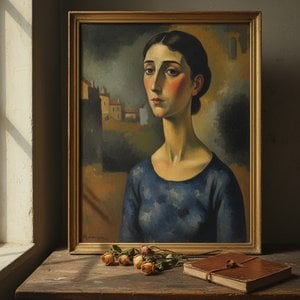
Delve into the haunting beauty of Amedeo Modigliani's portraits. Explore the intersection of Expressionism and Modernism through an expert analysis of his iconic elongated forms, melancholic gazes, and profound influence on art history.

Discover the profound beauty of Modigliani-style art. Explore the elegance of elongated forms and soulful portraits through our expert curation of hand-painted oil reproductions and museum-quality prints designed for the sophisticated collector.

Explore the profound beauty of the Italian Renaissance. From Raphael's divine frescoes to Michelangelo's anatomical mastery, discover how this era of classical grandeur and humanistic ideals continues to inspire the world's most sophisticated art collectors and designers.

Embark on a visual journey through Italy's most iconic landscapes and Renaissance masterpieces. Discover the profound beauty of classical art, from Venetian altarpieces to serene countryside vistas, curated for the discerning art enthusiast and collector.

 معاينة الحجم الحقيقي
 مشاركة
 مشاركة
 التفاصيل

 تحميل الملف
 قطع مشابهة
 الأشعة السينية
 عرض شرائح
 عرض المزيد







 خيار الزجاج متاح فقط للمقاسات التي تقل عن 110 سم


